Exploring Cape Town: Accommodation, Attractions and Practical Planning Tips
Cape Town blends dramatic natural scenery with a vibrant mix of neighbourhoods, making it an ideal destination for a stay that combines comfort, culture and easy access to the surrounding countryside. From the iconic V&A Waterfront to the leafy hills of Constantia, visitors can tailor their booking to suit a slower, relaxed break or a more active exploration. When planning where to stay, consider how you want to structure your days, what transport you are happy to use, and which views or quiet moments you most want to enjoy after a day of sightseeing.
One core decision is choosing the right area. The city centre and the central business district offer easy access to museums, markets and historic architecture, with a buzzing dining and nightlife scene. Seaside districts along the Atlantic Seaboard provide dramatic ocean views, promenade strolls and stylish boutique stays, often with quick access to beaches and harbours. Constantia, perched in the wine-country foothills just beyond the city bowl, provides a tranquil alternative with leafy streets, verdant gardens and a sense of countryside within a short drive of the city’s major attractions. Each area has a distinct rhythm, so it helps to map out your activities first—whether you plan day trips to the Cape Peninsula, wine estates, or Table Mountain—and choose a base that reduces daily travel time.
When booking accommodation, typical amenities to look for include reliable Wi‑Fi, secure parking if you’re driving, and generous communal spaces that let you unwind after a day of exploring. Many guesthouses, boutique hotels and lodges offer breakfast as part of the stay, which can simplify mornings during busy itineraries. If you prefer self‑catering options, some locations provide kitchen facilities or even in‑suite kitchenettes, which can be convenient for families or longer visits. Consider access to public transport routes or easy taxi and rideshare options, particularly if you plan to visit the city’s top sights in a single day and want to avoid parking challenges in busy districts.
Transport in Cape Town is generally straightforward, though driving can be tricky during peak hours and in busy districts. Consider staying within or near zones with good access to major routes, or choose accommodation with staff who can assist with arranged transfers or recommended local transport. If you enjoy scenic routes, a hotel or guesthouse with proximity to the Atlantic coastline or Table Mountain viewpoints can make morning or late afternoon explorations especially rewarding. For longer trips into the wine country or the Cape Peninsula, a property that can help arrange guided tours or provide trusted driver recommendations can be particularly valuable.
The best time to visit Cape Town depends on your priorities. The warm, dry months of late spring to early autumn (roughly September to April) are ideal for outdoor activities, coastal walks, and long days of sun. Winter brings milder, wet weather, which can be a good time for indoor experiences, museums, markets and tasting rooms, with the caveat of cooler evenings. Spring and autumn offer a balance of pleasant temperatures and manageable crowds, making shoulder seasons appealing for those who want a more relaxed pace and greater availability of accommodation options.
When exploring attractions, plan a mix of natural scenery, cultural experiences and foodie moments. Iconic landscapes such as mountain viewpoints, coastal ferries, and protected nature reserves sit alongside museums, galleries and historic sites. Dining in Cape Town ranges from casual bistros and harbour-side eateries to fine dining rooms, often focusing on fresh seafood, regional produce and multicultural influences. Rather than pinning exact restaurant names here, look for venues that showcase seasonal menus, showcase South African ingredients, and offer friendly service with good accessibility. In general, try to leave some flexibility in your plans to accommodate weather changes or newly opened venues.
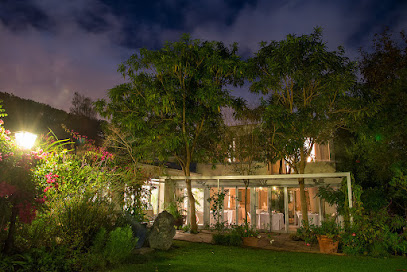
As a case study in accommodation type, consider a boutique hotel with a reputation for personalised service and a well‑designed, comfortable room. For example, a property such as The Last Word Constantia emphasises a stylish, intimate experience set within a peaceful neighbourhood. Such establishments typically offer well‑appointed rooms, dedicated guest areas, and the convenience of high‑quality in‑house facilities. You can learn more about options like this by visiting the establishment’s website: The Last Word Constantia.
Practical tips to help you plan a smoother stay:
- Book in advance for popular periods, particularly around public holidays and school holidays, to secure the best choice of rooms and durations.
- Check accessibility and transport details, including parking availability, proximity to MyCiTi or other bus routes, and the ease of reaching Table Mountain or coastal drives.
- Make a rough daily plan but stay flexible for weather, traffic, or serendipitous encounters at markets and street cafés.
- Pack layers for varying conditions—Cape Town can be sunny and warm by day and cooler by evening or in higher elevations.
- Consider combining a city stay with at least one day in the winelands or along the False Bay coast to experience a broader range of what the region offers.
Finally, balance is key. A well‑chosen base in Cape Town allows you to enjoy both the city’s cosmopolitan energy and the natural beauty that surrounds it. With thoughtful planning, you can craft a stay that feels relaxed yet richly rewarding, leaving you with lasting memories of mountains, sea views, vibrant markets and a flavourful culinary scene.