Accommodating Cape Town: where to stay and what to do
Cape Town, set against a dramatic backdrop of ocean, mountains and rich neighbourhoods, offers a wide range of places to lay your head after a day of exploring. From intimate guesthouses and BnBs to stylish boutique hotels and self‑catering lodges, the city provides options that suit varied budgets, moods and travel rhythms. A stay centred around a well‑chosen neighbourhood can dramatically enhance your experience, with ease of access to beaches, markets, and world‑class eateries.
When planning your stay, it helps to think about what you want to prioritise. Do you seek a buzzy urban feel with easy access to nightlife and cafés, a tranquil retreat with mountain views, or a family‑friendly base close to beaches and activities? In Cape Town, you can often find establishments that blend comfort with local character, sometimes housed in historical buildings or modern, light‑filled spaces with thoughtful design. Many properties offer extras such as curated local itineraries, breakfast options, and recommendations for day trips. For travellers who value privacy and flexibility, self‑catering flats and cottages are commonly available in suburban and coastal neighbourhoods.
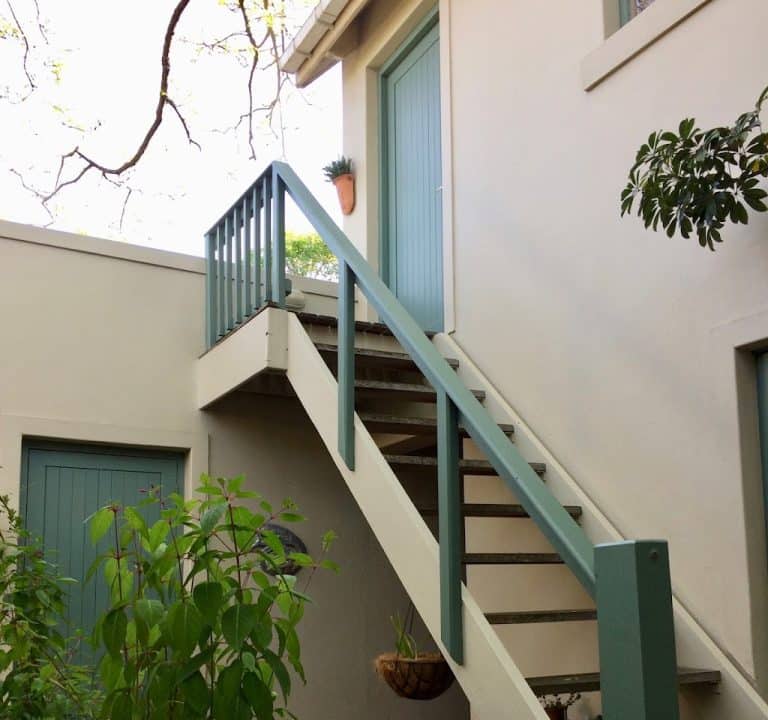
Rosewood Guest Cottage, for example, sits within a central setting that can provide convenient access to key sights and dining options. While the specific offerings vary, many similar properties emphasise warm hospitality, comfortable rooms, and an emphasis on guest convenience. When selecting accommodation, consider what matters most to you: uninterrupted security and privacy, parking, in‑suite amenities, or access to shared facilities such as lounges and kitchens.
Areas to consider include the following, each with its own character and proximity to attractions:
- V&A Waterfront and the harbour area for easy access to waterfront walks, ferry trips and city sights.
- Observatory and the Southern Suburbs for a laid‑back, resident feel and proximity to Table Mountain viewpoints.
- City Bowl and the central plateau for convenient access to museums, galleries, markets and a wide array of dining options.
- Atlantic Seaboard (Camps Bay, Clifton, Sea Point) for beachside stays, long walks along the promenade and dramatic ocean scenery.
- Green Point and the Cape Town suburbs beyond for a mix of green spaces, cafés and easy access to Table Mountain via cable car or hiking routes.
Typical amenities you might expect to guide your choice include free Wi‑Fi, breakfast options, air conditioning or heating, on‑site parking or easy alternatives, and daily housekeeping. Some boutique properties offer extra touches such as curated wine tastings, private terraces, or guest lounges with reading corners and coffee stations. For families or travel groups, look for multiple bedrooms, kitchen facilities, and larger living spaces. If accessibility is important, check for lifts, ground‑floor rooms, and well‑lit routes between entrances and rooms.
Transport in Cape Town is fairly straightforward but varies by area. The MyCiTi bus network provides a reliable public option across many routes, while Uber and other ride‑hailing services are widely used for shorter hops and late‑night returns. A rental car offers maximum flexibility for day trips to the Cape Peninsula, penguin colonies at Boulders Beach, or winelands beyond the city. If you plan to hike, reserve a parking spot near popular trailheads or arrange a booking with a property that offers guidance on safe, well‑marked routes. Some areas are best explored on foot or by short rides, and many guesthouses and hotels can assist with directions, maps, and suggested day itineraries.
Seasonality shapes what you can expect. Cape Town enjoys dry, mild springs and summers, with peak tourist crowds between December and March. Shoulder seasons in late spring (October to November) and autumn (March to May) can deliver quieter streets, pleasant walks, and often better value on accommodation. If your interests lie in outdoor activities, plan for morning or late‑afternoon sessions when conditions are ideal for Table Mountain, Table Bay views, or the winelands just beyond the city bowl.
Planning practicalities can help you unlock the best experiences. Consider how far your accommodation is from the attractions you want to visit and whether you’ll rely on public transport, rideshares, or private transfers. Check whether the property offers guidance on day trips or professional tours, such as a coastal drive along the Atlantic Seaboard, a visit to the historic Robben Island ferry route, or a scenic drive to the Cape Peninsula's dramatic viewpoints. Pack layers for rapid weather changes: coastal winds can be cooler than inland temperatures, even in summer.
Regarding dining and local experiences, Cape Town’s restaurant scene ranges from casual market stalls and beachside cafés to refined tasting menus and Afro‑fusion eateries. Rather than fixed itineraries, allow some flexibility to explore local favourites after a day of sightseeing. Markets, street food hubs, and neighbourhood cafés often showcase the city’s diverse influences while giving you a sense of daily life beyond the main tourist sites. If you’re seeking guided experiences, look for operators who offer reputable, small‑group outings—perhaps a wine tour from the winelands, a coastal wildlife excursion, or a guided hike with safe, well‑prepared routes. Always read recent guest reviews and check what is included in any activity before booking.
To help you plan, start with a credible official resource for Cape Town’s welcome and orientation, and then tailor your stay to fit your pace and interests. You can find practical travel ideas, seasonal advice, and general recommendations from reputable tourism platforms and local authorities. For inspiration and current information, explore the official tourism pages and local city guides, which offer maps, neighbourhood highlights, and suggested itineraries. Remember to book accommodation with cancellation flexibility when possible, and keep a small travel plan that prioritises your must‑see sites and must‑eat meals during your stay.
In short, Cape Town can be enjoyed as a compact, walkable city with a rich tapestry of neighbourhoods and a wide spectrum of places to stay. By choosing a suitable area, understanding what each property offers, and pairing your visit with a few well‑placed experiences, you can craft a memorable, smoothly navigated stay in this vibrant South African destination. For more ideas and planning tips, visit the official tourism site and related travel resources.