Accommodation and Getting the Most from a Stay in De Rust, Western Cape
De Rust, nestled in the Klein Karoo of the Western Cape, offers a relaxed base from which to explore rolling landscapes, pearly river views and the slow pace of provincial life. The village is characterised by small, intimate places to stay, ranging from self-catering cottages to guesthouses and boutique lodges. Planning a visit here means weighing comfort, location and access to the surrounding attractions, while leaving space for the quiet, starlit evenings that define De Rust.
When choosing where to stay, consider how you want to structure your days. Self-catering options are popular for travellers who enjoy flexibility—morning coffee on a sunlit patio, a relaxed breakfast, and the freedom to dine in or out as you please. Guesthouses and small hotels offer a cushions-and-pillows approach to comfort: well-appointed rooms, linen, and daily housekeeping can make a break feel easy and unfussily luxurious. Look for properties that emphasise a home-from-home ambience, with comfortable living spaces, reliable heat or air conditioning, and antimicrobial cleaning practices if you’re mindful of hygiene. If you’re visiting during harvest or peak travel periods, book sooner rather than later because De Rust’s popularity tends to surge when the weather is mild and the countryside is at its best.
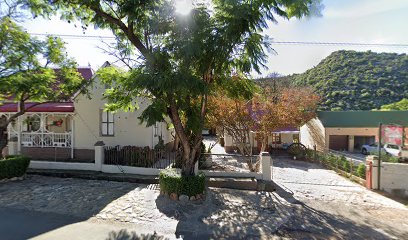
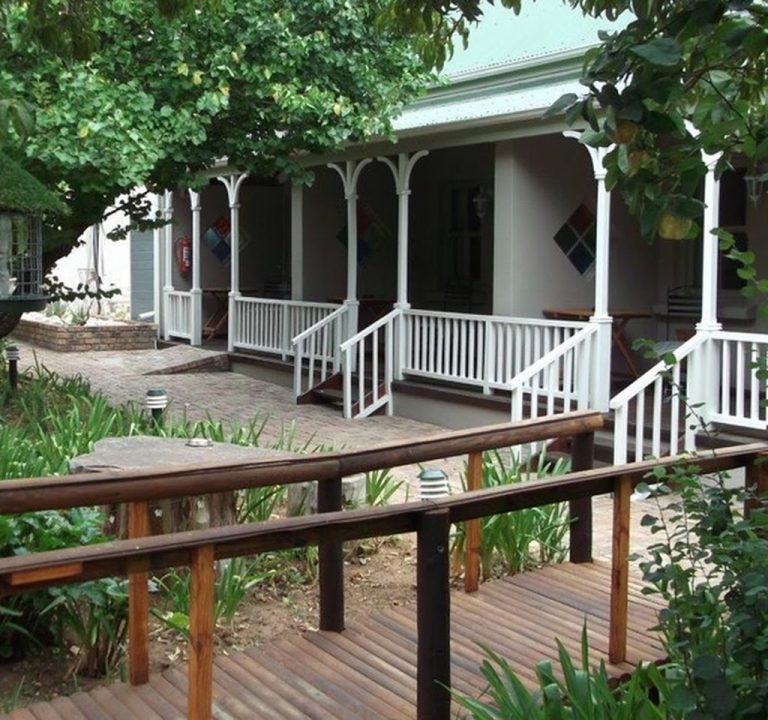
Key areas to consider within and around De Rust include the village core, which is compact and walkable, and the surrounding countryside, where many self-catering options sit on larger plots with gardens, verandas and views of the fynbos and the river. If you’re after a sense of seclusion, look for properties that sit a short distance from the main route, yet remain easy to reach by car. Accessibility to local attractions and dining venues is worth weighing up: some guests prefer being within a short stroll of a couple of eateries, while others enjoy a longer scenic drive to a wider range of dining options or trails.
Typical amenities to expect include well-equipped kitchens or kitchenettes, comfortable living spaces, and private or semi-private outdoor areas. Many properties offer free on-site parking, and some may include features such as fireplaces or energy-efficient heating for cooler evenings. Wi-Fi is commonly available, though speeds can vary in rural parts of the Karoo, so it’s wise to manage expectations if you need to work remotely. Household essentials—fresh linen, towels, and basic cookware—are standard, and sunny courtyards or patios often become the focal point for relaxed meals and evenings under the stars.
Transport in and around De Rust is straightforward by car. Roads are generally well maintained, but a light, high-clearance vehicle can be helpful for accessing some farms or off-road trails in the surrounding hills. If you’re arriving by air, the closest major hubs offer car hire or private transfer options to the village. Within De Rust, a short drive will connect you to nearby farms for day trips, gentle hikes, or scenic drives through rolling farmland. For those who enjoy cycling, the area is pleasantly quiet and offers routes that combine countryside views with gentle gradients.
Best time to visit De Rust depends on your priorities. Spring and autumn bring mild temperatures and striking landscapes as wildflowers bloom or the bushveld takes on rich colours. Summer offers warm days with cooler evenings, ideal for outdoor meals and alfresco activities by the river. Winter days can be crisp and quieter, which some travellers appreciate for a calmer, slower pace. If you’re planning outdoor activities such as walks or short hikes, check local weather patterns and plan flexible days to avoid the occasional downpour.
Practical tips for planning a stay in De Rust:
- Book ahead if you have particular dietary needs or require specific amenities (for example, a separate kitchen space, a bath, or accessible facilities).
- Clarify check-in and check-out times, as rural properties can have flexible arrangements that suit slow mornings and long evenings.
- Ask about local self-guided trails, viewpoints, and safe parking near the accommodation so you can plan daily itineraries with ease.
- Check whether the property offers laundry facilities if you’re on a longer trip or combining business with leisure.
- Take advantage of any on-site or nearby quiet cafés and eateries for relaxed lunches and dinners—De Rust is known for its intimate food scenes and farm-to-table vibes, often with ingredients sourced close to hand.
In terms of activities, De Rust provides a tranquil gateway to the broader Western Cape’s landscape. Expect opportunities for scenic drives, short walks or hikes along riverbanks, and slow days punctuated by good village hospitality. While it’s wise to keep expectations modest—De Rust is not a crowd-centred resort town—visitors typically find a gentle rhythm that invites longer stays. When it comes to dining, many local experiences emphasise seasonal produce and modest, comforting dishes; slice-of-life meals in small eateries or guesthouse dining rooms are common, with menus that reflect the surrounding farms and markets.
For further inspiration and planning, consult regional tourism resources and the official Western Cape tourism sites. These can provide practical maps, suggested itineraries, and occasional event calendars to help shape your visit. A well-planned stay in De Rust can be about more than a place to sleep: it can be a pause in a journey, a chance to savour the countryside, and a mindful opportunity to reconnect with nature, food, and small-town charm. To start planning, you can explore general travel information and visitor resources online, including local travel guides and official tourism portals.