De Rust: A Planning Guide for a Relaxed South African Stay
De Rust, tucked in the scenic Little Karoo of the Western Cape, offers a quintessential countryside escape with easy access to nature, heritage routes and thoughtful hospitality. When planning a visit, travellers typically weigh both the intimate charm of guesthouses and the self-contained comfort of lodges, all set against rolling vineyards, dramatic mountain scenery and Karoo light. The key to a satisfying stay is choosing a base and pace that suits your interests, whether you are tracing peaceful trails, enjoying a slow meal at understated taverns, or simply unwinding in a quiet garden setting after a day of exploring the region.
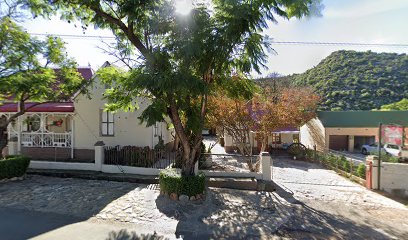
Where to stay matters as much as what you do. De Rust centres around a handful of welcoming streets, with a mix of B&Bs, guesthouses and small lodges clustered near the main routes and river valleys. When selecting accommodation, consider the following:
- Proximity to anchor sights and trails: a short drive to Meiringspoort, Swartberg Pass or the nearby nature reserves can save time for day strolls and photography.
- Room configuration and privacy: many properties offer intimate suites, self-contained cottages or stacked rooms that suit couples, families or groups.
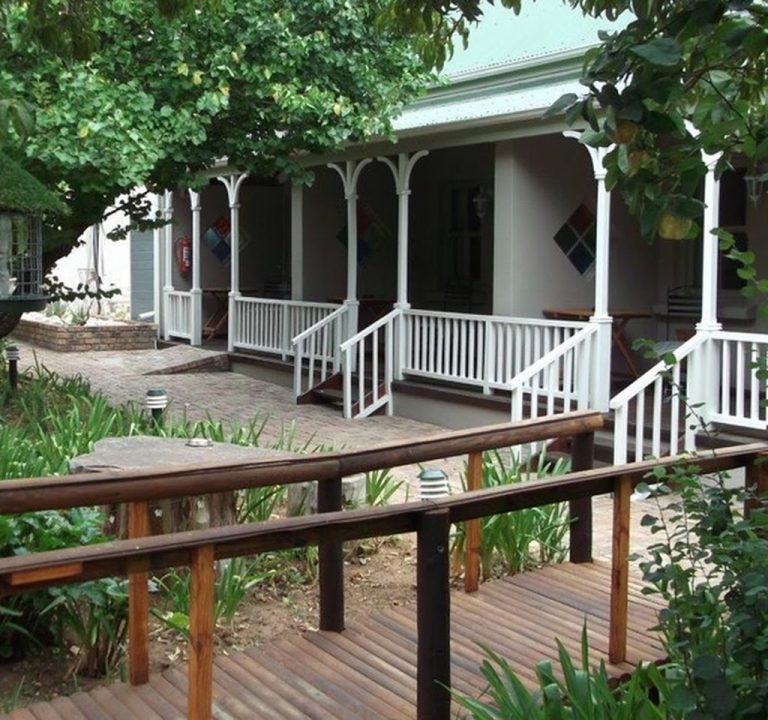
- Outdoor space and seclusion: a garden, veranda or shared courtyard can enhance the sense of space and outdoor enjoyment, especially in favourable weather.
- Heating and ventilation: Karoo evenings can be cool, so look for well-insulated rooms and, if possible, fireplaces or efficient heating.
- Self-catering options: some stays provide kitchen facilities or braai areas, which can be convenient for longer visits or for those who prefer private meals.
Typical amenities you may encounter include private or en-suite bathrooms, comfortable bedding, Wi-Fi access, secure parking, and thoughtful touches such as local chocolates, fire pits for cool evenings, and recommendations for hidden trails. Breakfast is a common highlight in many guesthouses and B&Bs, ranging from hearty, home-cooked spreads to lighter continental options. If you value in-room coffee, a fridge for snacks, or a small lounge area, check these details in advance as they vary by property.
Transportation in and around De Rust benefits from flexibility. The village is suited to a relaxed, slow-paced itinerary, but having a car is typically essential to reach Meiringspoort, lookouts, and country lanes at your preferred times. Some properties arrange transfers or can help with local information, but it is wise to confirm parking arrangements and accessibility for drivers or guests with mobility needs. The surrounding road network offers a scenic driving experience, with opportunities to stop at viewpoints and small farms along the way.
Best time to visit De Rust hinges on your preferred climate and activities. Spring and autumn bring mild temperatures and vibrant colours in the landscape, ideal for hiking and photography. Summer offers longer days for outdoor exploration, but can be hotter, so plan outdoor activities for the morning and late afternoon. Winter is cooler and quieter, which can enhance the sense of solitude, though some outdoor options may be more limited by weather. Pack layers, a hat for sun protection, and a dependable camera to capture the Karoo’s evolving light. If you’re keen on stargazing, the clear skies often deliver excellent night views, especially away from any light pollution near the town.
When it comes to planning activities, De Rust serves as a gateway rather than a theme park. You will find a restful atmosphere that supports leisurely exploration, with opportunities to discover local farms, short scenic walks, and vehicle-based excursions through the surrounding valleys. In addition to nature experiences, you can enjoy strolls in the village, where farms and residences share a sense of history and quiet hospitality. For a balanced itinerary, mix a couple of longer day trips with restful mornings or afternoons at your accommodation, leaving space for incidental discoveries along the way.
For those seeking variety in dining and casual entertainment, local options generally prioritise fresh, regional ingredients and uncomplicated menus. Expect unpretentious eateries and coffee houses where the focus is on good ingredients and a relaxed atmosphere. If you prefer to plan ahead, some properties provide guidance on current seasonal offerings or nearby cafés and bistros, along with suggested routes that avoid busy traffic while still delivering memorable scenery.
Practical planning tips to remember when booking a stay in De Rust:
- Book early during peak seasons, especially in spring and autumn when the weather is most forgiving for outdoor pursuits.
- Ask about accessibility and parking, particularly if you will be exploring with a vehicle or require step-free access.
- Clarify breakfast arrangements and any inclusions such as self-catering facilities or braai setups for evenings in.
- Check distance estimates to Meiringspoort, Swartberg Pass and preferred trails to tailor each day’s pace.
- Review cancellation policies and payment terms so you can adjust plans without concern if weather or interests change.
For a concise overview and a starting point for where to stay in De Rust, many travellers use dedicated accommodation guides and property listings. A well-placed source can help you compare options by price, style, and ambience, with links to individual property descriptions and contact details for direct booking. If you are exploring online, you may also wish to browse the broader South African countryside stays that include De Rust in their regional listings.
To learn more about accommodation options associated with De Rust and to view current listings, visit http://www.derust-accommodation.co.za/ for a gateway to suggested places to stay, practical insights, and practical planning tips that align with a restful, nature-forward itinerary.