Exploring De Rust: Where to Stay, Eat, and Enjoy the Western Cape's Artisanal Charms
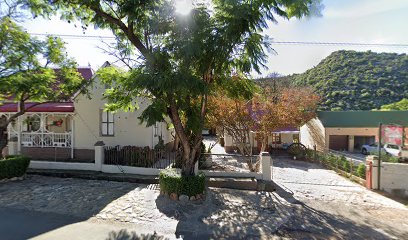
De Rust sits amid the Klein Karoo’s rolling scenery, offering a laid‑back base from which to explore the Western Cape’s lesser‑trampled corners. The village is small but well supplied with friendly guesthouses, self‑catering apartments and boutique lodges, all positioned to showcase the region’s dramatic mountains, lavender fields and olive groves. When planning a stay, think about how you want to pace your days: cosy mornings with coffee and croissants, long afternoon wanders along country lanes, and evenings relaxed at a dining room table with mountain views. A well‑chosen home base can make a big difference to your experience of De Rust and its surroundings.
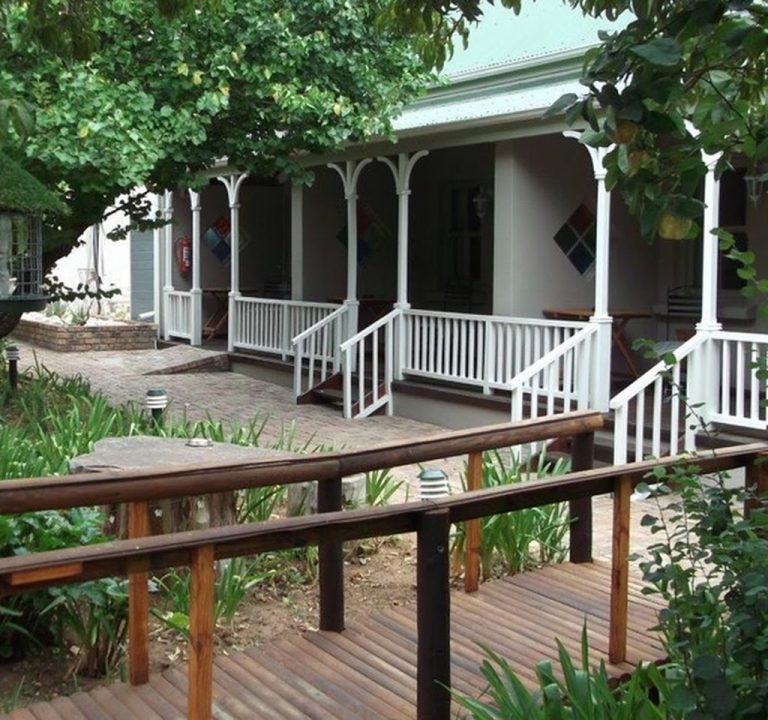
Accommodation in De Rust ranges from self‑catering apartments to intimate guesthouses and small boutique lodges. For families or groups, self‑catering options can offer space and flexibility, with kitchens equipped for long stays and living areas that encourage shared meals and conversation. For couples or travellers seeking a quieter, more intimate atmosphere, guesthouses and lodges with verandas and open fireplaces can provide the right touch of charm and privacy. When booking, consider the following:
- Location within De Rust: a short stroll to the village square makes wandering for coffee or a casual dinner effortless, while a more secluded position can maximise privacy and views.
- Access to outdoor spaces: many properties boast patios, braai areas, or gardens—ideal for sunlit mornings and golden hour photography.
- Self‑catering versus B&B style: decide if you want full kitchen facilities or a light breakfast with personalised recommendations from your hosts.
- Size and layout: confirm bedding arrangements and whether there are en‑suite options or separate bathrooms for groups.
- Parking and access: ask about on‑site parking, vehicle access on gravel roads, and how easy it is to reach local attractions.
Typical amenities across De Rust’s accommodation variety include well‑equipped kitchens, private outdoor seating, fireplaces or wood stoves for cooler evenings, and reliable wi‑fi. Many places also offer generous guest information, such as maps and personalised tips for local eateries, farm stalls, and short scenic drives. Expect clean, comfortable spaces designed to blend with the surrounding countryside, with hosts who are often keen to share their knowledge of the area’s landscape, wildlife, and cultural highlights.
Transport considerations are simple but worth planning. De Rust is best navigated by car, with most sights and eateries spread along the surrounding roads. If you’re arriving from Cape Town or the Garden Route, a private or rental vehicle gives you maximum flexibility. For those who prefer not to drive, check beforehand if your accommodation offers a shuttle arrangement or can suggest reliable local drivers for day trips. In town, several routes are friendly for pedestrians, and the pace is generally relaxed, making a short stroll to the square and nearby farms tasks rather than adventures.
The best time to visit De Rust depends on the experience you’re after. Spring (September to November) brings mellow temperatures and the bloom of wildflowers, a splendid backdrop for outdoor walks and photography. Autumn (March to May) offers cooler days and crisp evenings, ideal for long scenic drives and wine‑related excursions in nearby valley routes. Winter can be chilly, with clear skies that reveal dramatic mountain silhouettes—great for stargazing and cosy evenings inside. Summer in this region can be warm, so many guests prioritise early starts and shaded outdoor spaces. When booking, consider the season's light and temperature, especially if you plan long outdoor activities or delicate gardens to explore.
When exploring attractions, you’ll find a gentle mix of natural scenery and rustic charm. The surrounding countryside invites short walks, farm visits, and lookout points where you can pause to take in panoramic views. Local attractions tend to focus on the landscape, artisanal produce, and small‑scale culture rather than large‑scale theme parks, which suits travellers seeking a slower travel pace. For dining, De Rust’s eateries typically emphasise seasonal ingredients, home‑prepared dishes, and a welcoming ambiance. Look for menus that highlight regional produce and traditional preparations crafted to reflect the area’s rural character, rather than high‑volume, national chains. If you have dietary preferences, many places are happy to accommodate with thoughtful substitutions when advised in advance.
Practical tips to help you plan your stay:
- Book early for peak seasons or long weekends to secure preferred locations with garden or mountain views.
- Ask hosts about local attractions, walking routes, and farm stalls to tailor your days to the weather and your interests.
- Pack layers for variable weather, especially if you’re visiting in shoulder seasons when mornings and evenings can be brisk.
- Bring a camera and a notebook for recommendations—local hosts often share hidden gems for off‑the‑beaten‑path experiences.
- Check parking arrangements and access roads, particularly if your accommodation sits off‑high street or on gravel lanes.
One notable option within De Rust is a self‑catering apartment that offers a practical home from home experience. Its website provides details about what you can expect in terms of kitchen facilities, living space, and how it fits into a relaxed rural itinerary. If you’re planning a longer stay or want the freedom to cook for friends and family, self‑catering can be a particularly convenient choice. You can find more information at the property’s website: Olivier’s Rust Selfcatering Apartments.