Johannesburg: Accommodation, Attractions and Getting Around
Johannesburg, often simply called Jo’burg or Jozi, is a dynamic city that blends rich history with a contemporary, cosmopolitan vibe. When planning a stay, travellers can choose from a wide range of accommodation, from stylish contemporary hotels and chic guesthouses to family-friendly lodges and boutique apartments. The choice of neighbourhood can shape your experience, so it’s worth weighing what you want from your visit—arts and culture, business access, or easy access to nature and family-friendly activities.
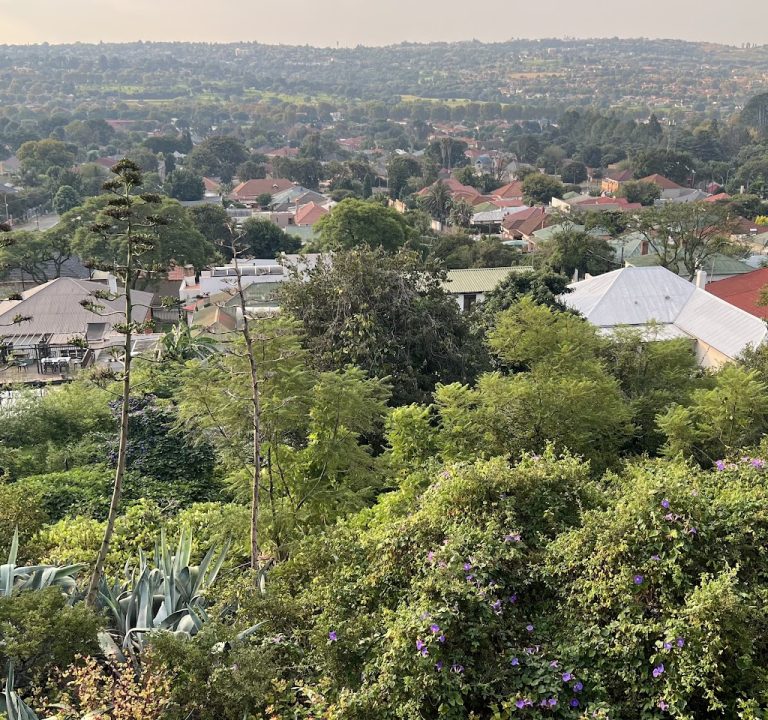
For convenience and a sense of security, many visitors base themselves in central districts or in the northern suburbs where major routes and transport links meet major sights and business hubs. Braamfontein offers a short stroll to museums, galleries and lively street life, while Maboneng is popular for its creative scene and dining options. Sandton is ideal for shoppers and those seeking a more polished, high-end stay, and Rosebank combines good transport links with markets and cafés in a compact, walkable area. If you want a leafy, residential tone with easy access to parks and outdoor spaces, consider a stay in suburbs such as Melville, Parkview or Emmarentia, which balance tranquillity with proximity to the city centre.
When booking, look for properties that clearly spell out transport options and parking, especially if you are travelling by car or planning daily excursions. Check proximity to a Gautrain station (which links to Pretoria and the airport) or to reliable MyCiTi or local bus routes, as well as safety features such as 24-hour reception or secure access. Many guesthouses and hotels in Johannesburg offer breakfast and complimentary high-speed Wi-Fi, while some larger hotels may provide on-site dining options, fitness facilities and business services. If you are travelling with family, search for family rooms or suites, child-friendly amenities, and quiet rooms to ensure a comfortable stay for all ages.
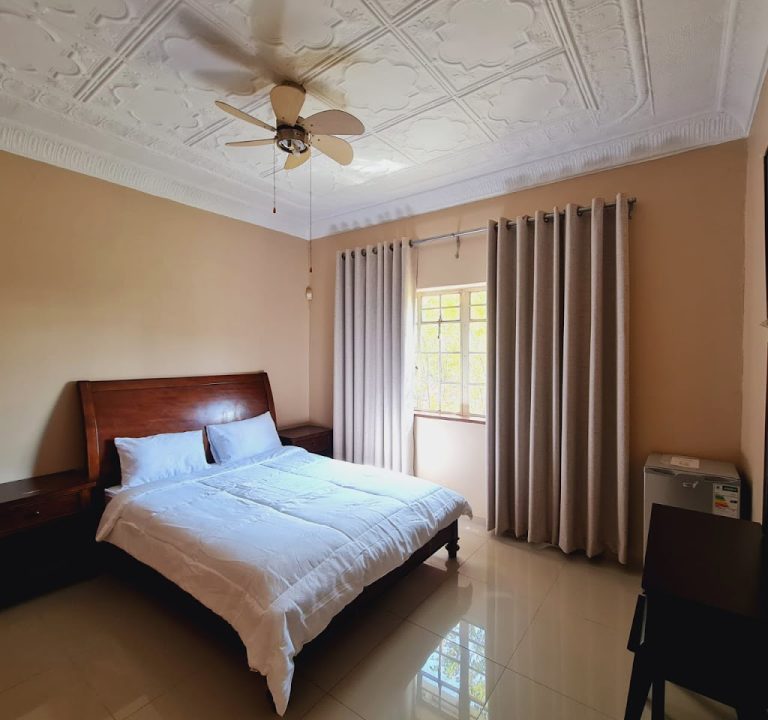
Typical amenities in well-rated accommodation include air conditioning, good quality bedding, en-suite bathrooms, and reliable housekeeping. A well-equipped kitchenette or self-catering option can be very convenient for longer stays, while on-site restaurants or easy access to nearby dining can save time on busy itineraries. For business travellers, look for workspaces, meeting rooms, and dependable Wi-Fi, as well as a quiet room for calls or presentations. If you’re planning a longer break, consider properties that offer laundry facilities or laundry services and a kitchenette for flexibility.
Food and dining in Johannesburg span a range of experiences, from modern bistros and stylish cafés to traditional South African eateries and vibrant markets. Even if you do not plan a full meal out each day, you’ll find that many areas offer a good mix of casual eateries and fine dining, with options to suit various dietary needs. Exploring on foot or by taxi, rideshare, or a conditional hop-on service can uncover hidden gems, from casual lunch spots to late-night spots that capture the city’s energy. When you choose a neighbourhood, you’ll often discover a cluster of recommended places within easy reach, making it practical to combine a day of sightseeing with a relaxed dinner.
Attractions and experiences to consider during a visit include the city’s museums and historical sites, vibrant markets and street art, and access to nearby natural attractions and viewpoints. The city’s museums and cultural spaces can offer insights into the country’s complex history, while modern art districts and galleries showcase contemporary South African creativity. Markets, craft stalls and street food vendors provide opportunities to taste local flavours and pick up unique souvenirs. For outdoor enthusiasts, nearby green spaces and parks provide a chance to recharge between city explorations, with walking trails and scenic viewpoints within a short drive.
Practical planning tips to help you enjoy a smooth stay:
- Book in advance during peak travel periods and school holidays to secure preferred neighbourhoods and preferred room types.
- Check transport options, including proximity to rail links and reliable taxi or rideshare services, to minimise time spent commuting.
- Ask about security measures and access, particularly if you plan to return late from evenings out.
- Consider the season: Johannesburg has a temperate climate, but afternoons can be warm, so pack layers and sun protection for outdoor activities.
- Plan at least one day outside the central area to experience the broader Gauteng region, such as nearby nature reserves or contemporary culture hubs in neighbouring towns.
Best time to visit tends to be during the milder winter and spring months when days are pleasant, and humidity is lower, though summer offers lush scenery and vibrant city life with occasional showers. If you are visiting for business or major exhibitions, align your dates with conference calendars and use reputable transport to and from the venue. For a balanced itinerary, combine a stay in a central district with a day trip to a northern suburb or a nearby nature spot to experience both urban culture and outdoor spaces.
Johannesburg can serve as a practical hub for exploring Gauteng, with a mix of comfortable stays, easy transport options, and diverse experiences. By choosing the right neighbourhood, confirming essential amenities, and planning around transport routes, you can tailor a stay that suits your pace and interests while keeping trips efficient and enjoyable. For more inspiration and practical planning, you may wish to explore official tourism resources and hotel or guesthouse websites to compare options and find the right fit for your visit.