Cape Town: accommodation planning and experiences for a memorable stay
Cape Town offers a diverse range of places to base your visit, from harbour-side apartments to leafy guesthouses and modern city-centre hotels. When planning your stay, think about what you want from your days: dramatic scenery, easy access to beaches, world‑class gastronomy, or a quieter retreat among neighbouring suburbs. The right base can dramatically cut commuting time and maximise your time exploring the region’s attractions and experiences.
Neighbourhoods to consider include:
- The Waterfront and City Bowl for easy access to markets, nightlife, museums and short walks to iconic sights.
- Atlantic Seaboard north and Camps Bay for beachfront living, sunset views and stylish dining.
- Green Point and Bo-Kaap for a blend of cultural heritage, parks and convenient transport links.
- Rondebosch and Constantia in the southern suburbs, ideal for a more residential feel and close proximity to wine routes.
When choosing accommodation, look for a few practical features that can make your stay smoother. A well-equipped kitchen or kitchenette is invaluable for saving on meals, especially after full days outdoors. Reliable Wi‑Fi is essential if you need to stay connected or plan day trips. Parking can be a lifesaver in busy parts of the city, and air conditioning or good ventilation helps comfort during warmer months. A washing machine or access to laundry facilities is convenient for longer visits. If you plan early starts to hike or visit the Table Mountain cableway, proximity to transport routes or a short taxi ride should be weighed against distance to sites you want to explore.
Typical amenities in many Cape Town properties include secure parking, daily housekeeping or self‑catering options, outdoor spaces such as patios or balconies, and access to nearby pools or gardens. For families or groups, larger self‑catering apartments or boutique guesthouses can offer welcome space and flexible layouts. Those seeking boutique experiences might prioritise design-led interiors, personalised service, and locations that place you close to both natural scenery and urban convenience. Always confirm check‑in times and any special requirements in advance, and read recent guest reviews for insights on noise, cleanliness and the accuracy of property descriptions.
Transport across Cape Town is well supported by a mix of public and private options. The MyCiTi bus network and the rail system connect major districts and the city centre, while taxi and rideshare services are widely available. If you plan day trips—such as wine country tours or visits to the Cape Peninsula—car hire can offer flexibility, though many attractions are easily reached via guided tours or organised excursions. For some properties, being within a short stroll of mountain trails, beaches or the V&A Waterfront can save valuable travel time and let you tailor your days to your pace and interests.
The best time to visit depends on your priorities. The spring and summer months (roughly September to April) bring longer days, vibrant coastal scenery, and more outdoor activities such as hiking, sailing, and outdoor markets. Winter (May to August) is milder in Cape Town compared with many European cities and can be a great time to explore the winelands and cultural attractions with fewer crowds. If you’re seeking outdoor adventures, aim for December to February when sea breezes are common and coastal activities are in full swing, while spring offers a carpet of wildflowers and a fresh, atmospheric backdrop for photography.
When it comes to planning activities, consider balancing nature trips with cultural experiences and gastronomic highlights. Iconic natural spectacles are complemented by world‑class eateries, markets and wine estates in nearby valleys. While we avoid naming specific venues here, your planning can include periods of outdoor time combined with explorations of museums, galleries and historic districts. Booking in advance for high‑demand experiences or seasonal tours is sensible, particularly in peak periods, and many accommodation providers can offer guidance based on your interests and the time of year.
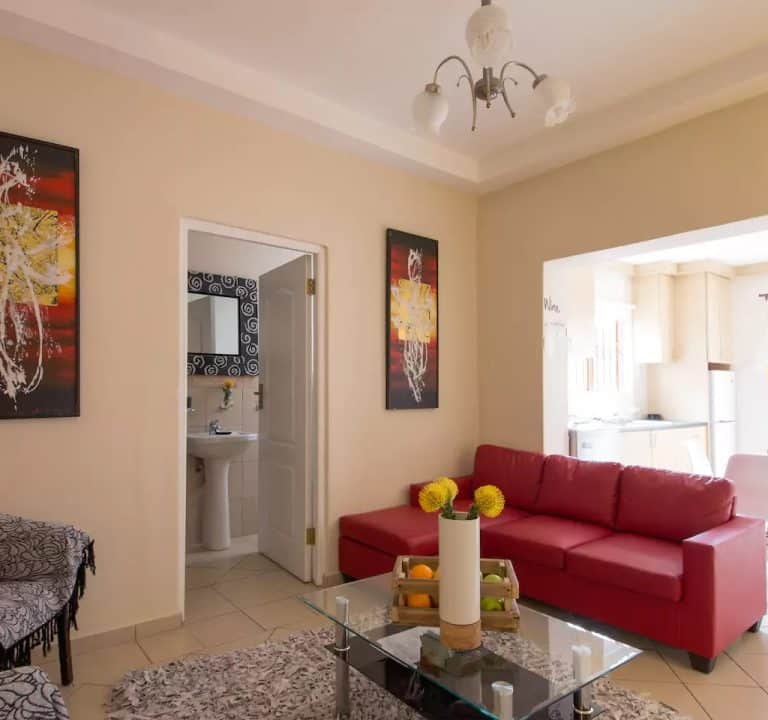
One example of accommodation that can illustrate the range of options available is Star Holiday Apartments. The property offers self‑catering style stays with convenient access to central Cape Town and the surrounding areas. For more information, you can visit their website at starapartments.co.za.
Planning practicalities to keep in mind include checking cancellation policies and whether the rate includes taxes, as well as the availability of flexible dates in case plans change. It’s wise to confirm accessibility features if needed and to ask about neighbourhood safety and recommended walk routes for evenings. Packing tips include comfortable walking shoes for hills and stairs, sun protection for strong coastal days, and a light layer for cool mornings and evenings near the coast. With careful selection and a little advance planning, Cape Town can deliver a blend of scenic beauty, cultural richness and hospitality that makes a stay truly memorable.