Cape Town: Accommodation and a Traveller’s Guide to Planning Your Stay
Cape Town sits at the southern tip of Africa, where dramatic coastlines meet iconic landscapes. When planning a stay, travellers often balance location, price, and the pace they want from their days. A well-chosen base makes it easy to explore the city’s beaches, markets, museums, and natural wonders, while a comfortable room with dependable amenities keeps evenings relaxed after long days of sightseeing.
One wise approach is to think in terms of neighbourhoods and what each offers. The City Bowl and the Central area are convenient for city sights, museums, dining, and nightlife, with good access to public transport and major routes. The Victoria & Alfred Waterfront provides waterside ambience and easy harbour connections, while the Atlantic Seaboard—areas such as Green Point and Sea Point—offers scenic walks, promenades, and a breezier, resort-like feel. Constantia and the southern suburbs present a calmer, greener side of the region with vineyards nearby and more residential streets. For a more local, creative vibe, neighbourhoods like Woodstock and Observatory showcase a mix of design boutiques, cafés, and foodie spots. If you’re after a quieter stay with easy access to the city centre, a well-situated guesthouse or hostel in these areas can strike a good balance between price and convenience.
When selecting accommodation, consider a few practical factors. Proximity to a MyCiTi bus stop, tram line, or railway station can save time and stress, especially if you’re planning to rely on public transport rather than renting a car. Many guesthouses, hostels, and boutique hotels in Cape Town offer complimentary or low-cost shuttle services to popular hubs, while others provide guidance on payable routes and schedules. If you do hire a car, ensure there is secure parking or easy off-street options, as street parking can be limited in busy parts of the city centre and waterfront. For travellers who value social spaces, search for accommodation with communal kitchens, lounge areas, or verandahs where fellow guests share tips and plan day trips.
Typical amenities to prioritise include reliable Wi-Fi, a private or en-suite bathroom, air conditioning or a fan (important for hot summer days and humid evenings), and self-catering facilities if you’d prefer to cook some meals. A generous breakfast offering can be a real time-saver, though many properties will also point you to local cafés and markets for fresh coffee and weekend treats. Good sound insulation is worth seeking in quiet rooms if you plan to rest after long activities, and a small fridge in the room can keep drinks and snacks conveniently on hand between excursions.
What to look for when booking, aside from price, includes transparency about cancellation policies, guest reviews, and a clear description of what is included in the stay. Shared dorms or private rooms in hostels offer social opportunities and lower costs, while boutique guesthouses and compact hotels emphasise personalised service and local character. Read about what the property provides for families, solo travellers, or groups, and verify accessibility features if needed. A well-maintained property with responsive hosts or staff can make day trips, such as scenic drives to the Cape Peninsula and Table Mountain, smoother and more enjoyable.
Seasonality plays a big role in Cape Town. The city experiences its peak in the southern hemisphere summer, when days are long and temperatures are warm. Shoulder seasons can offer comfortable weather with fewer crowds, while winter (June to August) brings cooler temperatures and chances of rain. The best time to visit depends on your priorities: beach days and outdoor adventures thrive in summer, while city museums and dining experiences can be more relaxed in shoulder months. If you’re planning outdoor activities like scenic hikes or wine tours, checking local weather forecasts and planning with flexibility will help you make the most of your itinerary.
When it comes to dining and experiences, Cape Town offers a diverse range of options without needing fixed reservations for every meal. In general terms, you’ll find all-day cafés, casual bistros, and fine-dining restaurants offering modern South African and international cuisines. For a broad sense of Cape Town’s food scene, look for places that prioritise fresh local ingredients, seasonal menus, and recommendations from hosts or drivers. Markets—whether on weekends or on certain evenings—are excellent for sampling a variety of small plates, baked goods, and street-food-inspired dishes. For those seeking a blend of culture and activity, guided walks, harbour cruises, or sunset viewpoints provide memorable introductions to the city’s coastal splendour and urban energy.
Practical tips to help your stay run smoothly:
- Book accommodations with clear cancellation terms and up-to-date guest reviews.
- Choose a base with reliable Wi‑Fi, a comfortable bed, and easy access to transit links.
- Pack a light layer for cooler evenings and a hat or sunscreen for daytime sun.
- Budget for taxi or rideshare options for late evenings or areas further afield.
- Plan day trips with a flexible mindset to accommodate changing weather or wildlife opportunities.
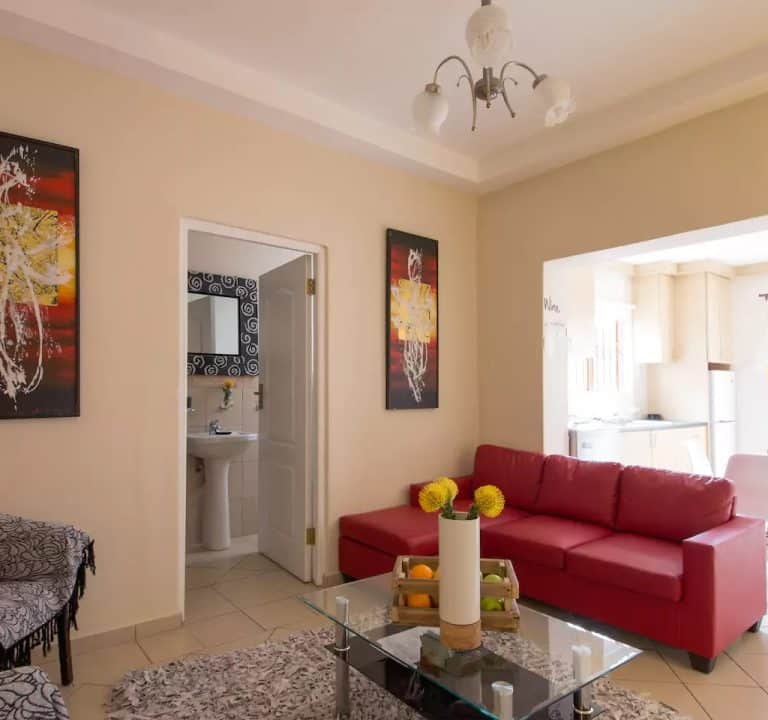
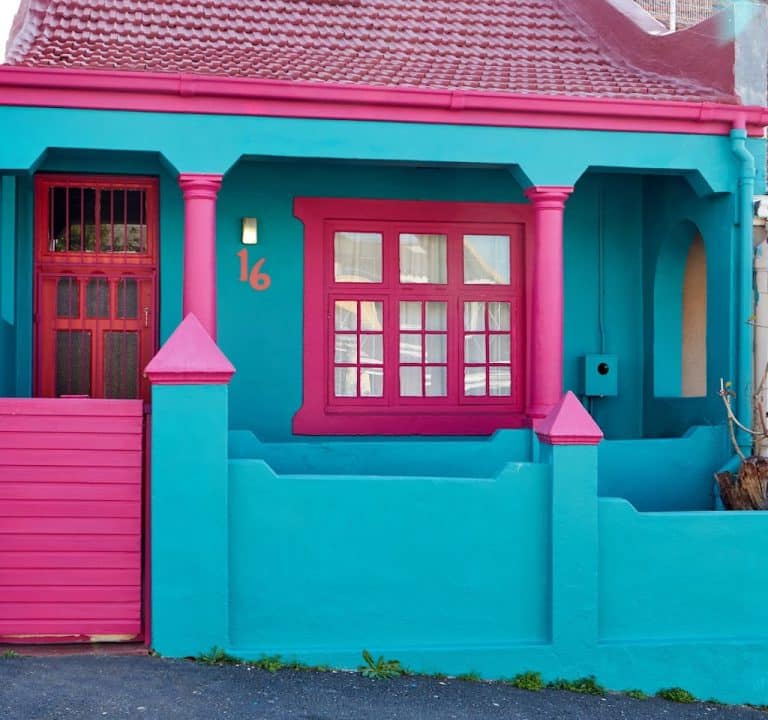
For travellers seeking a sample of Cape Town’s hospitality through a budget-friendly lens, a hostel-style option such as a spacious room in a large Victorian house can illustrate how communities and shared spaces function in the city. Regardless of the choice, a well-planned stay in Cape Town blends convenient access with time to explore beaches, markets, museums, and the city’s remarkable natural scenery. For further inspiration and practical planning, you can consult official tourism sources or travel guides that provide up-to-date information on routes, attractions, and seasonal events. Websites such as official tourism portals offer background on places to visit, suggested itineraries, and practical travel tips to help you make the most of your Cape Town adventure.