Accommodating Cape Town: Where to stay, what to expect, and how to make the most of your visit
Cape Town is a city of strong contrasts, where dramatic coastlines meet historic neighbourhoods and a vibrant dining scene sits alongside serene vineyards. When planning a stay in the Western Cape, think about the kind of experience you want, the pace you prefer, and how you’ll move around. Whether you choose a hosted guesthouse with a personal touch, a modern apartment in a leafy suburb, or a boutique hotel with sweeping views, the city offers options to suit every traveller and every budget.
One useful starting point is to consider the areas that best fit your planned activities. The Atlantic Seaboard (with coastal suburbs close to the ocean) is ideal for harbour views, beach walks, and easy access to popular attractions. The city centre is convenient for museums, markets, and a lively urban atmosphere, though it can be busier and noisier. Camps Bay and Clifton offer glamorous scenery and postcard views, while the Constantia Valley and Stellenbosch are gateway areas for wine experiences and more tranquil escapes. If you want a blend, look for a well‑connected apartment or guesthouse in a neighbourhood that offers both safety and proximity to the places you want to visit.
When choosing accommodation, think about the basics that affect comfort and convenience. A well‑equipped kitchen or kitchenette is valuable if you enjoy home‑cooked breakfasts or simple self‑catering. Reliable Wi‑Fi, a comfortable bed, good heating or cooling, and adequate privacy are worth prioritising. If you are travelling with family or a group, a residence with separate living spaces or multiple bedrooms can make a big difference. For those seeking a more immersive stay, consider a property that offers local recommendations or hosts who can tailor itineraries to your interests.
Typical amenities you might encounter include secure on‑site parking or easy access to public transport, laundry facilities, and flexible check‑in options. Some properties provide optional extras such as guided tours, airport transfers, or curated local experiences, which can add value if you want a hands‑off planning process. In line with eco‑conscious travel, you may also find properties that prioritise energy efficiency, recycling facilities, and water conservation measures. When booking, check the cancellation policy and any seasonal surcharges to avoid surprises during peak periods.
Transport in Cape Town is practical but can require planning. The MyCiTi bus system and trains connect several hubs, while ride‑hailing services and taxis offer convenient door‑to‑door options. If you are staying near a major route or within walking distance of beaches or parks, you may be able to reduce reliance on car hire for short stays. For day trips to the Cape Winelands or the Cape Peninsula, consider a guided day tour or a rental car with a valid licence and appropriate insurance. If you plan to explore widely, staying in a central hub with easy access to transit links can save time and maximise sightseeing opportunities.
The best time to visit Cape Town depends on your priorities. Spring and autumn bring milder temperatures and fewer crowds, which is ideal for outdoor activities and hiking. Summer offers long days and seaside flair but can be busy, particularly around major attractions. Winter is cooler and rainier, yet you can still enjoy urban culture, food markets, and museum exhibitions. If you plan to visit the Cape’s iconic natural landmarks, remember that weather can change quickly, so packing layers and a light waterproof layer is sensible.
When it comes to planning activities, you can structure a stay to balance nature, culture, and cuisine. Iconic scenery such as Table Mountain or the Cape Peninsula offers outlooks and trails suitable for varied fitness levels, while world‑class museums and galleries provide indoor options on less predictable days. Food lovers can seek out markets, casual eateries, and restaurants that emphasise fresh, seasonal ingredients and regional flavours. While it is best to avoid listing specific establishments with fixed prices or awards, you can expect a dining scene that ranges from informal bistros to refined eateries, often with views or close proximity to harbour or garden settings. For accommodation with a truly local flavour, look for properties that highlight neighbourhood character and easy access to a mix of attractions rather than a single focal point.
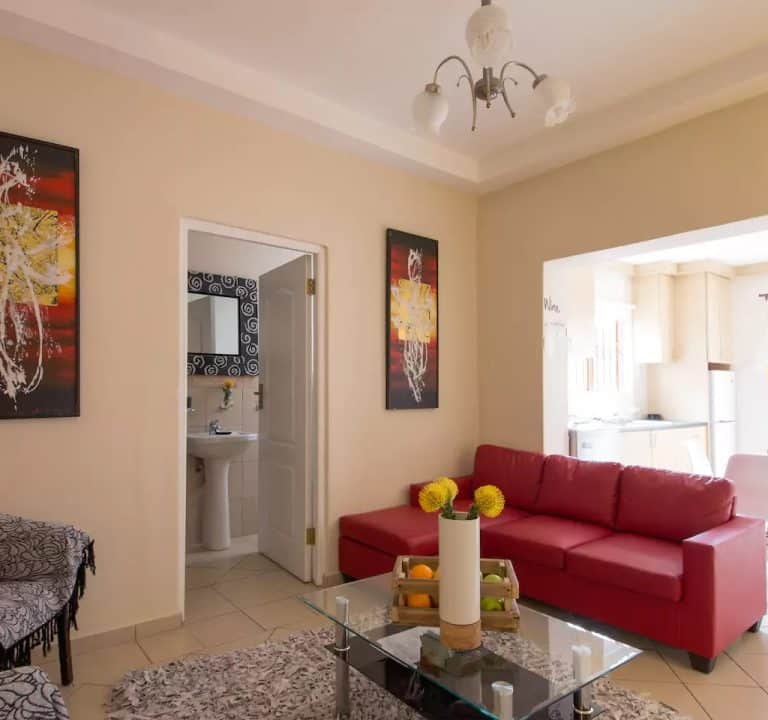
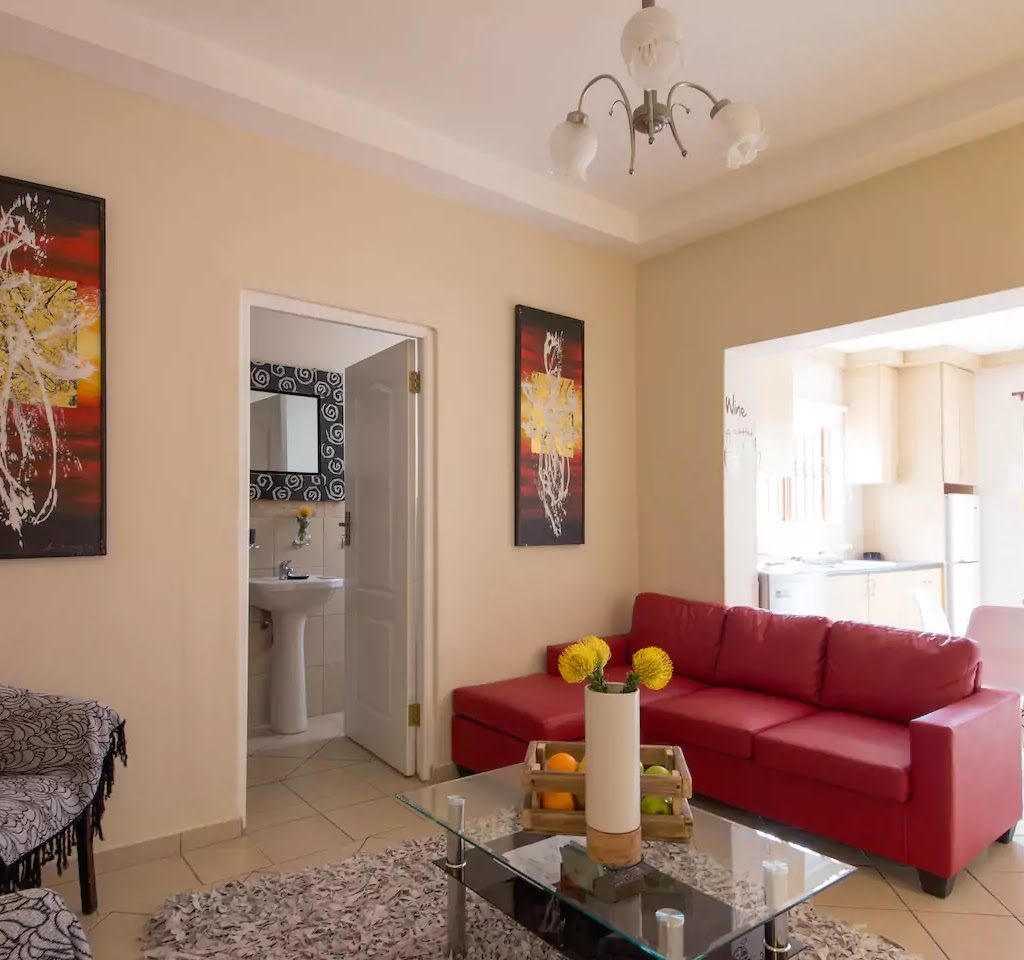
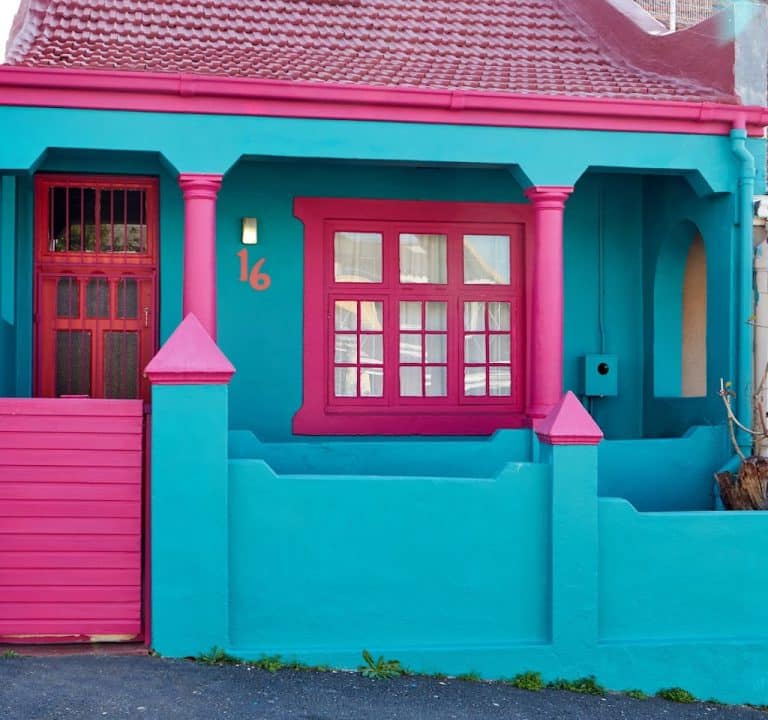
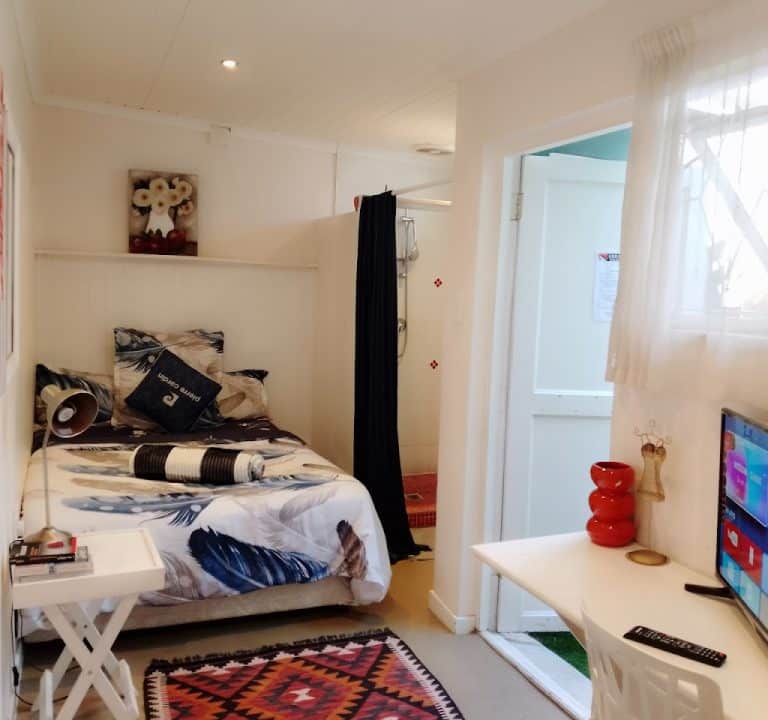
For those seeking an example of a stay that blends comfort with location, imagine a holiday apartment such as Cape Dutch Red Door in a well‑placed district. Such arrangements can offer a balance of privacy, self‑catering convenience, and proximity to both natural beauty and urban amenities, helping travellers to tailor their days around what they most want to experience.
- Location: prefer areas with easy transit links and safe, pleasant streets.
- Amenities: flexible check‑in, reliable Wi‑Fi, parking, laundry, and kitchen facilities.
- Transport: proximity to MyCiTi routes or train stations, or the possibility of car hire.
- Planning: look for hosts or managers who offer local tips and itinerary ideas.
- Seasonality: factor peak periods into pricing and availability.
Finally, practical tips to help you plan a successful stay: research a few surrounding areas to understand what each offers, book in advance for peak seasons, and keep a flexible timetable to account for weather and traffic. Always read recent guest reviews to gauge consistency and host responsiveness. With thoughtful planning, your Cape Town stay can blend restful accommodation with memorable experiences, creating a well‑rounded visit to this richly diverse corner of the Western Cape.