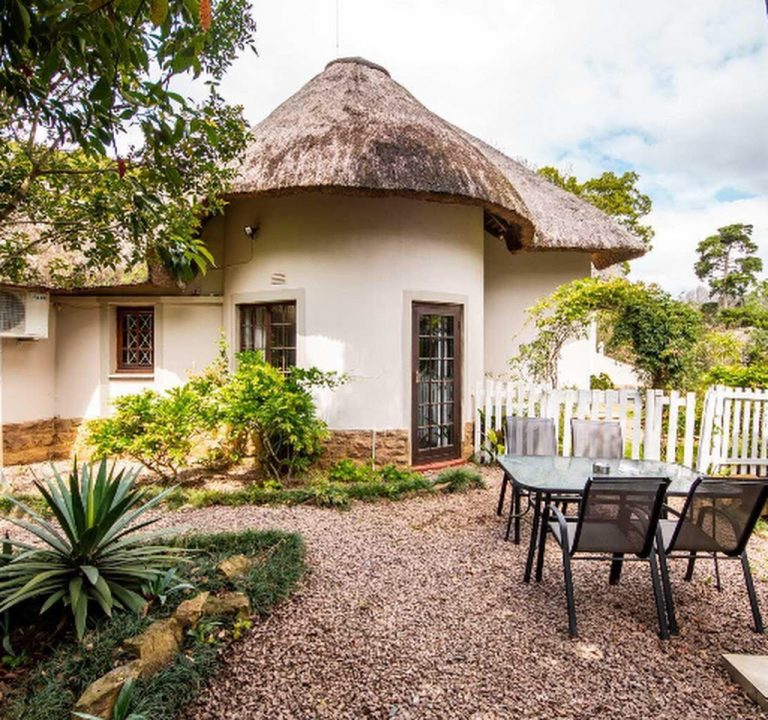
Stacey’s Apartment is a Bed & breakfast establishment in Durban, KwaZulu-Natal, South Africa
About Stacey’s Cornerstone Apartment in Durban, KwaZulu-Natal
Stacey’s Cornerstone Apartment is a stay listed on Airbnb that places guests in Durban, a coastal city famed for its warm climate, golden beaches and vibrant cultural scene. The listing presents a neighbourhood-based accommodation option within KwaZulu-Natal, offering a base from which visitors can explore the region’s diverse experiences. The exact configuration of the space, including room types and on-site facilities, is not detailed in the publicly available overview, but the listing’s presence on a well-known short‑term rental platform signals a private dwelling-style stay that aims to provide a comfortable, home‑like environment for travellers.
Durban’s appeal often centres on its accessible seaside atmosphere, indoor-outdoor living, and a mix of modern amenities with South African hospitality. In general terms, a Durban apartment stay can offer a compact, self-contained retreat with common areas that invite guests to unwind after days spent exploring the city. For visitors seeking a convenient home base, such listings commonly highlight proximity to local shops, eateries, and transport routes that help make the most of a Durban itinerary. While specific interior design or layout details are not disclosed in this brief listing snapshot, visitors can anticipate a space that aims to strike a balance between privacy and the convenience of a central, residential setting.
As an outside observer, it is clear that Stacey’s Cornerstone Apartment belongs to the growing category of guest-friendly stays that prioritise flexibility and straightforward access. Guests attracted to this style of accommodation often value the ability to self-check-in, a compact yet functional living area, and the privacy that comes with an apartment rental as opposed to a traditional hotel room. The listing’s online presence implies a format that may appeal to travellers who prefer a more low-key, home-like experience while still enjoying the security and accountability of a reputable platform for bookings and reviews.
Because the publicly available information does not spell out specific amenities, it is prudent for potential guests to review the official listing page for definitive details. Typical considerations include the presence of a fully equipped kitchen, laundry facilities, secure access, and any shared versus private spaces. The level of housekeeping, availability of parking, and suitability for different group sizes are also aspects travellers commonly examine when evaluating apartment stays. In the absence of explicit statements, travellers should anticipate a stay that is practical and suited to those who value independence and a straightforward, self-contained dwelling process during their Durban visit.
Who this type of accommodation is best suited for is often determined by personal travel style. A private apartment in Durban can be an ideal choice for couples seeking a quiet city break, small families looking for a home-away-from-home, or solo travellers who favour a more autonomous stay with easy access to local life. For visitors planning longer stays or those who appreciate a kitchen and living area as part of the package, this format offers potential savings and a sense of continuity when staying in a new city. It is worth noting that the Durban experience can be enriched by exploring nearby markets, cafés, and cultural venues, all of which are commonly reachable from well-located apartment listings.
Travel tips and practical pointers for booking and staying in Durban accommodations include the following: carefully read the full listing description and house rules, check recent guest reviews for insights into cleanliness and host responsiveness, and verify what is included in the price (for instance, towels, bedding, and essential kitchenware). It is also advisable to review the cancellation policy to understand flexibility in travel plans. For travellers new to Airbnb in South Africa, using the platform’s messaging system to communicate with the host before arrival can help clarify access instructions, local tips, and any house specifics that might impact the stay.
To learn more about Stacey’s Cornerstone Apartment and to view the official listing details, see the Airbnb page at airbnb.com/h/staceyscornerstone. The page is the primary source for definitive information about room configurations, amenities, policies, pricing, and nearby attractions specific to this Durban dwelling. For travellers seeking inspiration on what a Durban visit can offer, supplementary research into local beaches, markets, and cultural experiences can help shape an itinerary that complements the comfort of a private apartment stay.
Durban
KwaZulu-Natal
3650
South Africa


Durban: where to stay, what to do and how to make the most of your visit
Durban, a coastal city in KwaZulu-Natal, blends subtropical beaches with a vibrant cultural scene. When planning a stay, consider districts that suit your rhythm—whether you want a breezy beach vibe, convenient access to the city’s sights, or a quieter residential base close to nature. Coastal neighbourhoods such as North Beach and the Golden Mile offer easy access to long stretches of sand and promenade walking, while Morningside and Berea provide a busier residential atmosphere with a wider range of dining and shopping. Umlanga and Durban North sit slightly north of the centre, often delivering a calmer stay with cheery sea views and well‑positioned guesthouses and B&Bs. If you’re after a truly unique experience, a stay near the university precinct or in smaller, family‑run guesthouses inland can provide an authentic, friendly welcome and lower daily costs.
Accommodation types in Durban range from boutique B&Bs and guesthouses to self‑contained apartments and smaller hotels. When you book, think about what matters most for your trip: proximity to the beach, access to public transport, on‑site parking, or a kitchen for budget travel. Typical amenities you may find include free Wi‑Fi, secure parking, en‑suite bathrooms, air conditioning or ceiling fans, and breakfast options. If you’re travelling with children or a group, consider spaces with separate living areas, gardens, and easy indoor/outdoor flow. For longer stays, a well‑appointed apartment or a guesthouse with a kitchenette can help you balance comfort with value.
Transport in Durban is relatively straightforward, though planning ahead helps. Taxis and ride‑hailing services are widely available, and some guesthouses offer shuttle arrangements or local discretion for arrivals. The M4 and other major routes connect popular coastal areas, while stops for city buses and minibus taxis can help you reach inland sights. If you plan day trips to the Valley of a Thousand Hills, the Midlands Meander, or nearby nature reserves, you may want to hire a car for maximum flexibility, especially if you’re travelling outside peak hours. Always check parking options and security features at your chosen accommodation, particularly if you’ll be returning late from a day of exploring.
Best time to visit Durban generally follows the region’s mild winter and hot summer pattern. The summer months (roughly November to March) bring humidity and afternoon thundershowers, with excellent beach weather on many days. Winter (May to August) offers cooler but mild days, lower humidity, and less rainfall—a comfortable period for exploring the city, markets and cultural venues without the high heat. Shoulder seasons can be particularly pleasant for outdoor activities, with fewer crowds at popular attractions. If you’re planning outdoor adventures like hiking in the nearby hills or coastal walks, packing lightweight layers and a rain jacket is sensible year‑round.
When it comes to attractions, Durban’s coast offers a blend of beaches, markets, and family‑friendly venues. A day by the sea can include strolling along the Golden Mile, enjoying the bay’s long promenade, or sampling local seafood and fiery curries from nearby eateries. Cultural highlights may include museums and galleries that reflect KwaZulu‑Natal’s diverse heritage, as well as seasonal markets and crafts fairs that showcase local artisans. For nature lovers, the city provides easy access to botanical gardens, nature reserves, and short drives to scenic hills and viewpoints. If you’re interested in a family‑friendly outing, look for experiences that combine light entertainment with learning, such as marine life centres or interactive exhibits, and consider experiences led by guides who can offer insight into the region’s history and ecology.
Durban’s dining scene is as coastal as the city itself. Along the promenade and in central districts you’ll find fresh seafood eateries, casual cafés, and a range of international options. Durban is famous for its Indian‑influenced curries and spice blends, so you’ll encounter dishes that reflect the city’s fusion heritage. When choosing where to eat, look for places with good hygiene ratings and consistent reviews, particularly if you’re seeking family‑friendly options, hearty portions, or venues with kid menus. If you’d prefer a home‑away experience, booking a stylish B&B or a self‑catering apartment can provide a convenient base with in‑room cooking facilities and the option to prepare meals after a day of sightseeing. One example of a stay to explore is Stacey’s Cornerstone Apartment, listed on Airbnb, which offers a self‑contained option in a central area. You can learn more at the listing: http://airbnb.com/h/staceyscornerstone
Practical tips to help you plan smoothly:
- Choose accommodation with easy access to public transport or parking, especially if you’ll be exploring beyond the immediate coast.
- Consider a base near the beach for daily strolls and uncomplicated evenings by the sea.
- Book in advance during peak holiday periods to secure family‑friendly rooms or suites with generous space.
- Check for inclusive breakfast, self‑catering facilities, and laundry options if you’re on a longer trip.
- Pack sun protection, a light rain jacket, comfortable walking shoes, and a reusable water bottle for city and coastal days.
Durban welcomes travellers with a warm climate, a friendly hospitality scene, and a mix of modern conveniences and natural beauty. With thoughtful planning around where you stay, how you move around, and which areas you’d like to explore, you can craft a balanced itinerary that covers beaches, culture, and food—the hallmarks of a memorable KwaZulu‑Natal visit.
Sorry, no records were found. Please adjust your search criteria and try again.
Sorry, unable to load the Maps API.
Why Claim Your Listing?
Claiming your listing on the B&B Finder directory website is a valuable opportunity for business owners. Here are five reasons why you should consider claiming your listings:
Control Over Business Information: By claiming their listing, business owners can ensure that all the information presented is accurate and up-to-date. This includes details such as contact information, address, pricing, and available services or amenities. Accurate information helps prevent customer confusion and improves overall satisfaction.
Enhance the Listing: Once a listing is claimed, owners can enhance it by adding more comprehensive information and rich media, like high-quality photos and videos. These additions can make the listing more attractive and engaging to potential customers, thereby increasing the likelihood of bookings.
Marketing Opportunities: Claiming a listing can also open up additional marketing opportunities. Owners may be able to participate in promotional campaigns, special offers, and other marketing activities organized by the directory. This can increase visibility and attract more customers to the business.