Durban: Where to Stay, Eat, and Explore in KwaZulu-Natal’s Coastal Gem
Durban blends subtropical beaches, historic neighbourhoods and a lively culinary scene, making it a popular choice for travellers seeking a relaxed yet culturally vibrant stay in KwaZulu-Natal. When planning a visit, consider the city’s varied neighbourhoods, from the hum of the central business district to the tree-lined avenues of the northern suburbs and the beaches of the Golden Mile. Each area has its own rhythm, transport links, and access to attractions, so choosing a base that matches your priorities — be it beach time, family activities, or nightlife — will help you make the most of your trip.
Accommodation in Durban ranges from boutique hotels and guesthouses to serviced apartments and larger seaside hotels. A well-chosen property can act as a convenient home from home, with amenities that suit different travellers. Look for options that offer secure parking if you plan to hire a car, or easy access to reliable public transport if you intend to rely on buses or taxis. Many properties near the city centre or beachfront include seasonal outdoor spaces, on-site dining, and facilities such as free Wi‑Fi, air conditioning, and laundry services, which can be a boon for longer stays.
Where to stay matters as much as what to do. The North Beach and Point area is close to the promenade and popular for those who want easy beach access and a lively atmosphere. The Warwick Junction and central Durban area offer a gateway to cultural experiences, markets and historical sites, with a choice of smaller guesthouses and modern hotels. For a calmer stay, consider the southern suburbs or the coastal hinterland, where leafy streets and guesthouses provide a more relaxed pace and often easy access to nature reserves and hiking trails.
Key factors to weigh when booking include room size and layout (especially for families or groups), whether breakfast is included, and what the property’s approach to security, cleanliness and guest assistance is. For longer stays, a serviced apartment or hotel with a kitchenette can provide flexibility and cost savings. Check recent guest reviews for notes on air conditioning performance during Durban’s hot summers, and assess accessibility if stairs or lifts are a concern. If you are travelling with children, look for family-friendly amenities such as a pool, safe play areas, and nearby parks or beaches.
Typical amenities you may encounter include air conditioning, reliable Wi‑Fi, private bathrooms, and daily housekeeping. Many properties offer on-site bars or cafés, and some feature pool decks with city or sea views. In recent years, Durban’s boutique hotels and guesthouses have emphasised design-driven interiors and personalised service, which can enhance a short break or a longer stay. When booking, read the policy on cancellations and deposits, and verify whether the rate includes access to facilities such as a gym or spa, if these are important to you.
Getting around Durban is straightforward but planning ahead helps. The city benefits from a coastal road network and a number of taxis and ride-hailing options. If you’re based in the central or beachfront areas, much of the sea-front promenades, markets, and cultural venues are within comfortable walking distance or a short ride. For day trips beyond the city, it’s worth renting a car or joining guided tours that cover the surrounding biodiversity reserves, outlying towns, and the KwaZulu-Natal coastline. Consider weather patterns when planning outdoor activities, as Durban’s climate can be hot and humid in summer and mild to warm in winter, with most rainfall occurring in the summer months.
Best time to visit Durban depends on your priorities. The city enjoys a subtropical climate, with pleasant winter temperatures and peak beach season in the warmer months. If you prefer fewer crowds and lower rates, shoulder seasons can be a good option, but you should also plan for occasional rain. Outdoor markets, cultural festivals, and performance events tend to be concentrated in spring and autumn. For nature lovers, early mornings or late afternoons are ideal for wildlife spotting and coastal walks when the heat is more tempered.
In terms of experiences, Durban’s coastal ecology is best explored with a mix of beach time, city strolls, and light adventures. Consider a morning walk along the promenade to witness the sea, then pivot to a cultural district for galleries, architecture and markets. The city’s dining scene showcases a range of flavours, from traditional favourites to contemporary, globally influenced cuisine. When choosing restaurants, a mix of casual beachfront eateries and more formal dining rooms offers a balanced itinerary. Look for places that use fresh, local ingredients and provide a welcoming, relaxed atmosphere—perfect after a day of sightseeing or surfing. If you are seeking a more structured food experience, many venues offer tasting menus or chef’s specials without relying on lavish price tags.
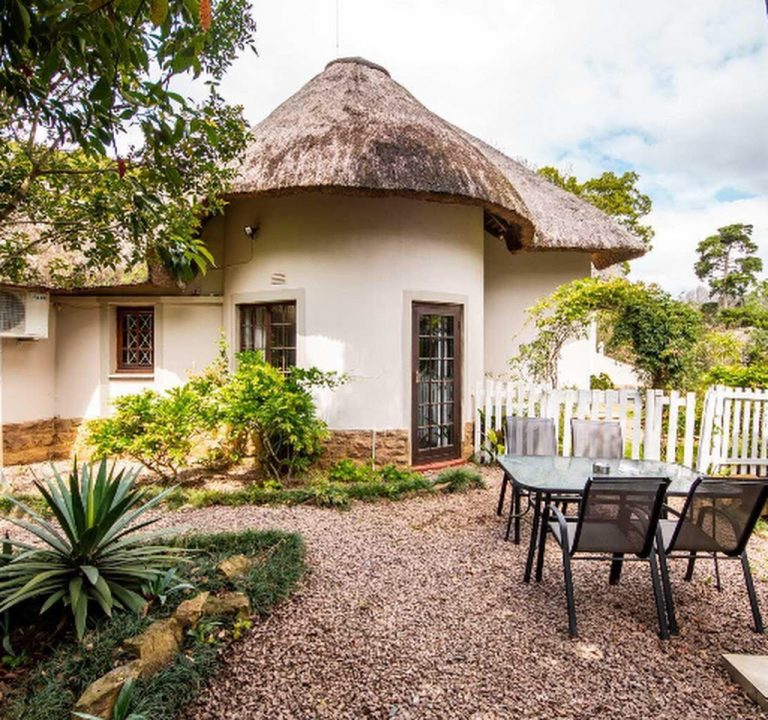
For accommodation reminiscent of Durban’s warmth and hospitality, you might encounter a range of options that suit different budgets and preferences. A boutique hotel with a personalised service ethos could be ideal for travellers seeking comfort and individuality, while a family-run guesthouse might offer homely touches and insider recommendations. Whether you are drawn to modern conveniences or period charm, Durban’s lodgings frequently strike a balance between comfort, convenience and character. One example to consider when planning is Mawala Boutique Hotel, a category-highlighted property within the hotel sector, which may provide a thoughtful blend of design, location, and guest service.
- Choose a base with convenient access to the places you intend to visit (beaches, markets, cultural sites).
- Check for essential amenities like air conditioning, Wi‑Fi, and secure parking or convenient transport links.
- Consider a mix of breakfast-included rates and self-catering options for flexibility.
- Read recent guest reviews to gauge cleanliness, service quality, and accuracy of your booking.
- Plan for light outdoor clothing, sun protection, and a light rain layer, depending on the season.
Durban offers a welcoming mix of accommodation and experiences, designed to suit a broad range of tastes and budgets. By choosing the right neighbourhood, understanding what to expect from your stay, and planning your transport and daily itinerary, you can craft a memorable visit to KwaZulu-Natal’s coastal heart.