Durban: Accommodation and Experiences in KwaZulu-Natal
Durban, perched along the Indian Ocean, blends subtropical beaches with a vibrant urban scene. When planning a stay, consider the different neighbourhoods to match your pace: the lively seafront and Golden Mile for easy beach access, the leafy Berea for a quieter residential feel, and the modern clustering of Umhlanga along the coast a short drive north. Durban’s climate is mild most of the year, with warmer, humid summers and cool, dry winters, making it a versatile destination for sun-seekers, families and explorers alike.
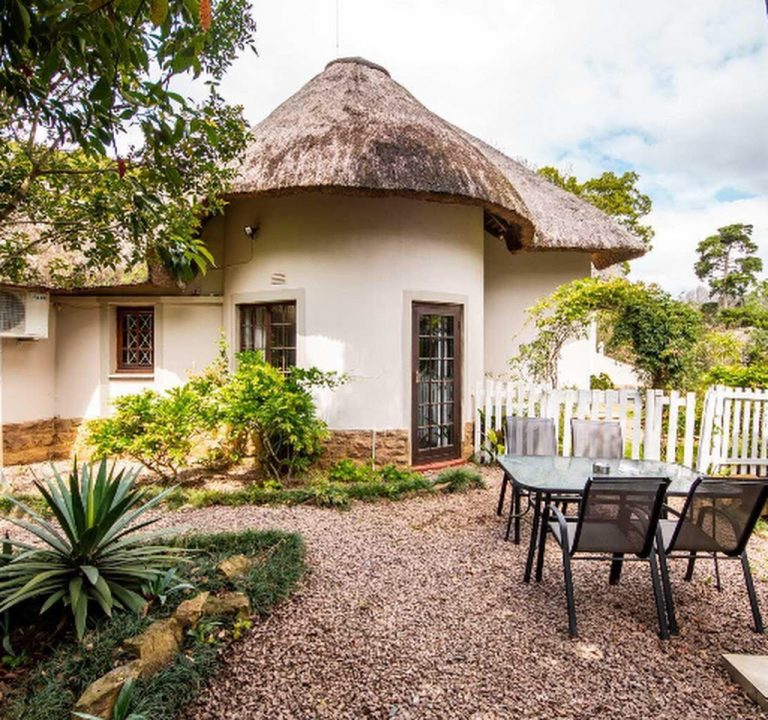
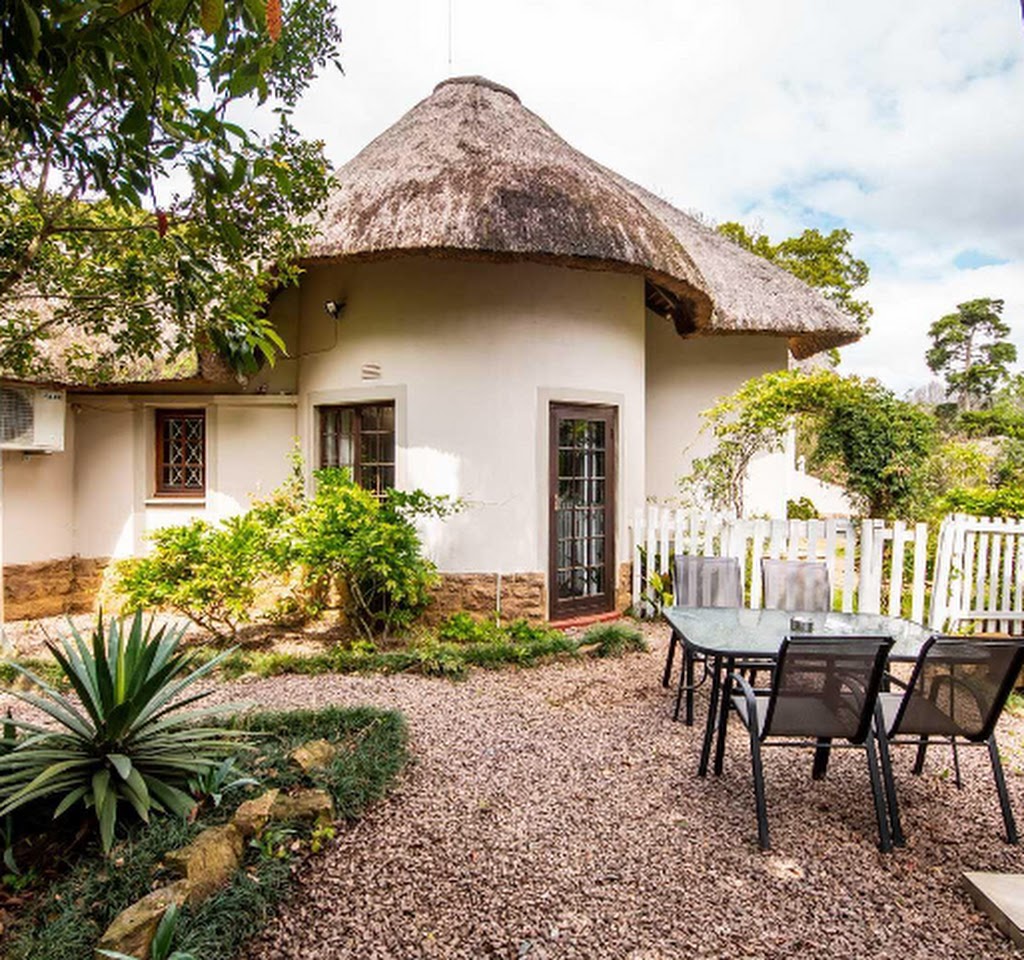
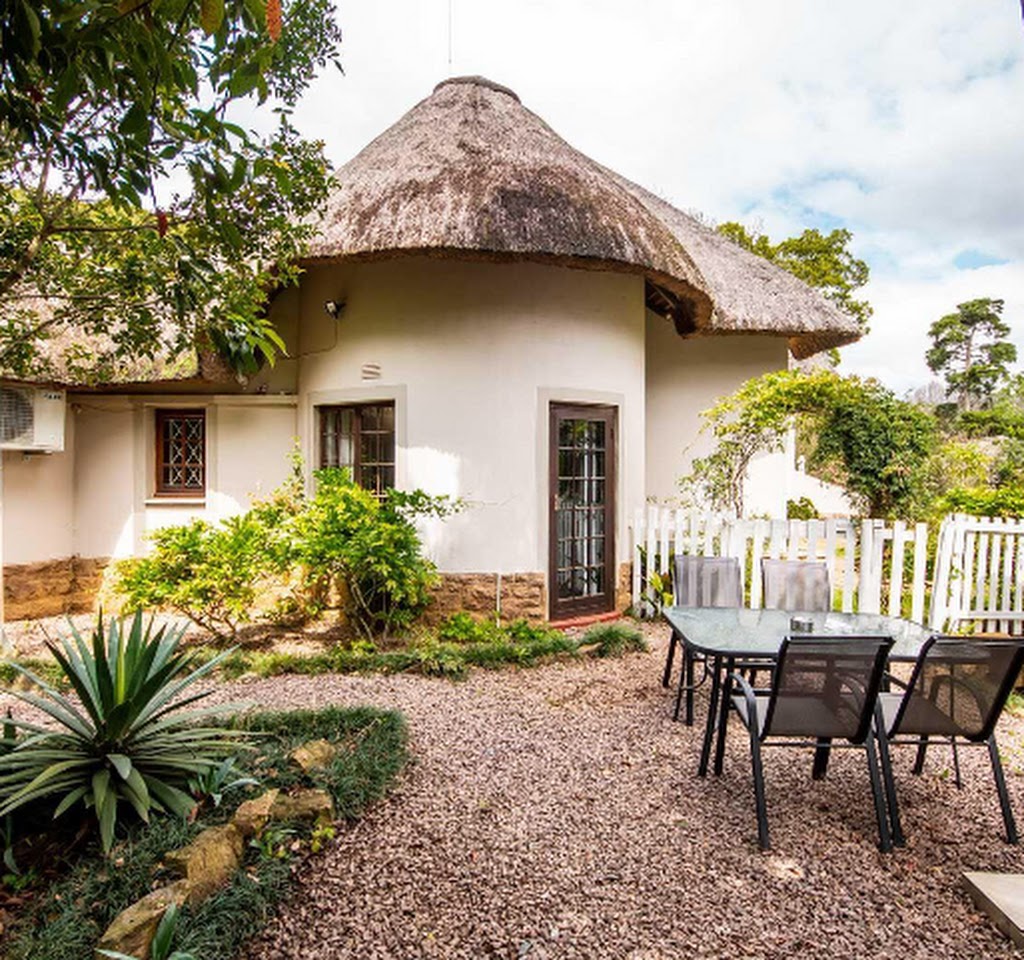
For accommodation, Durban offers a broad spectrum from intimate bed and breakfasts to stylish guesthouses and contemporary hotels. A stay at a bed & breakfast such as Sibsons House can provide a more personalised experience, including relaxed breakfasts and a sense of local hospitality that larger hotels may not replicate. Look for properties that clearly show their approach to guest comfort, whether that means an early breakfast for hardy morning plans, flexible check-in arrangements, or well-equipped rooms with private en-suite facilities.
Key areas to consider when booking include:
- Seafront and Golden Mile: easy access to beaches, promenade walks, and cycling routes. These locations are ideal for guests who want to be close to the water and the city’s coastal atmosphere.
- Berea and Morningside: usually quieter at night with leafy streets, convenient for walking to shops, cafés and casual dining.
- Umhlanga and New Town Centre: a more resort-like feel with newer accommodation, surf-ready beaches and a variety of restaurants and bars nearby.
- Durban Central: historically rich, with access to cultural sites, markets and a gateway to inland excursions.
Typical amenities to look for include reliable wifi, air conditioning or good ventilation, secure parking, ensuite bathrooms, and a comfortable breakfast service. If you are staying with family or group travel, check whether the property offers family rooms or multiple beds, and whether common areas such as lounges or gardens are available for guests. Accessibility may be important for some visitors, so note whether there are lifts, ground-floor rooms, or ramps where needed. A compact kitchen or kitchenette can be convenient for longer stays.
Transport in Durban is straightforward, though planning ahead helps. If you drive, verify parking facilities and city access. For air- and rail-connected trips, Durban is well served, with taxis, ride-hailing services and local bus networks such as the MyCiTY system offering affordable options for short hops around the city and coastal suburbs. It’s common to combine a beach day with a short drive to inland viewpoints or nature reserves, so having a car or confident access to flexible transport can widen your itinerary.
Best time to visit Durban is generally during the drier months from late autumn through winter into early spring (roughly May to September), when sea conditions are pleasant and rainfall is typically lower. However, the city’s warmth and green landscapes linger long into the year, so if you’re chasing beach time and outdoor activities, the shoulder seasons can also be rewarding. Be mindful of the humidity and afternoon thunderstorms during the summer months, and plan outdoor plans for early morning or late afternoon if the weather is hot.
When planning activities, Durban offers a mix of natural beauty, cultural experiences and family-friendly attractions. The coastline features long beaches and a modern promenade perfect for strolls, cycling and sunset views. Inland, you’ll find scenic hills and nature reserves ideal for hiking, birdwatching and photography. Cultural and historical experiences can include markets, shops and museums that reflect KwaZulu-Natal’s heritage and contemporary life. For food, expect a diverse dining scene that reflects Indian cuisine, coastal seafood traditions, and contemporary South African cooking. Beachfront eateries and casual dining districts are common, with many venues offering fresh, seasonal dishes and relaxed atmospheres suitable for groups and families alike.
Smart packing and practical tips help ensure a smooth stay. Pack comfortable footwear for streets and beaches, a light rain layer for the occasional shower, and sun protection for long days outdoors. If you’re travelling with children or elderly guests, plan rest breaks and pool or park time to balance sightseeing with downtime. Always confirm check-in and check-out times, understand the property’s guest policies, and review cancellation terms in advance. Acknowledging local etiquette and tipping norms will also help you navigate dining and service experiences with ease. For those curious about the area, a short day trip to the nearby hills or coastal towns offers a different perspective on KwaZulu-Natal beyond the city’s core highlights.
Overall, Durban provides a welcoming backdrop for a varied stay, whether you prioritise direct beach access, a quieter residential feel, or easy access to the city’s food, culture and coastal attractions. With thoughtful accommodation choices and a flexible itinerary, visitors can enjoy a relaxed, memorable visit to this part of KwaZulu-Natal.