Accommodation and Experiences in Dukuduku, KwaZulu‑Natal: A Practical Guide for Visitors
Dukuduku sits on the edge of KwaZulu‑Natal’s remarkable St. Lucia Wetlands Complex, a haven for wildlife, birdlife and a sense of peacefulness that’s increasingly rare in today’s travel‑heavy world. The surrounding area offers a range of lodging options tailored to different budgets and styles, from secluded eco‑lodges to comfortable self‑catering cottages. The region is well suited to travellers who want slow weather, wide skies and access to coastal and inland habitats without the bustle of more built‑up destinations.
When planning a stay, think about your priorities: are you here for wildlife safaris, birdwatching, restorative nature walks, or easy access to the broader St. Lucia area? Dukuduku provides a quieter base that can be paired with day trips to nearby reserves, beaches and waterways. The key to a satisfying visit is choosing a base that aligns with your preferred pace and activities, while keeping practicality in mind for transport, meal arrangements, and any guided experiences you wish to book in advance.
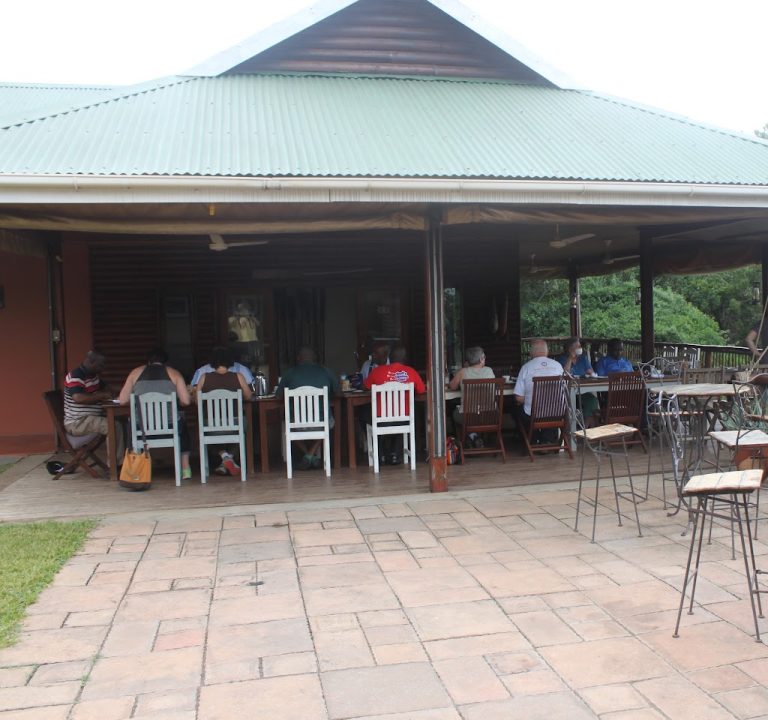
Accommodation options in and around Dukuduku tend to fall into a few clear categories. Eco‑lodges and bush camps prioritise immersion in nature, with often simple, well‑maintained en suite rooms or chalets, and a focus on minimal environmental impact. Guesthouses offer a bit more comfort and human scale hospitality, typically with shared facilities or private entrances, and a more community‑minded atmosphere. Self‑catering cottages and apartments provide flexibility for families or groups who prefer to self‑manage meals, while still being close to wildlife experiences and nature trails. For travellers who value guidance, some places arrange curated activities such as guided walks, morning safaris, or canoe excursions on nearby waters.
Typical amenities you might encounter include private verandas or patios for outdoor evenings, fans or air‑conditioning in warmer months, mosquito nets where appropriate, and well‑equipped kitchens or braai areas for traditional South African barbecues. In larger or more established properties, you may find communal lounges, a small library of nature books, and on‑site dining with a focus on seasonal, locally sourced ingredients. When booking, check the bed configuration (single beds vs doubles), the availability of reliable hot water, and whether the property offers guided activities or transfers to surrounding attractions. If you value sustainable travel, inquire about energy use, water conservation practices and any community‑based initiatives the property supports.
Transport to and around Dukuduku is best planned in advance. The area is accessed mainly by road, so a comfortable vehicle with adequate clearance for rural tracks will be advantageous. If you are staying on a property that offers transfers, a scheduled pickup from major hubs such as Richards Bay, King Shaka International Airport or the nearby towns can ease your arrival. For day trips, having your own transport or arranging guided excursions can simplify logistics, especially if you want to visit multiple nature reserves or coastal landscapes in a single itinerary.
The best time to visit Dukuduku depends on what you want to experience. The KwaZulu‑Natal coast enjoys a warm, subtropical climate, with a wetter summer season and drier winter months. Wildlife viewing is often rewarding year‑round, though migratory bird interests and certain wildlife activity can shift with the seasons. Shoulder seasons—when the weather remains pleasant but fewer visitors are in the region—can offer good value for accommodation and a quieter experience. If you are keen on birding or water‑based activities, you may want to align your trip with milder periods or specific tidal patterns that influence waterways and animal behaviour. A reliable plan is to have flexible day‑to‑day options and to confirm any guides or activities in advance where possible.
Booking tips to help you plan a smoother stay:
- Compare distances to and from your planned activities. Some accommodations sit closer to inland tracks, while others offer simpler access to coastal routes and estuarine areas.
- Ask about guided options. A knowledgeable guide can enhance your experience with safer wildlife viewing, local context and easier access to critical viewpoints.
- Clarify meal arrangements. If you prefer self‑catering, check the kitchen facilities and whether groceries can be delivered or purchased locally nearby.
- Confirm what is included in the price. Some properties include breakfast or dinner, while others offer self‑catering only. Transfers and activities often carry additional costs.
- Inquire about accessibility and suitability for children or mobility needs. Some lodges offer family‑friendly spaces, while others are better suited to couples seeking a tranquil retreat.
When it comes to food and drink, Dukuduku’s surrounding area is anchored by simple, hearty meals that celebrate local produce. Expect generous portions, well‑seasoned dishes and a casual, welcoming atmosphere in most guesthouses or lodges. While it may be possible to enjoy a sit‑down meal at your accommodation, many travellers also take the chance to explore a few nearby dining spots within a reasonable drive to sample regional flavours and fresh seafood along the coast.
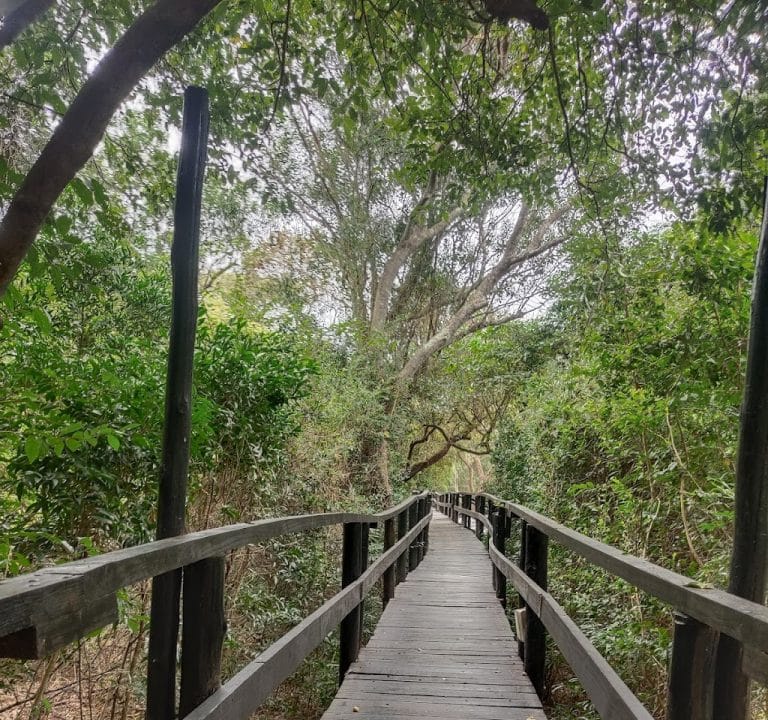
Other visitor activities to consider include nature walks through protected landscapes, canoeing or paddling on tranquil waterways, and photography‑focused excursions that capture the region’s wide skies and wildlife silhouettes. If you are visiting with family or friends, you can enjoy open spaces, quiet beaches or nature trails that suit a range of fitness levels. Be mindful of weather and wildlife regulations, and always follow local guidance for safe and respectful exploration of these delicate habitats.
In short, Dukuduku provides a gentle, nature‑led base from which to explore KwaZulu‑Natal’s coastal wetlands. By selecting accommodation that suits your pace, planning transport access, and booking guided experiences where helpful, you can craft a stay that balances relaxation with memorable outdoor adventures. A well‑planned visit to the Dukuduku area can be the perfect complement to a broader itinerary around the St. Lucia Wetlands and the wider iSimangaliso biosphere, offering a peaceful counterpoint to more active tourist hubs while still delivering rich natural beauty and a warm, hospitable South African welcome.