Accommodation and experiences in Dukuduku, KwaZulu-Natal: planning your stay and sights
Nestled in KwaZulu-Natal’s rural landscape, Dukuduku offers a blend of bush, forest and coastal access that appeals to travellers seeking a calmer pace without compromising on wildlife encounters. A stay here can feel intimate and authentic, with lodges, guesthouses and self‑catering options designed to fit various budgets and pacing. When planning a visit, consider both proximity to key natural highlights and the kind of experience you want—guided safaris, forest walks, or simply peaceful days by a pool after a morning on the road.
Accommodation in and around the Dukuduku area ranges from rustic bush lodges to guesthouses with home‑style hospitality. Some properties sit closer to the forest edges, offering easy access to early morning roars of the savannah and birdlife along the perimeters of Dukuduku Forest. Others provide more secluded settings with larger plots, private verandas and garden views. Booking platforms often show whether a property supplies meals, has a responsive on‑site staff, or offers guided activities—all useful when time is tight or you’re travelling with children or older guests.
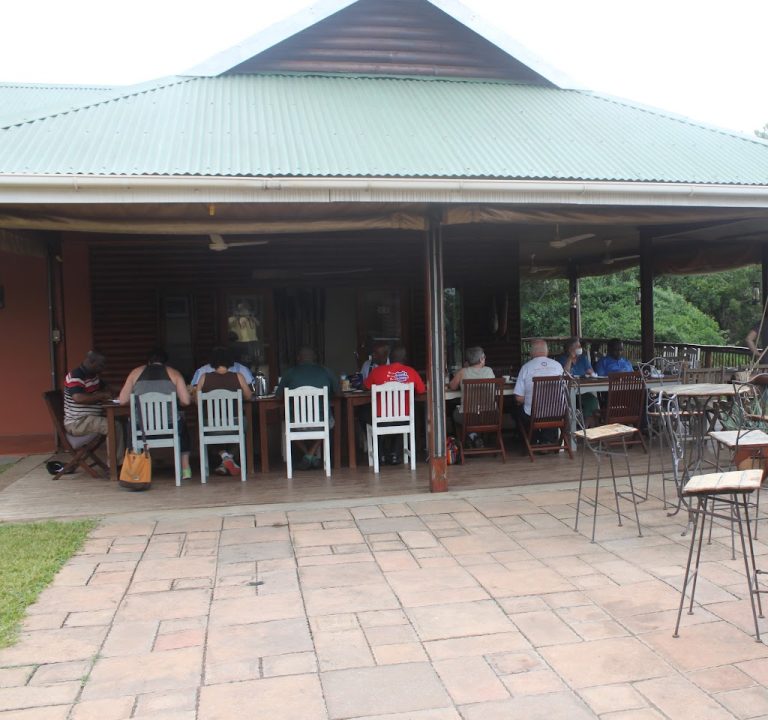
Typical amenities to look for include air conditioning or fans, reliable hot water, in‑room safety features, and a comfortable living area. Dining options at many lodges and guesthouses focus on showcasing regional flavours, with meals that may incorporate local produce or Zulu hospitality traditions. If you value conservation or community engagement, seek properties that partner with local guides or conservation projects, which can enrich your visit while ensuring your stay supports the area’s biodiversity and economy.
Transport is a key planning consideration. Dukuduku is best explored with a hire car or a private transfer arranged through your accommodation. Self‑drive gives flexibility to explore the forest trails in the early morning or late afternoon, while guided drives or walks can enhance sightings of wildlife and birds. If you plan day trips to nearby reserves, beaches or cultural centres, check with your host about the most sensible driving routes and what time to leave to avoid peak traffic or afternoon heat.
The best time to visit Dukuduku depends on what you want to experience. The dry winter months (roughly May to September) are popular for wildlife viewing, as animals congregate around remaining water sources and trails are drier underfoot. The warmer, wetter summer months (October to April) bring lush scenery and a chorus of birds, but some days can bring heavy rain and higher humidity; planning flexible activities indoors or on covered verandas can help. For birdwatchers, the shoulder seasons often yield a productive mix of migrant and resident birds.
Inevitably, some practical tips help ensure a smooth trip. Pack versatile clothing for changing conditions, including lightweight layers for mornings and evenings, sun protection, and comfortable walking shoes for forest paths. If you are prone to malaria, discuss prophylactics with your healthcare provider and follow a sensible, repellent‑heavy approach when outdoors at dusk and dawn. Cash may be handy in more rural areas where card facilities are limited, so keep a small amount in local currency for tips, snacks, or small purchases at local shops. Be mindful of safety and road conditions, especially after rain, and always follow your host’s guidance on wildlife and trail boundaries.
- Areas to consider when choosing where to stay: proximity to the forest edges for early‑morning wildlife activity; access to water features or rivers for scenic views; distance to beaches or nearby reserves for day trips; and level of seclusion versus social opportunities with other travellers.
- Booking considerations: on‑site meals and the availability of guided activities; the reliability of power and hot water; guest reviews focusing on staff warmth and responsiveness; and whether any conservation or community initiatives are part of the stay.
- What to look for in amenities: private verandas or pools, air conditioning or fans, Wi‑Fi for essential planning, and safe parking for your vehicle.
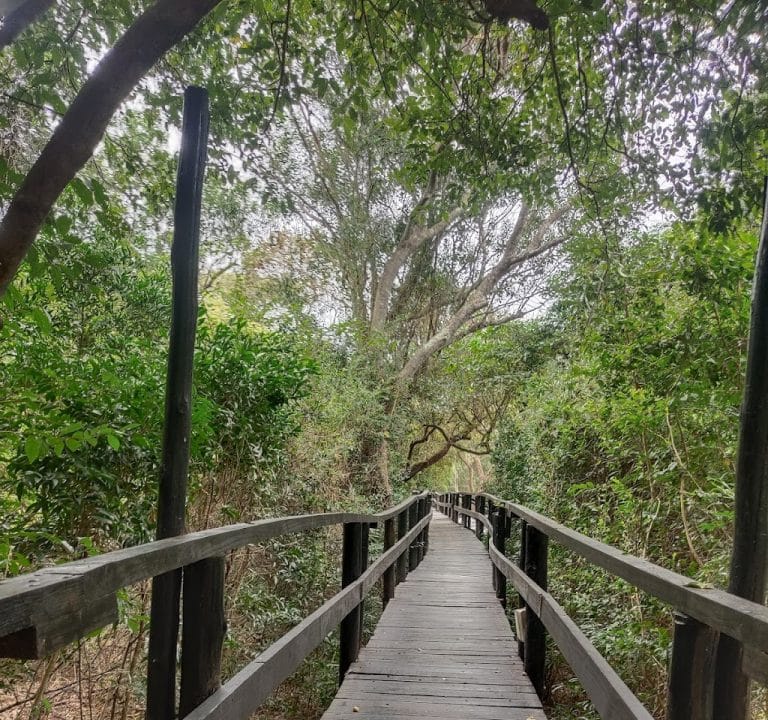
Beyond your base, Dukuduku and its surroundings offer a gentle tapestry of experiences. Expect opportunities for guided bush walks, birdwatching, and game viewing in nearby reserves, with knowledgeable guides who can interpret tracks, plants and wildlife behaviour. Forest trails provide a different flavour from savannah safaris, offering cooler shade and the chance to encounter smaller mammals and a rich plant life. For meals and evenings, many lodges offer a dining experience that reflects local flavours and ingredients, offering a convenient way to unwind after a day of exploration.
As you plan, consider supplementing your stay with trips to nearby towns and coastal areas where you can enjoy quiet beaches, markets and cultural experiences. When booking, look for official tourism resources or the websites of larger regional lodges and conservation partners for practical details on accessibility, seasonal activities, and any visitor guidelines. A well‑chosen base in Dukuduku can balance adventure with rest, enabling you to experience the region’s natural beauty without feeling rushed.
For further inspiration and ideas on complementary experiences, you may wish to browse resources from official tourism bodies or regional guides. Practical planning links to start with include national and provincial tourism portals, as well as reputable travel sites that curate outdoor and nature‑based itineraries in KwaZulu‑Natal. If you are curious about lodging that prioritises conservation or community benefit, look for properties that describe their partnerships and impact clearly on their own sites or through partner organisations.