Accommodating Dukuduku: where to stay, what to expect, and how to plan your visit
Positioned along KwaZulu-Natal’s coastline, near the Hluhluwe region, Dukuduku offers a serene base for travellers seeking nature, wildlife and a slower pace. The area lends itself to a mix of lodges, guesthouses and small hotels that emphasise comfortable, respectful stays and easy access to nearby reserves and coastal scenery. When planning a visit, it helps to balance the desire for immersion in the wild with practical considerations such as transport, activity options and dining.
Accommodation options in and around Dukuduku range from intimate guesthouses to more traditional hotel-style properties. For travellers who prioritise wildlife and a seamless blend of comfort with a sense of place, look for lodges or hotels that offer on-site or nearby guided safaris, arranged transfers, and experienced staff who can tailor activities to your interests. If you prefer a more boutique or family-friendly experience, smaller establishments with personalised service can provide insider tips on local trails, beaches, and viewpoints. Where convenient, consider staying in a lodge with a veranda or plunge pool, so you can unwind after a day of exploration without leaving the property.
One notable option to consider is a riverside or nature-focused lodge that emphasises sustainability and local engagement. Such properties often include thoughtfully designed rooms with en-suite facilities, air conditioning or ceiling fans, and reliable hot water. They may offer meal plans on-site or flexible dining options to accommodate early morning safaris or late returns from day trips. When booking, check for matters such as accessibility, parking, and the ability to organise early breakfast or packed lunches for excursions.
In terms of location, Dukuduku benefits from proximity to broader KwaZulu-Natal highlights while preserving a sense of remoteness. Consider basing yourself within short drives of key wildlife reserves, coastal viewpoints, and traditional villages where you can learn about local culture and community-led projects. If your schedule allows, plan a couple of nights within a rural setting and a night closer to the coast to maximise varied experiences without long daily transfers.
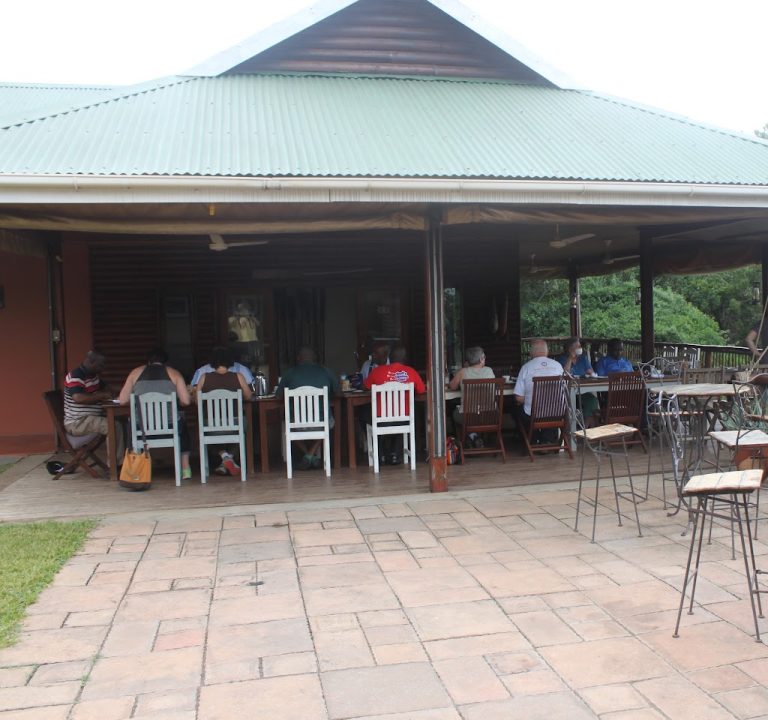
Typical amenities you may encounter include private or shared terraces with garden or river views, breakfast or meal options featuring local produce, and guest lounges that encourage quiet downtime or socialising with fellow travellers. Wi‑Fi access, secure parking, and on-site staff who can assist with itinerary planning are common in established properties. If you rely on data or maps, confirm that the property can provide reliable mobile connections or offline guidance for areas with limited signal.
Transport planning is essential. Dukuduku is best reached by car, with some properties offering airport or railway transfers from major hubs such as Richards Bay or St Lucia. Having your own vehicle gives you flexibility to visit beaches, viewpoints, and reserve gates at times that suit you. If you prefer not to drive, ask about guided day trips or private transfers, noting that some routes may involve gravel or uneven surfaces, particularly after rain. A map, clear driving instructions, and a plan for parking at the accommodation can save time and reduce stress upon arrival.
Best time to visit Dukuduku and its surrounds depends on your aims. The region experiences a warm climate with a distinct wet season. The dry winter months are particularly good for wildlife viewing, as animals tend to congregate around water sources and sightings can be easier to manage. However, the shoulder seasons can offer quieter parks and excellent photographic light, with opportunities to enjoy calmer beaches and forests. Pack layers for early mornings and evenings, a light rain jacket for the wetter months, and comfortable footwear for walking on sandy or uneven paths.
Practical planning tips for travellers who choose Dukuduku as a base:
- Book early if you are visiting during peak wildlife viewing periods or school holidays, to secure preferred rooms and guided activities.
- Clarify meal arrangements and dietary needs in advance, especially if your breakfast or dinner plans depend on early starts for safaris.
- Ask your host about craft or cultural experiences that support local communities and small enterprises—these can enrich your stay and provide meaningful interactions.
- Request information on safe walking routes and tips for wildlife safety, particularly if you plan self-guided outings near watercourses or savannah edges.
- Plan a balanced itinerary with a mix of early morning safaris, relaxed afternoons by the pool or river, and at least one coastal day if accessible.
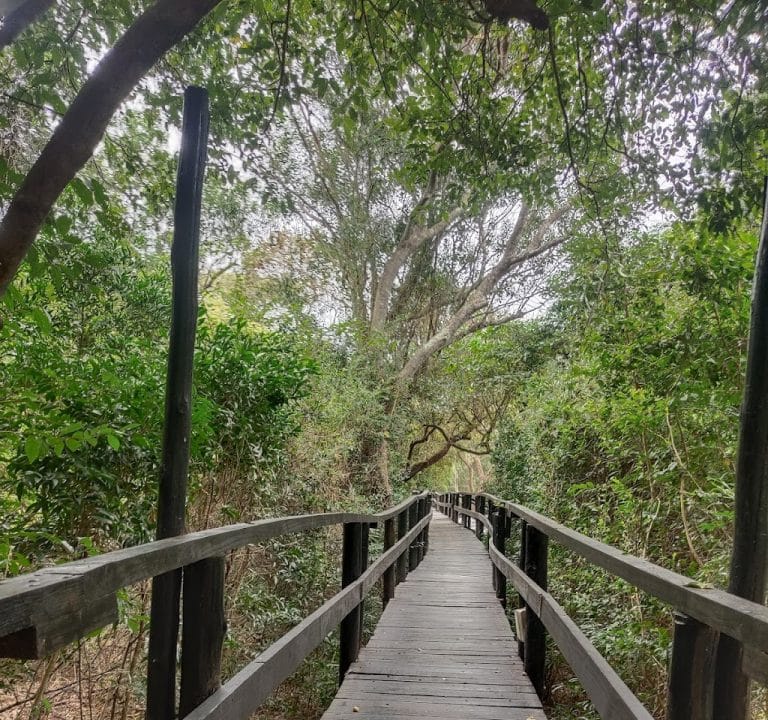
Dining in the area tends to reflect a blend of local flavours and seasonal ingredients. Expect menus that feature fresh produce and seafood where available, with a focus on uncomplicated, well-prepared dishes that suit travellers’ varied schedules. For evenings out, your host can point you toward nearby eateries or arrange private meals at your accommodation, if desired. When you have a free afternoon, leisure options include river or forest walks, birdwatching, and light treks that showcase the region’s flora and fauna without requiring strenuous exertion.
Several visitors choose to pair their Dukuduku stay with a visit to Hluhluwe RiverLodge, a well-regarded option in the broader area. Such a property often combines comfortable rooms with access to outdoor spaces and opportunities to arrange guided excursions. For more information, you can explore the property’s official website at http://www.hluhluwe.co.za/.
In summary, Dukuduku offers a compelling mix of comfortable accommodation, natural beauty, and accessible wildlife and coastal experiences. By selecting a thoughtfully located lodge or guesthouse, planning transport and timing with care, and embracing local culture and cuisine, travellers can create a balanced and memorable KwaZulu-Natal getaway that captures the spirit of this remarkable region.