Stellenbosch: where stylish stays meet world-class wine, food and scenery
Stellenbosch, in the Western Cape, is a compact university town set among a vineyard-studded landscape that invites visitors to slow down and linger. For accommodation, the area offers a range of options from contemporary city-break hotels to intimate guesthouses and full-service wine farms. When planning a stay, consider which neighbourhood best suits your pace and interests: the historic town core for easy strolls to boutiques and eateries; the wine-farm belt on the outskirts for spacious grounds, vineyard walks, and on-site dining; or the newer visitor hubs near express routes to the broader Cape Town metro area and attractions of the valley. A well-chosen base can save time and amplify your experience of the Cape winelands.
In Stellenbosch, many hotels and guesthouses blend modern comfort with the region’s rustic charm. Expect well-appointed rooms, free Wi‑Fi, generous breakfast offerings, ample parking, and access to outdoor spaces. Some properties feature wellness facilities, such as spa areas or heated pools, while others focus on farm-life immersion with gardens, strolling paths and farm-to-table dining. When selecting a place to stay, look for: a clear cancellation policy, parking availability, accessibility options if needed, proximity to trusted transport links, and a range of dining options either on-site or nearby. If you’re touring wine farms, consider properties with easy access to self-guided routes, or with knowledgeably curated itineraries and concierge services to arrange tastings or guided cellar tours.
Transport is straightforward but worth planning. If you’re driving, check access to vineyards along routes such as the Stellenbosch Valley or the Bodrum-style grape-growing corridors; many farms welcome guests with ample parking and simple signposting. For those who prefer not to drive, some accommodation providers organise transfers, and several wine farms have on-site restaurants and tasting rooms that can minimise the need to travel after a day’s tasting. In town, compact streets and pedestrian-friendly paths make daytime exploration pleasant, and numerous eateries line the central boulevards, offering a range of cuisines alongside traditional South African hospitality.
Best time to visit Stellenbosch depends on what draws you. The summer months (November to March) are ideal for outdoor dining, river and dam walks, and long days in the vineyards. Autumn (April to May) brings harvest season with softer light and fewer crowds, often a gentler pace for sightseeing and shopping. Winter (June to August) can be cooler and wetter, but it’s also when you’ll find atmospheric wine-tasting rooms, cosier dining nooks, and potential value deals outside peak periods. Spring (September to October) offers pleasant weather and fresh garden blooms, perfect for walks along estate grounds and nature trails. Arranging a flexible itinerary lets you adapt to the day’s weather and vineyard schedules.
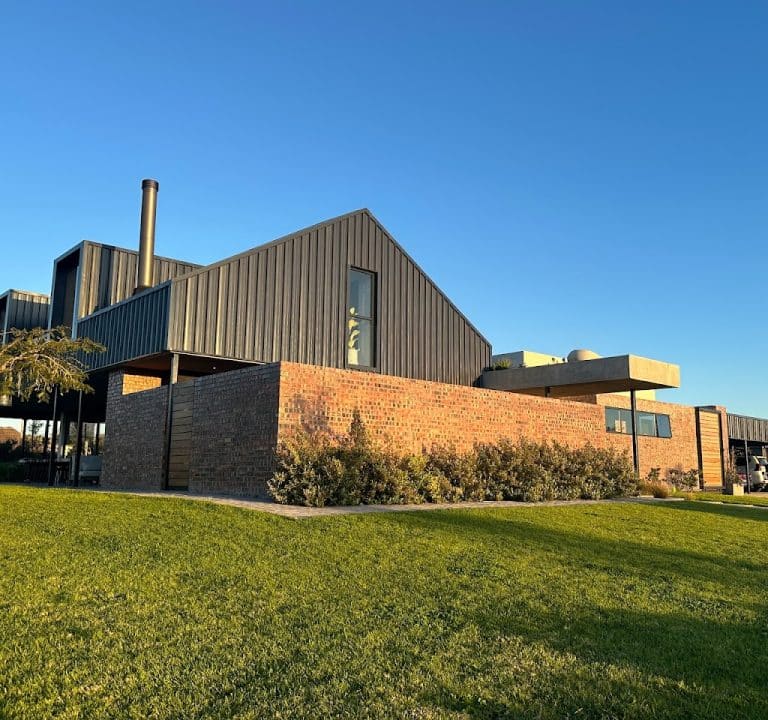
Typical hotel and guesthouse amenities you can expect include en-suite bathrooms, tea and coffee facilities, air conditioning or underfloor cooling, secure parking, and sometimes private verandahs or garden access. Many wine-farm properties foreground design that harmonises with the landscape – light-filled spaces, local materials, and quiet corners for reading or relaxing. Spa facilities are a common feature on larger estates, and several properties offer dedicated wellness programmes, yoga classes, or private bathing rituals in a serene setting. If you’re travelling with family or friends, look for properties that offer in-room configurations suitable for groups, as well as shared spaces such as lounges, terraces, and outdoor pools.
When it comes to dining, Stellenbosch runs from formal tasting-menu experiences on wine farms to casual bistros and street-side cafés. A notable approach across many properties is soil-to-plate dining where ingredients are grown on site or sourced from nearby regenerative farms. Even if you don’t stay on a wine farm, you’ll find restaurants that emphasise seasonal produce, artisanal breads, and regional wines. If you’re exploring further afield, a well-curated itinerary can pair vineyard visits with art installations, food markets, or scenic nature trails, ensuring a balanced day of culture and landscape.
Accommodation planning tips:
- Book ahead for peak seasons, especially around harvest time, public holidays, and school breaks.
- Check whether your stay includes access to walking or biking routes, tastings, or spa facilities, and whether these are complimentary or paid.
- Ask about early breakfast options or packed lunches if you’ll be heading out for day trips to the surrounding towns and estates.
- Look for properties with flexible dining options, especially if you have dietary requirements or prefer light meals after wine tasting.
- Consider a multi-night stay to allow time for both town exploration and vineyard visits without rushing between venues.
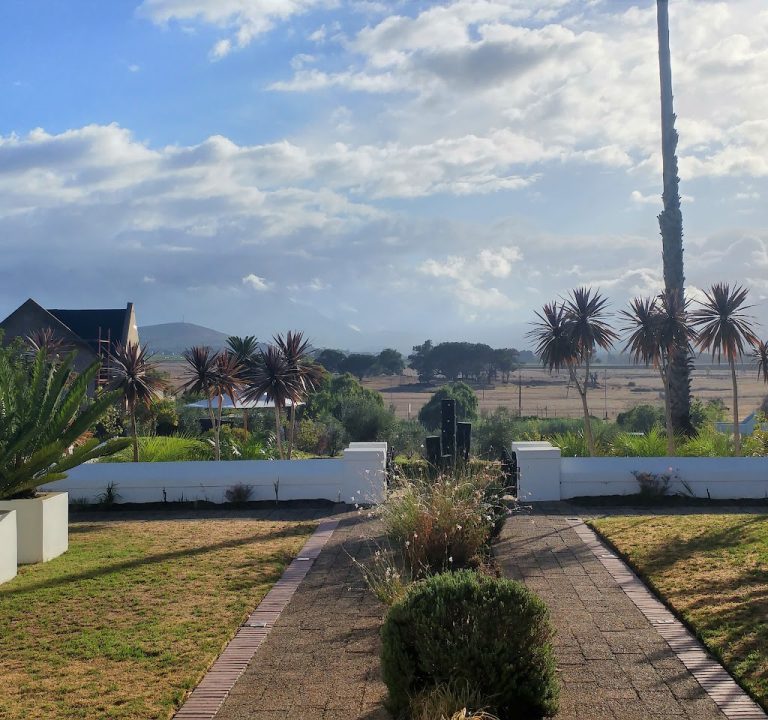
For a representative example of what a Stellenbosch stay can offer, properties on wine farms often combine stylish bedrooms with landscaped gardens, river-adjacent settings, and on-site dining venues serving seasonal menus. Guests may enjoy activities such as Segway vineyard tours, guided farm walks, cycling around the estate, and art installations that complement the landscape. In addition to wine tastings, spa experiences and wellness facilities can provide a comforting balance after days spent outdoors. Planning in advance, with a flexible mindset and an outline of priorities—winery visits, spa time, or cultural stops—will help you craft a memorable Stellenbosch itinerary. For further inspiration and options, you can explore the official sites of local estates and their stay-and-plan pages, which often feature guest information, seasonal packages, and practical visiting tips.