Exploring Stellenbosch: accommodation options, attractions and practical tips for a visitor-friendly stay
Stellenbosch, in the Western Cape, offers a charming mix of historic architecture, rolling vineyards and a thriving culinary scene. When planning a stay, travellers often prioritise comfortable accommodation with easy access to both the town centre and the surrounding wine routes. The town centre itself is compact and walkable, making it ideal for guests who want to explore galleries, boutiques and cosy cafés on foot. For a more tranquil break, the foothills and neighbouring valleys provide guesthouses, lodges and boutique hotels that combine scenic surroundings with warm hospitality.
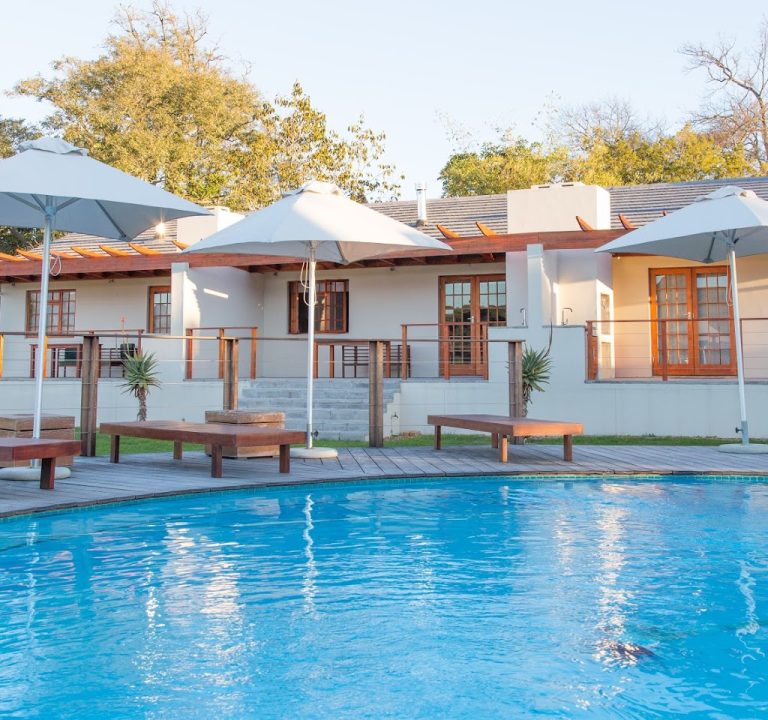
Accommodation in Stellenbosch ranges from intimate guesthouses to refined boutique hotels and country estates. Many options are housed in renovated Victorian or Cape Dutch buildings, offering period charm alongside modern conveniences. For those seeking a home-from-home atmosphere, guest houses and lodges often emphasise personalised service, with hosts who can point travellers to local experiences, from guided walks and wine tastings to personalised tasting menus. A notable example is Cultivar Guest Lodge, a guest house known for its thoughtfully designed rooms and gardens, which can serve as a peaceful base for exploring the region. For more information, visit the property’s website at Cultivar Guest Lodge.
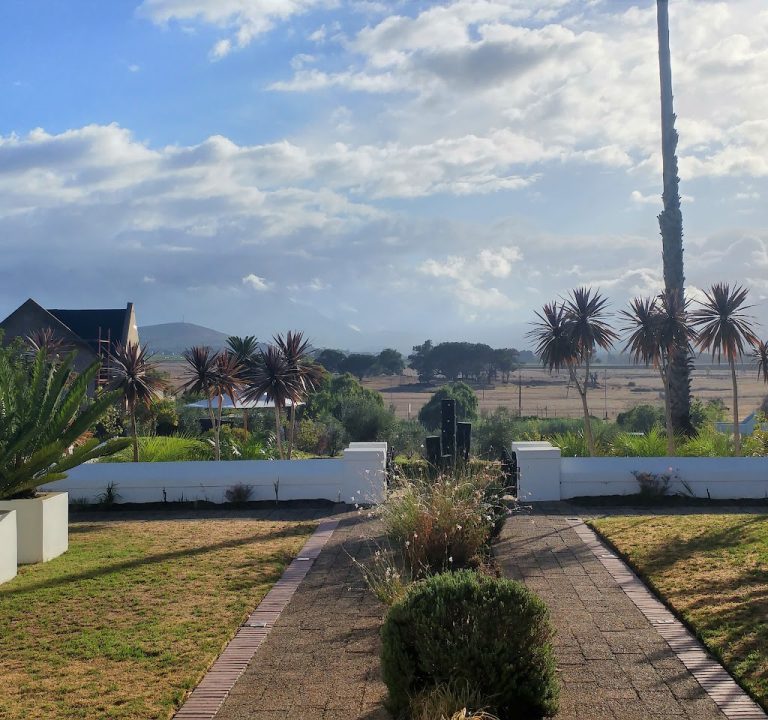
Areas to consider when choosing where to stay include the town centre for proximity to restaurants, shops and cultural sites; the historic university precinct, which provides a youthful energy and greenspace; and the wine valleys surrounding Stellenbosch, such as Devon Valley, Bottelary, and surrounding hills, where estates offer cellar door experiences and panoramic views. If you prefer a rural setting with vineyard views, consider estates just outside the town that provide spacious rooms, outdoor seating and often a sense of seclusion without sacrificing access to amenities.
Typical amenities to look for include private bathrooms, reliable Wi-Fi, secure parking (important if you plan to hire a car), and easy check-in/check-out processes. Many properties offer a light breakfast or a full farm-style breakfast, and some have on-site dining rooms or partnerships with local eateries. Outdoor spaces are highly valued in Stellenbosch, whether it’s a sunlit courtyard, a garden setting for a morning coffee, or a balcony with views over vineyards. If you’re visiting in peak season, enquire about room allocation and dining times to ensure a smooth schedule around wine tastings and activities.
Transport options in Stellenbosch are flexible but owning a car makes exploring the wider region simpler. Parking is typically available at guest houses and hotels, though spaces can be limited in the town centre. For day trips to nearby wine estates or Nature reserves, a car offers the greatest freedom. Local taxi services and ride-hailing apps are useful for evenings out in town. Some accommodation options can arrange transfers or guided tours, which can be a convenient way to sample multiple estates without worrying about planning routes or driving after tastings.
The best time to visit Stellenbosch is during the spring (August to October) and autumn (February to April), when the weather is mild and landscapes are vibrant with colour. Winter can be cooler and wetter, while summer attracts visitors to al fresco dining and outdoor activities. If you’re planning wine tastings, keep in mind that wine estate experiences may operate seasonally, and many estates require advance bookings for tours or tastings, even more so on weekends and during holidays.
When planning your itinerary, balance wine-tasting days with cultural and outdoor activities. The town’s historic core offers museums and walking tours that shed light on the area’s colonial and agricultural history. A botanical garden provides a pleasant alternative for those who enjoy a leisurely stroll among indigenous plants. For nature lovers, nearby mountains and nature reserves offer hiking and scenic viewpoints, with routes ranging from easy strolls to more challenging trails. Food lovers can enjoy a range of restaurant styles, from casual cafés to refined eateries that highlight local ingredients and global influences. While the regional reputation is built on wine, many places also focus on farm-to-table dining, artisanal products and wine-paired menus that showcase the flavours of the Western Cape.
To help you plan ahead, consider the following tips:
- Book accommodation with flexible cancellation policies in peak seasons to accommodate changing travel plans.
- Check whether your chosen property includes breakfast or dinner options, and what time meals are served.
- Ask hosts for recommendations on wine estates with smaller, intimate tastings or guided cellar tours.
- Reserve popular experiences and estate visits in advance, especially on weekends and public holidays.
- Pack layers for variable weather, as coastal influences can bring cooler evenings, even in warmer months.
For further inspiration and to tailor your stay, explore official tourism pages and the websites of individual accommodation providers. If you’d like a curated base with thoughtful touches and garden surroundings, Cultivar Guest Lodge represents a comfortable option to consider in the Stellenbosch area. For more details, visit their website at Cultivar Guest Lodge.