Stellenbosch at a Glance: Where to Stay and What to Do
Stellenbosch, in the Western Cape’s wine country, is famed for its charming Cape Dutch heritage, leafy Wynberg streets, and a vibrant university town atmosphere. When planning a stay, travellers will find a wide range of accommodation to suit different styles and budgets, from intimate guesthouses and self‑catering cottages to boutique hotels and lodge-style retreats. The town’s compact centre makes it easy to explore on foot, while nearby vineyards and the surrounding countryside beckon for day trips and scenic drives.
Areas to consider when choosing a base:
- Centre and Dorp Street: For a quintessential Stellenbosch experience, stay near the historic centre. You’ll be within easy reach of galleries, cafés, and the university’s culture and dining spaces, with architecture that reflects the town’s heritage.
- Warmbokke Bay and the northern outskirts: If you prefer a more relaxed, residential feel with wider views and quicker access to vineyard routes, consider accommodation on the outskirts or along the scenic corridors leading into the winelands.
- Winery belt and Stellenbosch Hills: For wine lovers, staying within or adjacent to vineyard estates can offer a tranquil setting, opportunities for early tastings, and sometimes on-site dining with views over the vines.
- Southern fringe and neighbourhood villages: A short drive from the town centre, these areas often provide a mix of guesthouses and boutique stays with a more rural ambience and easy access to outdoor trails.
What to look for when booking:
- Size and style: Decide whether you want a cosy guesthouse with personalised service, a self‑catering cottage for flexibility, or a stylish boutique hotel with on‑site dining and spa facilities.
- Amenities: Common Wants include reliable Wi‑Fi, secure parking, air conditioning, a well‑ stocked breakfast, and easy access to transport links for vineyard tours or trips to the coast.
- Location advantages: Proximity to the town centre, wine estates, or main roads can influence daily planning, especially for winery visits and restaurant reservations.
- Cancellation and policy details: Check payment terms, breakfast options, and access to late check‑in or host recommendations for day trips and local experiences.
- Accessibility: If mobility is a consideration, look for properties with step‑free entry, ensuite bathrooms, and convenient lift access where applicable.
Typical amenities you may encounter:
- Comfortable en‑suite bedrooms with stylish decor and good natural light.
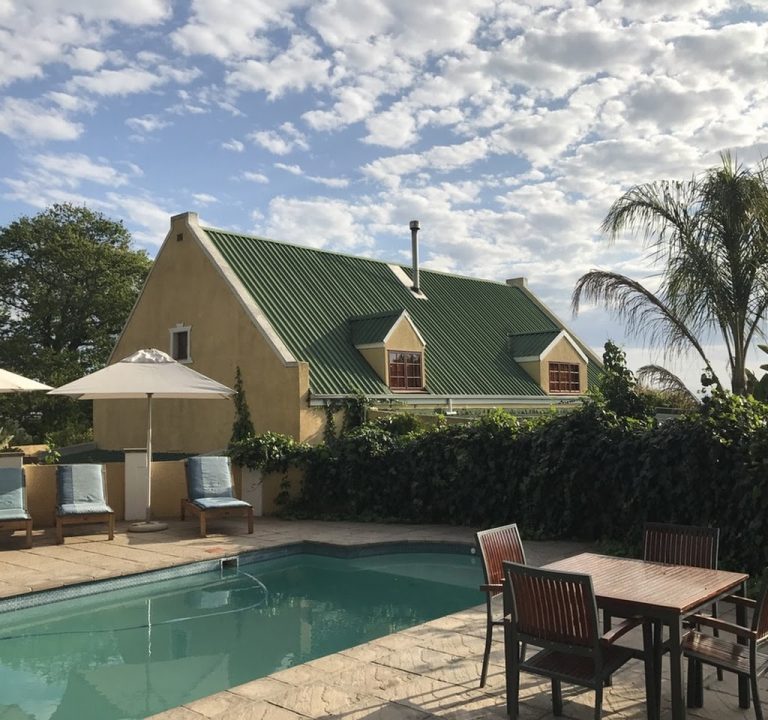
- Guest areas such as lounges, verandas, or garden spaces for relaxing after a day of exploration.
- On‑site dining options or easy access to nearby eateries offering a mix of local flavours and international dishes.
- Outdoor spaces for sunbathing, barbecues, or sunset wine tastings, depending on the property.
- Helpful guest services, including concierge support, guided tour recommendations, and secure parking.
Transport and getting around:
Stellenbosch is pedestrian‑friendly in the town centre, with most attractions within a short stroll of many accommodation options. If you plan winery visits or day trips to the coast, consider renting a car or booking a guided tour vehicle. Public transport is limited within the winelands, so arranging transfers in advance can save time. For train enthusiasts, the nearby coastal rail routes offer scenic alternatives, but for day-to-day travel, a vehicle tends to be the most convenient option.
Best time to visit and practical tips:
- Spring (September to November) and autumn (March to May) are popular for pleasant temperatures, with blooming gardens and harvest season energy in the winelands.
- Summer (December to February) brings warm days ideal for outdoor dining and vineyard days, but be prepared for higher temperatures and occasional peak‑season crowds.
- Winter (June to August) is cooler and can be misty in the mornings, offering a cosy retreat vibe with indoor fires and wine tastings indoors or by a heated veranda.
- Plan ahead for winery tastings and fine dining: many establishments in Stellenbosch require reservations, particularly during peak periods.
- Pack adaptable clothing: mornings and evenings can be cool, with warmer afternoons on sunny days.
- Respect local etiquette and the environment: many guesthouses prioritise sustainability, so consider energy‑saving habits, recycling, and supporting local producers.
Where to rest your head and how to plan your stay:
While Stellenbosch offers a spectrum of lodging, the strongest value lies in choosing accommodation that aligns with your travel rhythm—whether it’s a quiet countryside stay with easy vineyard access, or a central base that keeps you close to galleries, cafés, and the university’s cultural calendar. A balanced itinerary might include a couple of winery visits, a stroll through the historic streets, a relaxed lunch or dinner at a restaurant with views of the surrounding hills, and perhaps a day trip to nearby towns or the coast. For those seeking more structure, many venues can arrange guided walks, tasting experiences, and chef‑led menus to enhance a stay in this quintessential South African wine town. For more inspiration and practical planning, visit the local tourism resources such as the official Stellenbosch tourism site.