Stellenbosch: where wine, history and warm hospitality create a memorable stay
Stellenbosch in the Western Cape blends historic charm with acclaimed winelands scenery, making it a versatile base for travellers seeking culture, cuisine and easy access to nature. The town offers a range of accommodation styles, from boutique guest houses and guest farms to modern hotels, each with a distinct character rooted in Cape Dutch architecture and a neighbourly pace that encourages longer stays. If you are planning a visit, consider a mix of areas to maximise your experience: the historic core for heritage and strolling, the surrounding wine routes for day trips, and convenient neighbourhoods near the university for a lively, younger vibe.
Where you stay can shape your daily rhythm. The central block around Church Street and the town square is compact and walkable, with easy access to eateries, galleries and historic sites. For a more rural feel, opt for a guest farm or boutique guest house on the outskirts, often nestled among vineyards and olive groves with tranquil views and extended breakfast menus. When booking, think about proximity to the main wine farms you wish to visit, as some tours operate from central hubs while others are best reached by car or organised transport. If you prefer a quieter retreat, a property set within a vineyard valley can provide morning birdsong, sunset terraces and a sense of space that complements wine-touring itineraries.
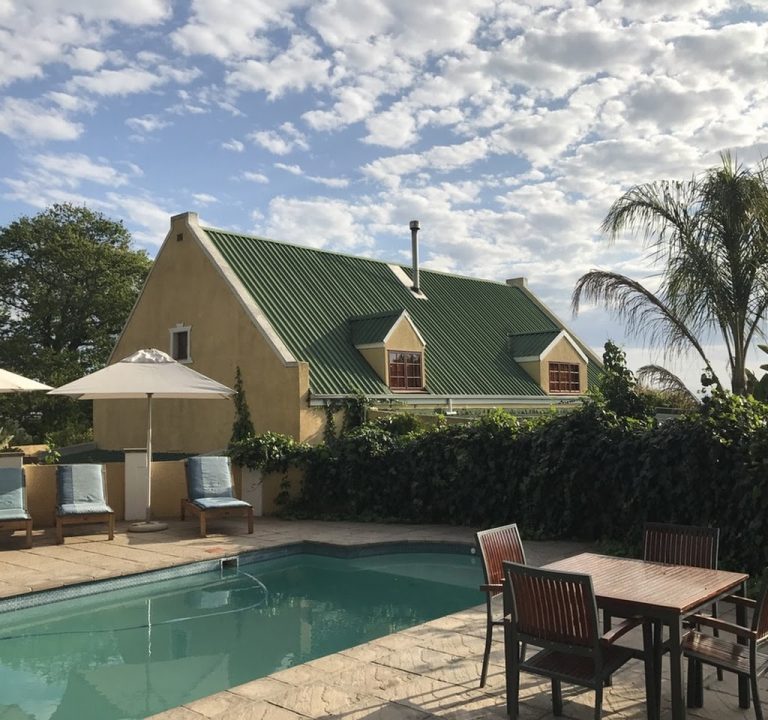
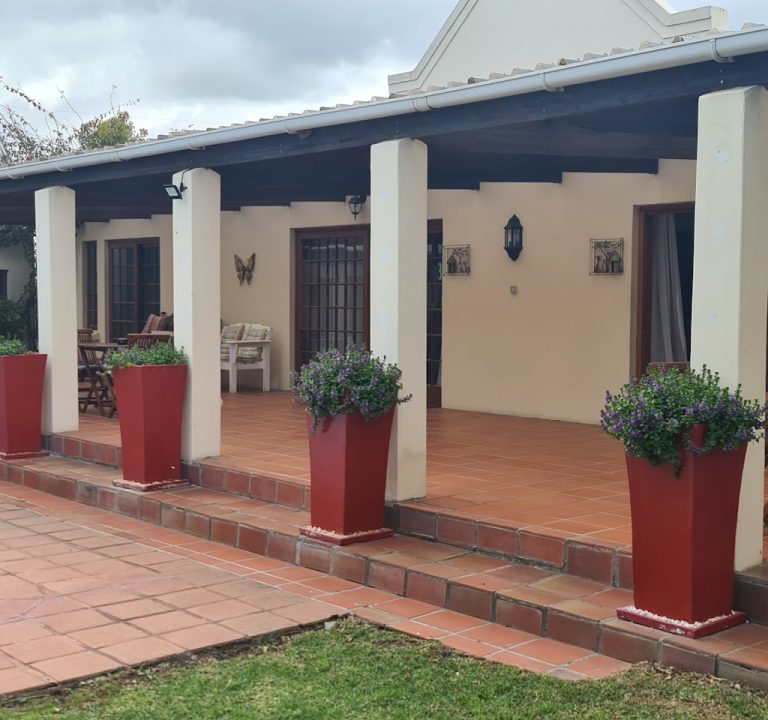
Typical amenities in Stellenbosch accommodation tend to reflect the climate and lifestyle of the region. Expect en-suite rooms, comfortable lounge areas, and outdoor spaces such as courtyards or terraces where guests can relax with a glass of wine. Many guest houses and guest farms offer generous breakfasts featuring local produce, and some provide additional touches like outdoor seating, pool areas, and small libraries or guest lounges. When researching options, verify whether parking is included, whether the property offers bicycle storage or electric vehicle charging, and if there are on-site dining facilities or partnerships with nearby eateries. If you are travelling with family or a group, look for configurable rooms, family-friendly spaces, and accessible routes where possible.
Getting around Stellenbosch is straightforward with a car or organised tours. The town is largely walkable in the historic core, but winery visits usually require transport. If you do not drive, many guest houses can arrange transfers or recommend reputable shuttle services. For day trips, you might plan to visit one or two wine estates with scenic drives, perhaps include a cellar tasting, and then return for a relaxed dinner in town. For those who enjoy cycling, several roads and paths are popular with cyclists, offering gentle routes through vineyards and alongside the scenic Jonkershoek Valley. If you prefer public transport, note that services are limited in some areas, so confirm transfer options with your host before arrival.
The best time to visit Stellenbosch depends on what you want from your trip. Spring (September to November) and autumn (March to May) deliver mild weather, blooming vines and pleasant sightseeing conditions. Winter can be cooler and wetter, but cosy guest houses and fireside living rooms create a different kind of charm, while summer brings longer days and lively markets in town. Weekends outside peak holiday periods tend to be calmer, making it easier to visit popular attractions with fewer crowds. If you enjoy wine tastings and outdoor dining, plan around sunrise and late afternoon slots when valley light is especially beautiful.
Attractions and experiences in general terms include exploring the historic town centre with its Cape Dutch façades, visiting local galleries and museums, and sampling regional cuisine at a range of restaurants and bistros. The Stellenbosch University campus adds a scholarly atmosphere and often hosts public events, while a drive through the surrounding winelands reveals broad scenery of vines, fynbos and mountains. For a relaxed day, consider a combination of a cellar tour, a riverside walk and a casual meal at a restaurant with views of the valley. There are also nature reserves and viewpoints nearby for short hikes or gentle walks, depending on the season and weather.
One example of accommodation you may encounter in Stellenbosch is a guest farm or guest house with a strong sense of place. For travellers seeking a hospitable stay with easy access to vineyards, you might explore options similar to Linquenda Guest Farm, a guest house that embodies farm-style charm while offering a convenient base for exploring the region. You can learn more about such properties and their offerings on their official website: Linquenda Guest Farm.
- Areas to consider: historic centre for proximity to sights; vineyard belts for tranquillity; near the university for a lively atmosphere and academic events.
- What to look for when booking: en-suite facilities, reliable breakfast options, parking, accessibility, and a clear plan for transfers or tours.
- Typical amenities: outdoor spaces, pools or gardens, wifi, secure parking, easy restaurant access, and staff recommendations for local experiences.
- Transport tips: organise a car or trusted transfers for winery visits; check whether bicycles are offered or available; confirm routes to key estates.
- Best time to visit: spring and autumn for comfortable weather and vibrant scenery; plan around wine harvests if your schedule allows.
Whether you are drawn by wine, history or outdoor beauty, Stellenbosch offers welcoming stays and experiences that suit a range of itineraries. By choosing accommodation with thoughtful amenities, clear transport options, and a location that aligns with your planned activities, you can enjoy a relaxed, well-structured visit to this iconic part of the Western Cape. And when you return from a day of exploration, you’ll find warm hospitality that enhances the sense of having discovered a cherished corner of South Africa.