Accommodation and Getting the Most from a Stay in Cape Town, Western Cape
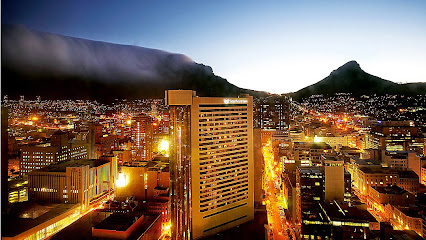
Cape Town is a city of contrasts, where coastal scenery, modern neighbourhoods and historic streets converge. Planning a stay here means weighing different areas, each offering its own character, access to sights and sloping hills with fabulous views. When selecting a place to stay, look for comfort and practicality in equal measure: accessible transport options, nearby dining and amenities, and a base that suits your itinerary—whether you favour beach days, urban exploration, or mountain adventures.
Popular neighbourhoods for visitors include the harbour precinct and V&A Waterfront for easy access to ferries, museums and strolls along the harbour. The City Bowl, with its mix of boutique guesthouses and stylish hotels, offers easy walks to restaurants, markets and culture. Camps Bay and Clifton present beachfront leisure, but can be busier in peak season. Green Point and the Atlantic Seaboard are well connected for trips to tables and coastal views, while the Constantia Valley provides wines and tranquil gardens within a short drive. Consider what you most want to see each day, and choose a base that minimizes long transfers while keeping you close to the activities you enjoy.
When booking, pay attention to the following practicalities:
- Transport and access: A car offers flexibility for day trips to the Cape Peninsula, Cape Point, and neighbouring towns, but many areas are well served by Uber, metred taxis and organised tours. If you plan to stay within a compact area, a centrally located hotel or guesthouse can reduce transfer times and increase sightseeing opportunities.
- Amenities you’ll use: Look for on-site dining, secure parking, reliable wifi, laundry facilities, and a comfortable workspace if you need to catch up on emails between adventures. Pools and terraces are especially welcome on hot days, while well‑equipped kitchens or kitchenettes can help with relaxed self-catering.
- Room types and views: Sea views or mountain-facing rooms can dramatically alter your experience. Check for noise levels if you’re in a busy district, and consider a room with blackout curtains if you’re sensitive to daylight.
- Safety and accessibility: Read recent guest reviews for insights on safety, lighting, and accessibility. Bushy routes or steep stairs may require advance planning if mobility is a concern.
- Best time to visit: Cape Town enjoys a mild climate, but the summer months (December to February) are busy with holidays and outdoor events. Spring and autumn offer pleasant weather and fewer crowds, while winter can bring occasional rain but lower prices and quieter streets.
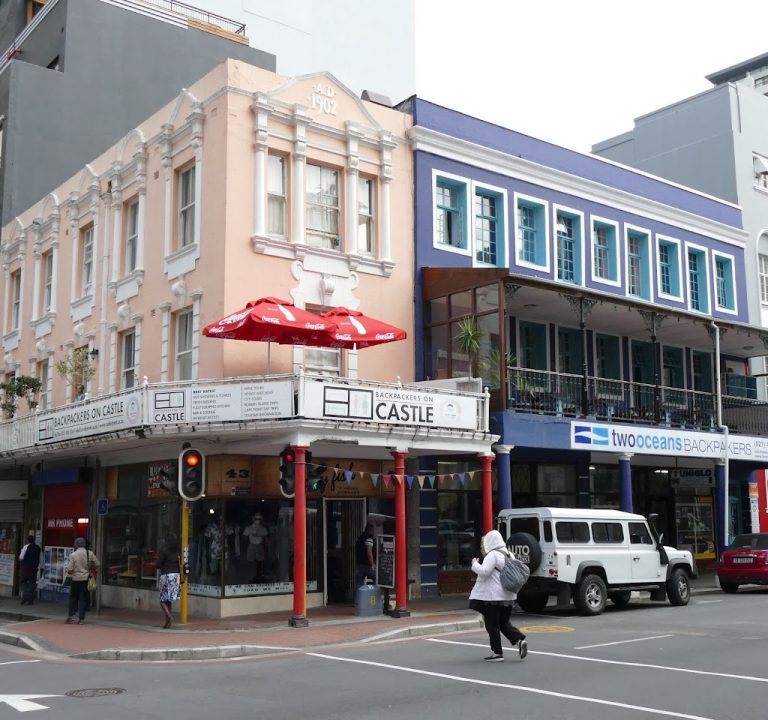
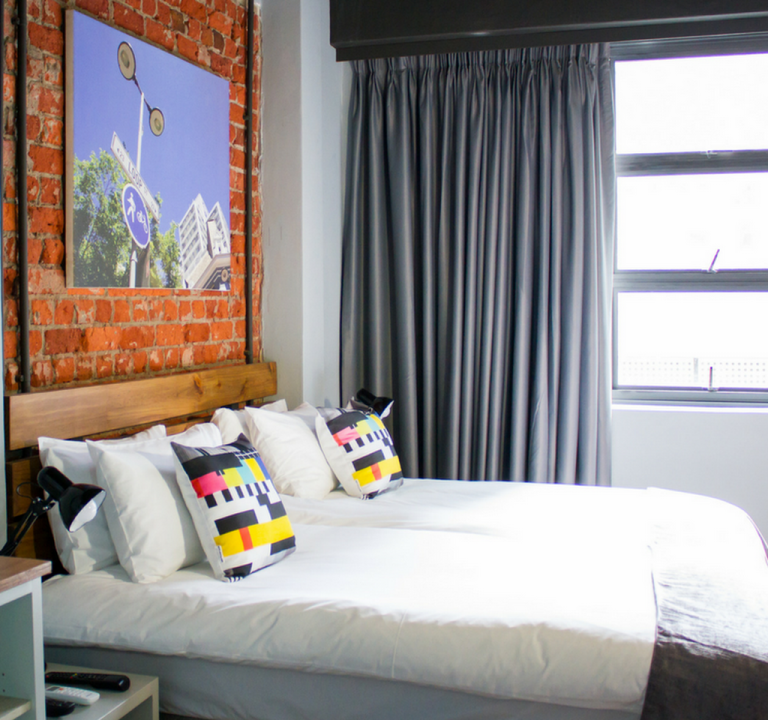
For a stay that blends convenience with comfort, consider a modern hotel in a well-connected district such as the harbour area, or a boutique guesthouse in the City Bowl or Green Point. A reputable hotel in Cape Town will typically offer facilites such as air‑conditioning, daily housekeeping, secure access, and staff who can help with local recommendations, restaurant bookings, and day trips. If you prefer a more intimate experience, a guesthouse or boutique lodge can provide personalised service, often including a dedicated host who can tailor activities to your interests.
To plan your days, keep a flexible yet structured approach. Start with a couple of “anchor” mornings at must-see spots—perhaps a cable car ride up a mountain for panoramic views, a boat trip to nearby islands, or a historic walk through a neighbourhood with markets and cafés. Reserve a few afternoons for exploring the coastal paths, beaches and viewpoints along the Atlantic Seaboard or the False Bay coast. In the evenings, you’ll find a range of dining options from casual bistros to more formal restaurants; many venues offer tasting menus that showcase local produce and seafood. When choosing a restaurant, consider booking ahead during peak season and leaving room for a sunset visit to a rooftop or coastal terrace to capture the city’s excellent light and skyline views.
Child-friendly and accessible activities abound, from interactive museums to nature reserves and gentle coastal walks. For nature lovers, the surrounding region offers rugged coastline and wine country landscapes within a short drive, with family-friendly farms and gardens that provide space to roam. If you’re curious about the city’s history, guided walking tours or curated museum experiences can enrich your understanding of Cape Town’s diverse communities and its road to modernity.
Accommodations can range from robust, business-friendly hotels to stylish, characterful lodges. One example is a central hotel that offers convenient access to key sights, a well-equipped gym, and a restaurant that showcases local produce. Such properties also frequently provide business facilities and meeting spaces, should you be combining leisure with work. For those seeking a branded stay with a reliable standard, a well-known hotel group with a Cape Town flagship often emphasises comfort, attentive service and convenient locations close to transport and dining options. More boutique options, meanwhile, tend to emphasise design, personal touches and a sense of place that reflects Cape Town’s coastal and mountain scenery.
To finish your planning, assemble a practical one-page checklist: confirm your base location and travel time to major sights, check the forecast and pack accordingly, arrange a flexible itinerary with room for spontaneous discoveries, and secure any essential bookings in advance—particularly for peak-season visits and sought-after experiences. For more information on specific properties and availability, you can explore the official hotel websites, review platforms, and trusted travel resources. A well-chosen base in Cape Town can open up a world of attractions, from coastal adventures to cultural experiences, all within easy reach of great food, scenic viewpoints and welcoming service.
Note: For a concrete example of a centrally located option with easy access to many sights and activities, you may wish to visit the official site of Southern Sun Cape Sun, which outlines its accommodation features and location within the city.