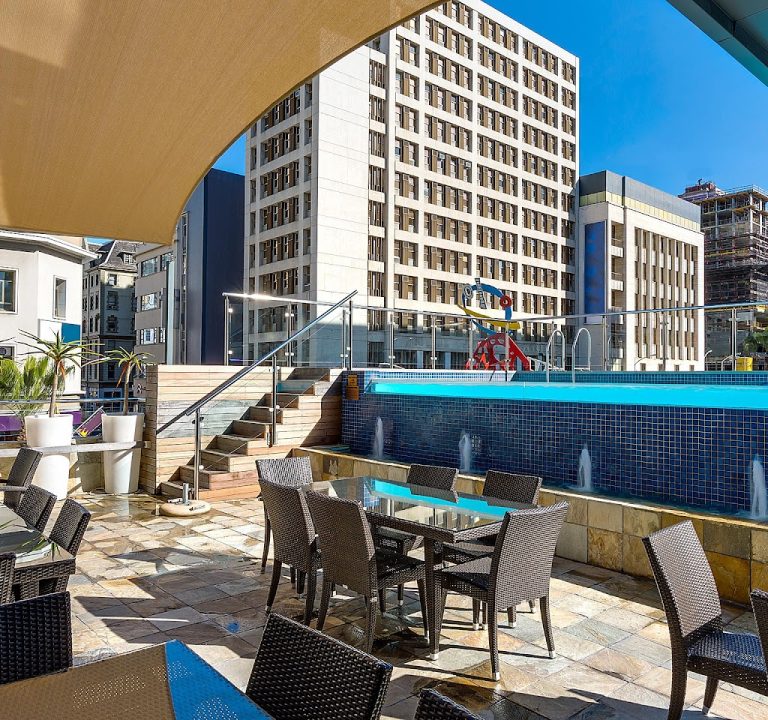
Staying in Cape Town: accommodation options, planning tips and a taste of the city
Cape Town offers a wide range of places to stay, from self‑catering apartments in the CBD to elegant guesthouses along the Atlantic Seaboard. For visitors basing themselves near the city centre, Safegate Accommodation at 37 Strand Street provides a convenient option within walking distance of many attractions, eateries and transport links. When choosing where to stay, think about what you want to do most days and how you plan to get around, so your accommodation supports your daily plans rather than adding time on the road.
Areas to consider include:
- The City Bowl and CBD: easy access to museums, markets and the V&A Waterfront, with a mix of modern serviced apartments and stylish B&Bs.
- V&A Waterfront and Green Point: a lively area with great dining, views of the harbour, and close links to the city’s business and nightlife precincts.
- Atlantic Seaboard (Sea Point, Bantry Bay, Camps Bay): excellent for beach strolls and sunsets, with higher‑end hotels, boutique stays and self‑catering flats.
- Constantia and the Keystone wine route: ideal for travellers who want a quieter base with easy day trips to wine estates and scenic valleys.
- Bo-Kaap and Gardens: atmospheric historic neighbourhoods within easy reach of the city’s cultural sights and eateries.
When booking, consider what you value most. If you plan long days of sightseeing and late dinners, a centrally located apartment or guesthouse with good security and 24‑hour reception can be advantageous. If you prefer a beachy atmosphere or a scenic view, a property near the coast may better suit your rhythm. Look for listed transport options and parking facilities, especially if you are driving or planning to hire a vehicle for day trips to the Cape Peninsula, Stellenbosch or Constantia.
Typical amenities to expect include:
- Self‑catering facilities: kitchen appliances, utensils and a dining space for flexible meals.
- Wi‑Fi and workspace: useful for remote work or planning days out.
- Secure access and good lighting: important for safe, comfortable stays.
- Air conditioning or ceiling fans: helpful in warmer months, particularly along the coast.
- Laundry facilities: in‑suite or shared coin‑operated machines for longer visits.
- On‑site parking or affiliations with nearby lots: avoid last‑minute searches in busy districts.
Transport in Cape Town is improving, with MyCiTi buses offering routes across the city, and Uber or local ride‑hailing services providing convenient options at night. If you are exploring beyond the city centre, renting a car is common, though many attractions along the coast are reachable by taxi or organised tours. Consider staying near a Metro station or a main bus route to reduce travel time, and ask your host or the property manager about the best access points to popular sights.
The best time to visit Cape Town is during the shoulder seasons, from late spring (September to November) and early autumn (February to April), when there is plenty of sunshine, fewer crowds and pleasant temperatures. Winter (June to August) can be cooler and windier, but it’s also when the city’s markets, indoor attractions and wine farms feel particularly atmospheric. For beach days, plan for summer months, but always be mindful of, and prepared for, sudden weather changes on the peninsula.
Practical planning tips for a smooth stay:
- Book with reliable guesthouses or self‑catering properties that clearly outline cleaning standards and security measures.
- Check proximity to your planned activities—mountain hikes, Robben Island tours, or dining districts—and whether the property offers organised transport or easy access to public transit.
- Ask about kitchen supplies, laundry facilities, and whether beach gear like towels and umbrellas are provided if you plan coastal days.
- Pack layers for temperature swings: Cape Town mornings can be cool, with warm afternoons, especially near the sea.
- Respect local regulations and safety guidelines, particularly in busy central areas and popular waterfronts.
While it is best to research specific venues and read recent guest reviews, you can approach Cape Town as a city of contrasts: a sophisticated urban core with a playground of beaches, scenic drives, world‑class winelands, and a lively culinary scene. A well‑chosen base will place you within easy reach of the city’s signature experiences, while still offering a peaceful retreat after a day of exploration. In planning your itinerary, balance iconic sights with a few leisurely moments in a café, a stroll through a market, or a sunset along the Atlantic shore. Whether you opt for a modern apartment in the CBD, a stylish guesthouse in Green Point, or a quiet guest cottage in Constantia, Cape Town rewards thoughtful planning with memorable discoveries and comfortable stays.