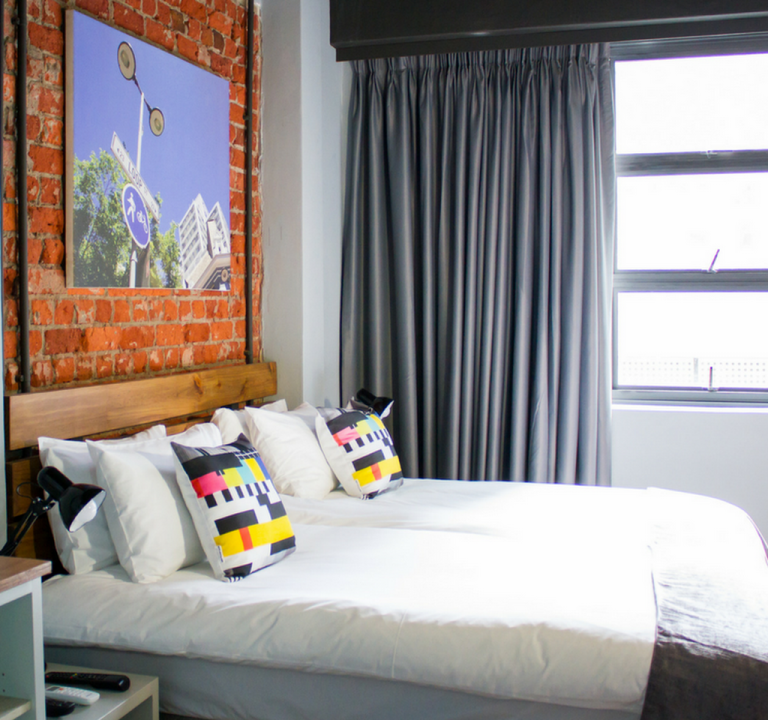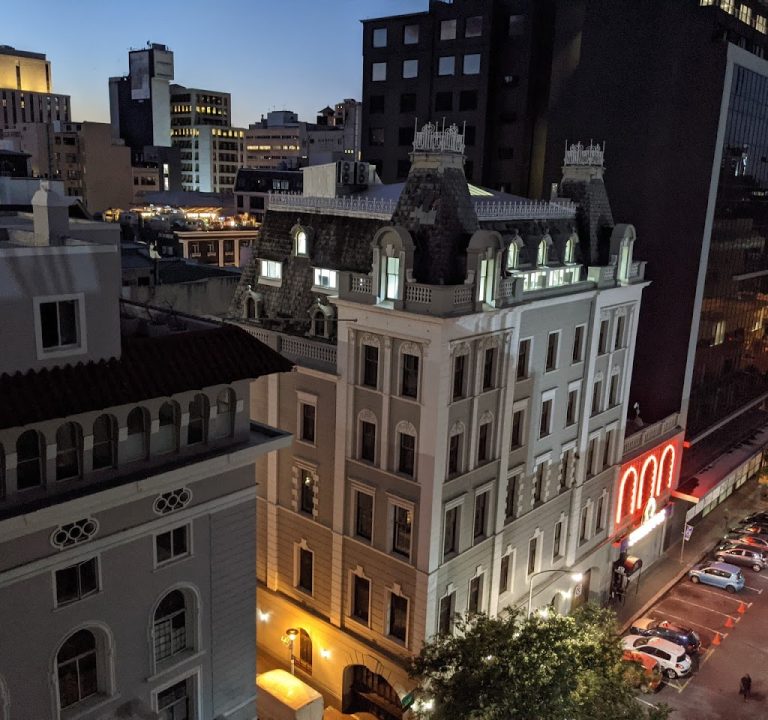
Castle Backpackers is a Hostel establishment in Cape Town, Western Cape, South Africa
About Castle Backpackers, Cape Town
Information from the official page for Castle Backpackers is currently limited due to a 404 error, leaving key details about the property’s rooms, facilities, policies and pricing unavailable. Located in Cape Town, Western Cape, South Africa, the listing is presented as a budget-friendly option for travellers seeking a backpacker-style stay in the city.
Because the specific accommodation style and on-site amenities are not clearly stated on the linked page, potential guests should approach with a general expectation typical of many backpacker venues: affordable, sociable spaces designed to help travellers connect and share experiences. While exact room types and facilities are not confirmed, readers can anticipate a focus on value and community-friendly common areas rather than luxury features.
Castle Backpackers is positioned to appeal to travellers who prioritise connection and cost-effective lodging. The description suggests a destination for those exploring Cape Town on a budget, with emphasis on ease of access to the city’s notable sights and experiences. The lack of explicit details means it remains essential to verify current arrangements such as bed configurations, bathroom setups, kitchen access, security, and any house rules directly with the property or through alternative official channels.
In terms of guest profile, backpacker hostels typically attract solo travellers, small groups, and young adventurers seeking a straightforward base from which to explore. The space is likely to foster a social atmosphere where guests can share tips, exchange travel stories and organise day trips together, though confirmation of specific communal spaces or activities is not available from the provided page.
For visitors planning a stay in Cape Town, the surrounding area offers a broad spectrum of highlights. While not proprietary to Castle Backpackers, the city’s famed coastline, Table Mountain and the vibrant neighbourhoods around the city centre are well-known attractions. Guests should expect to find convenient access to public transport and proximity to places that make a backpacker itinerary feasible, from markets and eateries to cultural sights and natural scenery.
Booking and travel tips for prospective guests include checking the latest information directly through the official site or related listings, as the current page does not provide concrete details. When planning a stay, it is wise to confirm room formats, bed types (dormitories or private rooms), bathroom provisions, kitchen facilities, laundry options, security measures, and any age or group restrictions. Clarifying cancellation policies, check-in times, and whether there are guided tours or social events can help align expectations with the actual offering.
Overall, Castle Backpackers presents itself (through the limited information available) as a budget-conscious option in Cape Town, aimed at travellers who value sociable spaces and straightforward accommodation. For a successful booking, it is advisable to consult the official website or contact channels for up-to-date details, ensuring a clear understanding of what services are included and what experiences await during the stay.
- Consider locations with easy access to Cape Town’s major sights and public transport.
- Prepare to participate in a social hostel atmosphere common to backpacker-styled stays.
- Verify essential details (room types, facilities, policies) before booking.
Website: Castle Backpackers – official site
Cape Town
Western Cape
8000
South Africa


Exploring Cape Town: Where to stay, what to do, and how to plan your visit
Cape Town is a city of contrasts, framed by ocean, mountains and a unique blend of cultures. Choosing the right place to stay can shape your whole experience, from easy access to beaches and dining to iconic viewpoints and daytime explorations. Whether you prefer a buzzing city centre base, a laid‑back coastal vibe, or a mountain‑edge escape, there are accommodation options to suit most budgets and preferences.
When planning a stay, start with areas that align with your interests and daily rhythms. The city centre and the adjacent Foreshore are convenient for sightseeing, business, and nightlife, with a mix of boutique hotels, guesthouses and affordable hostels. The V&a Waterfront area offers harbour views, easy access to ferry trips and museums, along with ample dining and shopping options. For a more residential and scenic baseline, neighbourhoods such as Green Point, Sea Point and Camps Bay provide a blend of stylish guesthouses and modern apartments close to the coast, while the Atlantic Seaboard is popular for those who want breezy proximity to beaches and sunset strolls. For a longer stay or a backpacker‑friendly vibe, smaller towns and suburbs lying further up the Atlantic Seaboard or along the False Bay coast can offer a slower pace and distinctive character.
What to look for when booking your accommodation in Cape Town
- Proximity to preferred activities: If you plan to explore Table Mountain, the City Bowl or the Atlantic coast, consider bases with easy access to lifts, cable cars, or reliable public transport links.
- Transport options: Cape Town has a well‑established MyCiTi bus network and a legacy of scenic drives. If you’ll be renting a car, check on‑site parking and accessibility to major routes. If you’ll rely on public transport or taxis, choose a central location or a well‑connected hub.
- Room configuration and facilities: Do you want private rooms or a shared dormitory? Look for en‑suite bathrooms, secure storage, and common areas designed for socialising or quiet work.
- Security and access: Many guesthouses and hostels have controlled access, 24‑hour reception, and a lockable storage area for valuables. Read guest reviews for consistency on safety and staff responsiveness.
- Amenity mix: Typical favourites include free Wi‑Fi, self‑catering facilities, laundry, solar or generator backup for power fluctuations, and outdoor spaces for relaxation.
Typical accommodation types you’ll encounter
From boutique hotels perched above vibrant streets to guesthouses tucked into leafy neighbourhoods, Cape Town’s lodging often blends stylish design with practical convenience. Hostels and budget‑friendly options can be excellent for travellers seeking social spaces and proximity to nightlife or markets, while mid‑range guesthouses frequently offer personalised service, breakfast options and a cosy, home‑like atmosphere. For those seeking a longer stay, serviced apartments with kitchen facilities can be highly convenient, especially for families or groups who want more flexibility than a hotel room allows.
Practical tips for a comfortable stay
Morning light is precious in Cape Town. If you’re staying near the coast or the city centre, plan morning activities to take advantage of cooler temperatures and calmer crowds. Even in peak season, the city can feel relaxed earlier in the day, before the main tourist bustle starts. When planning outdoor activities, always check the weather and sea conditions, particularly if you intend to visit Table Mountain, the Cape Peninsula, or beaches along the Atlantic and False Bay coasts. For scenic day trips, many visitors pair a cable car ride or a mountain trail with a seaside lunch, followed by a stroll through markets or waterfront promenades.
Best time to visit and practical considerations
Cape Town’s climate is characterised by mild winters and warm, dry summers. The peak tourist season generally falls in the summer months, when longer daylight hours let you maximise sightseeing and beach time. Shoulder seasons can be excellent for those seeking fewer crowds and more room to explore, while still enjoying comfortable temperatures. Do keep in mind that conditions on the hills and coastlines can change quickly; packing layers, a light rain jacket and sun protection is sensible year‑round.
Getting around and planning your itinerary efficiently can save you time and money. Consider grouping sights by geography to minimise backtracking: a coastal day can start with a sunrise at a lookout, followed by a beach walk, lunch by the water, and a later afternoon visit to a market or cultural district. For a social and budget‑friendly stay, a well‑located hostel such as Castle Backpackers can offer a friendly base and a chance to meet other travellers. It operates as a budget hostel with a central position, and its website provides details on facilities and how it fits into a Cape Town itinerary: https://castle-backpackers.business.site/?utm_source=gmb&utm_medium=referral
Dining and experiences to enrich your visit
Cape Town’s culinary scene ranges from informal beachside eateries to stylish bistros that showcase South African produce and global flavours. In addition to dining out, many visitors enjoy markets, coffee shops, and casual bakeries that provide a sense of daily life in the city. If you’re eager to experience local culture, look for guided walks, coastal kayak sessions, or short nature excursions that can be booked through your accommodation or reputable local operators. While guides and experiences vary in price and style, choosing those with responsible practices and clear safety standards helps ensure a positive experience for both visitors and communities.
Sorry, no records were found. Please adjust your search criteria and try again.
Sorry, unable to load the Maps API.
Why Claim Your Listing?
Claiming your listing on the B&B Finder directory website is a valuable opportunity for business owners. Here are five reasons why you should consider claiming your listings:
Control Over Business Information: By claiming their listing, business owners can ensure that all the information presented is accurate and up-to-date. This includes details such as contact information, address, pricing, and available services or amenities. Accurate information helps prevent customer confusion and improves overall satisfaction.
Enhance the Listing: Once a listing is claimed, owners can enhance it by adding more comprehensive information and rich media, like high-quality photos and videos. These additions can make the listing more attractive and engaging to potential customers, thereby increasing the likelihood of bookings.
Marketing Opportunities: Claiming a listing can also open up additional marketing opportunities. Owners may be able to participate in promotional campaigns, special offers, and other marketing activities organized by the directory. This can increase visibility and attract more customers to the business.