Planning a Stay in Cape Town: Accommodation, Attractions and Practical Tips
Cape Town, perched between the Atlantic Ocean and the iconic Table Mountain, offers a diverse range of places to rest your head. When choosing accommodation, consider both location and the kind of experience you want. Whether you favour stylish boutique stays, family-friendly guesthouses, modern hotels, or self‑catering apartments, you’ll find options that suit a wide range of budgets and itineraries. A stay that feels like a home base can help you balance days spent exploring world‑class sights with evenings of easy dining and downtime.
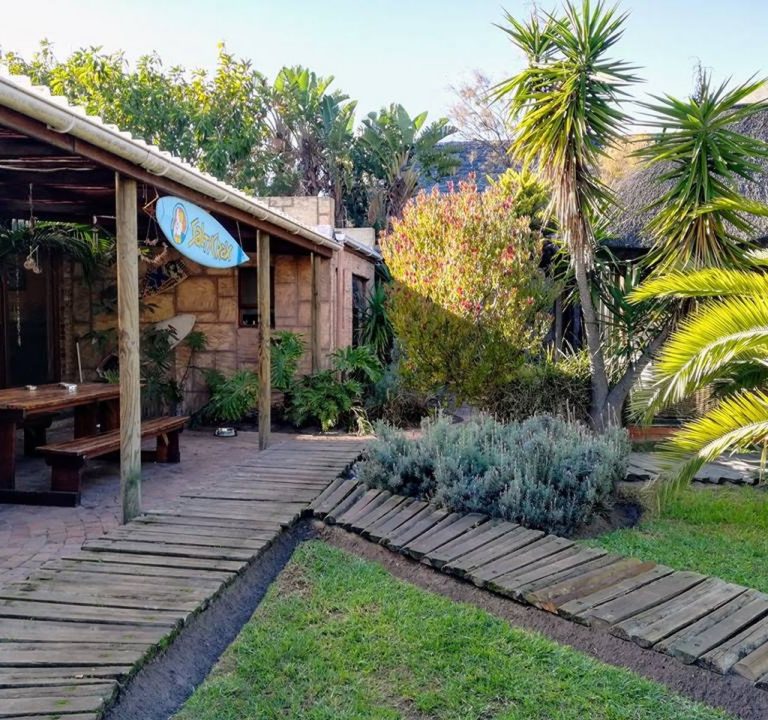
One example of a versatile option is a self‑catering stay such as Son & C Self Catering. These kinds of properties often provide kitchen facilities, making it convenient to prepare meals after a day of sightseeing, especially if you’re travelling with children or keeping to a budget. When browsing, read guest reviews to gauge cleanliness, responsiveness of hosts or staff, and how well the space matches its listing descriptions. Look for photos that show the living area, kitchen, bedroom arrangements, and any outdoor spaces, plus details about parking, storage, and accessibility if needed.
Consider the areas you’ll base yourself in. The City Bowl and Garden Route-adjacent districts are popular for easy access to the historic city centre, museums, and a vivid dining scene. The Atlantic Seaboard, including Camps Bay and Clifton, offers beaches and sunset views, with a more resort‑like vibe. Constantia and nearby suburbs are known for leafy streets, wine estates, and quieter nights, while the Waterfront puts you within easy reach of harbour walks and ferries to Robben Island. When planning, think about travel times to the places you most want to visit and whether you prefer a walkable neighbourhood or a quieter, car‑friendly area.
What to look for when booking: comfort and responsiveness, clear cancellation policies, and a layout that fits your party. For families or groups, check for multiple bedrooms or sofa beds, a functional kitchen, reliable heating or air conditioning, and reliable hot water. For solo travellers, a comfortable workspace or good Wi‑Fi can be essential. If you anticipate evening plans, a property within easy access of dining precincts or a short ride to nightlife hubs can save time. Host or property management reviews can reveal how well local guidance is provided, from restaurant recommendations to tips for avoiding busy routes.
Typical amenities to expect include wireless internet, safe and secure access, on‑site parking, laundry facilities, and well‑equipped kitchens or kitchenette areas. Many Cape Town properties offer a mix of self‑catering and breakfast options, or a lounge area where guests can mingle. Outdoor spaces such as balconies or courtyards are greatly appreciated in warmer months, enabling morning coffees or sunset vistas without leaving the property. If you’re travelling in peak season, confirmation of air conditioning or heating and good ventilation will contribute to a comfortable stay.
Transport and getting around are central to your planning. Cape Town’s MyCiTi bus network and railway lines link major hubs, though driving can be the most flexible option for exploring outside the city centre and wine routes. If you plan to venture along the Atlantic Seaboard or to the Cape Winelands, you may prefer a rental car or a privately arranged transfer. For shorter trips, ride‑hailing apps are widely used. When booking, note the accessibility of public transport from your accommodation to your planned days, as some places are more walkable or better connected than others.
The best time to visit Cape Town is typically during the Southern Hemisphere’s late spring to early autumn, when the weather is mild and outdoor activities are comfortable. However, each season has its appeal: summers are ideal for beaches and harbour life; autumns bring dramatic skies and comfortable sightseeing; winters are good for fewer crowds and city culture experiences. If you’re drawn to natural scenery, spring flowers or winter whale watching along the coast can also guide your timing. Regardless of season, it’s wise to plan outdoor activities for mornings or late afternoons to avoid peak heat and crowds.
Planning practicalities can save time and reduce stress. Pack adaptable layers to cope with sea breezes and sudden weather changes, and bring adaptors for electronics. Electricity shortages can occur, so having a small power bank for essential devices is prudent. When dining out, Cape Town’s cuisine reflects its multicultural influences; you’ll find market stalls, casual bistros, and more formal dining options that celebrate local produce. Trust local recommendations for places to try, and consider booking well in advance for popular venues, particularly in peak travel periods. Walking shoes, sunscreen, and a reusable water bottle will serve you well during day trips along the beaches, valleys, and mountains.
In summary, a well‑chosen Cape Town stay can become a launchpad for extraordinary experiences. Balance your accommodation with access to the city’s cultural heart, dramatic coastal scenery, and nearby wine regions. Plan your route to maximise days of exploration while leaving room for relaxing moments on a balcony, terrace, or courtyard. With careful selection of location, amenities, and transport, you’ll enjoy a memorable balance of comfort and adventure in one of South Africa’s most captivating destinations.