Accommodation and Experiences in Cape Town, Western Cape
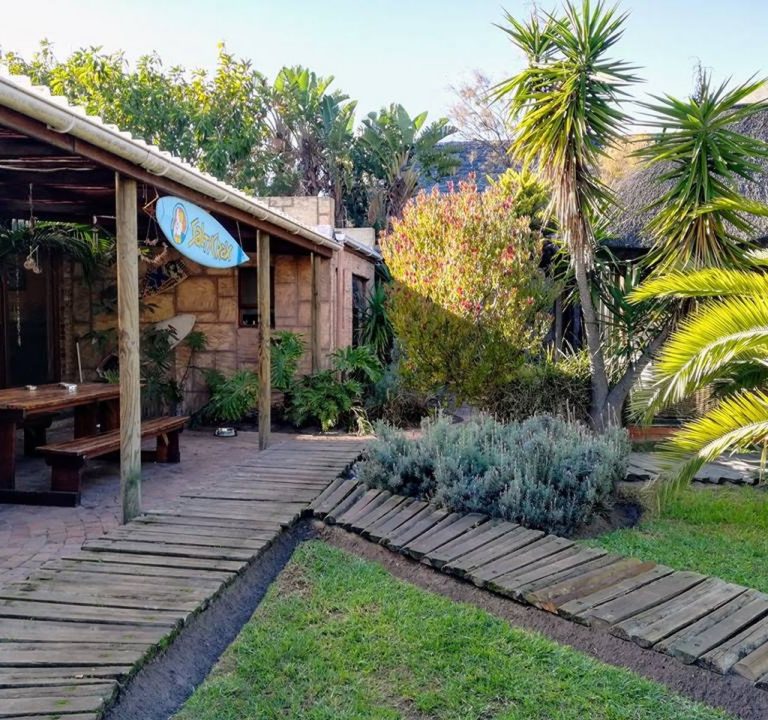
Cape Town is a city of striking contrasts, where mountains meet the sea and neighbourhoods offer distinct atmospheres. When choosing accommodation, think about what you want to see and how you plan to move around. From waterfront chic to cosy guest houses tucked into leafy suburbs, there is a range of options to suit a variety of itineraries. A guest house such as Briza Breeze, for example, can provide a hospitable home base with a more intimate feel than a large hotel, while still being convenient to major sights and routes out to the winelands or the Cape Peninsula.
Areas to consider include the City Bowl and Central Cape Town, which place you within easy reach of the V&A Waterfront, museums and markets, but can be busier in peak season. The Atlantic Seaboard, including areas like Sea Point, Camps Bay and Bantry Bay, offers spectacular ocean views, promenade strolls and a more relaxed pace. If you prefer a leafy setting with easy access to wine estates, the Southern Suburbs and Constantia provide quieter streets, larger gardens and proximity to mountain trails. For day trips to the famous winelands, countryside charm and gourmet dining, staying a little outside the city centre can be a smart move.
When you book, look for practical amenities that will keep your stay comfortable. An ensuite bathroom is convenient, as is a well-equipped kitchenette or continental breakfast option. Secure parking is a real plus if you are exploring by car, but many places in central areas also offer easy access to public transport or ridesharing services. Reliable Wi-Fi is essential for planning day excursions, checking weather, or streaming evening entertainment after a day of sightseeing. Consider guest houses or boutique hotels that emphasise hospitality, with hosts who can offer local tips on quieter beaches, lesser-known viewpoints, and where to find authentic Cape Malay or Cape Fusion cuisine.
Getting around Cape Town is straightforward but warrants a little planning. The MyCiTi bus network and rail links connect much of the city and coastal suburbs, while Uber and other ride-hailing services are widely used. If you plan to visit the Cape Peninsula, the top sights are spread across a scenic route, so arranging a day with a driver or joining an organised tour can be convenient. For a more relaxed experience, base yourself near a waterfront hub and take shorter strolls along the coast or into nearby markets, then return to your guest house for a restful evening.
Best time to visit Cape Town typically runs from late spring to autumn (October to April) when weather is milder and days are longer. However, each season brings its own appeal. Summer offers vibrant harbour life and outdoor dining; autumn brings calmer beaches and good light for photography; winter can be ideal for exploring café culture, museums and wine country as rainfall remains relatively moderate. Pack layers, a sun hat and a light rain jacket, and be prepared for rapid weather shifts, especially in coastal or highland areas.
When planning your itinerary, balance iconic must-sees with time to wander. General attractions include panoramic viewpoints from Table Mountain or nearby peaks, historical harbourside experiences, and world-class botanic gardens with seasonal blooms. Nature lovers may enjoy coastal hikes, penguin colonies at specific reserves, or easy forest trails in the surrounding hills. While specifics can vary, most travellers relish opportunities to combine city culture with outdoor pursuits, followed by dinners at diverse restaurants that celebrate regional produce and international flavours.
Practical tips for a comfortable stay:
- Book early for peak seasons and weekends, especially if you want a guest house with sea views or a quiet garden setting.
- Request a room with good ventilation and a private bathroom if you value privacy and comfort.
- Check accessibility and proximity to transport hubs to minimise daily travel time.
- Ask hosts or reception for area-specific recommendations, including safe beaches, scenic routes, and early opening hours for markets.
Where to stay can influence how you experience Cape Town, but even with careful planning, the city reveals layered charms at every turn. Begin with a base that offers easy access to your primary interests—city sights, coastal walks, or wine and dining days—and allow for spontaneous detours to markets, cafés and small galleries. If you are drawn to intimate, person-focused stays, a locally run guest house can provide personalised insights and a sense of place that larger hotels may not match. For further inspiration and practical planning, visit Cape Town’s official tourism pages and regional guides to get a sense of current highlights and seasonal events.
For more information on places to explore, you can browse trusted site guides such as Cape Town Tourism and regional tourism resources. These sources offer expansive overviews of districts, suggested itineraries, and tips on seasonal activities, helping you tailor a stay that fits your interests and pace.