Cape Town: where to stay, what to see, and how to plan your visit
Cape Town packs a remarkable punch for travellers seeking natural beauty, cosmopolitan culture, and easy access to varied experiences. From the dramatic contours of Table Mountain to sun-kissed beaches and vibrant neighbourhoods, choosing the right accommodation can set the tone for your whole trip. A guest house by the coast or a boutique stay in the city centre can act as a comfortable base for sightseeing, dining, and day trips into the region’s vineyards and simmering sea breeze.
When planning where to stay, consider the neighbourhoods that best align with your priorities. The City Bowl area offers easy access to museums, theatres, and a concentration of dining options, with quick hops to the harbour and waterfront attractions. Camps Bay and Clifton provide beachfront splendour and a more relaxed vibe, ideal for sunbathers and sunset strolls. Green Point and the V&A Waterfront are convenient for maritime views, nightlife, and well-connected transport links. For those chasing leafy scenery and wine encounters, Constantia and the wider Constantia Valley deliver a quieter pace with gourmet food and cellar doors nearby. Each area has its own character, so your choice will influence daily travel times and the type of experiences you can easily access on foot or by public transport.
In terms of accommodation, many guest houses, boutique hotels, and lodges emphasise comfort, local character, and personalised service. Typical amenities to look for include complimentary breakfast, secure parking or easy access to public transport, wi‑fi, and handy conveniences such as air conditioning or heating, given Cape Town’s seasonal microclimate. Some properties offer curated routes or insider tips, which can be particularly valuable for first‑time visitors navigating the city’s hills and coastal routes. If you value pool facilities, a balcony or sea views, or the possibility of arranging tours through the property, read the descriptions carefully and check recent guest reviews for consistency.
Transport options in Cape Town are varied. The city has a network of MyCiTi buses that connect many popular precincts, though journeys can be longer during peak hours. Taxis and rideshares are readily available, and renting a car gives the freedom to explore beyond the city limits, including the Cape Winelands and the scenic Atlantic Seaboard drives. If you plan a coastal drive, keep in mind that some routes are hilly or windy, so a car with comfortable handling is a practical choice. For those who prefer walking, many central districts are compact enough to explore on foot, with the added reward of discovering street art, cafés, and markets along the way.
The best time to visit Cape Town depends on what you want from the trip. Coastal areas tend to be lively in the austral summer (roughly November to March), with longer days, sea breezes, and outdoor activities near the ocean. Winter brings cooler, wetter weather but can be pleasantly mild, with fewer crowds and excellent conditions for exploring museums, galleries, and indoor dining experiences. Spring and autumn offer a balance of comfortable temperatures for hiking and sightseeing. Planning ahead for peak seasons is wise, and booking early can secure preferred rooms with views or special access to tours and eateries.
When it comes to planning activities, there are many ways to fill a stay without overwhelming your schedule. Start with a foundational mix of landscape and culture: a morning ascent or cable car ride up Table Mountain (or a guided walk if you prefer a slower pace), followed by a harbour-front stroll and a gallery or museum visit. The city’s culinary scene offers a spectrum from casual markets and beachfront cafés to refined dining experiences—ideally paired with a few wine tastings in the nearby winelands. Outdoor lovers can arrange a coastal hike, a penguin‑watching excursion at Boulders Beach, or a day trip to the Cape Peninsula’s coastal routes. For families or groups, there are many open‑air markets and kid‑friendly activities that still celebrate Cape Town’s distinctive spirit.
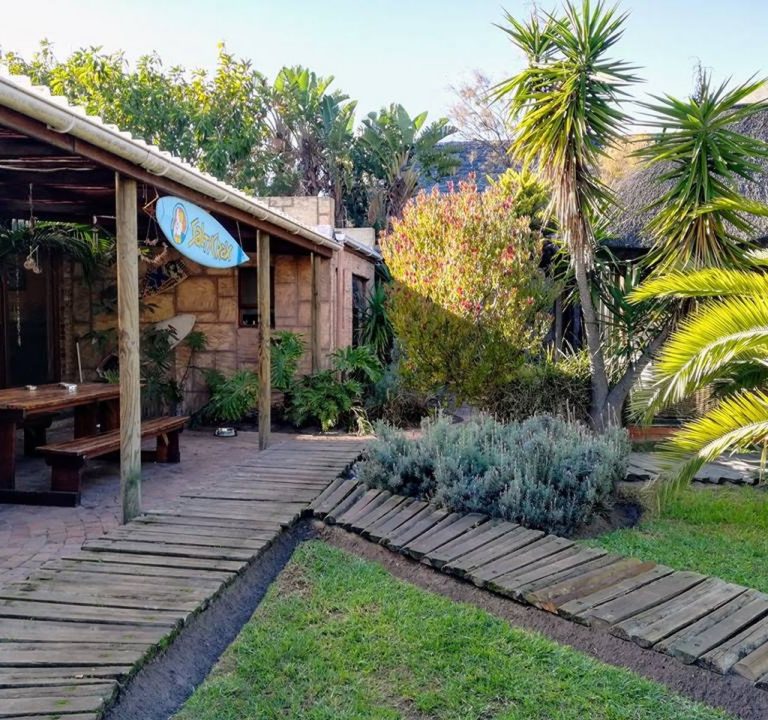
One example of a thoughtfully designed stay is SALT Boutique Guesthouse, a stylish guest house that emphasises comfort, character, and a sense of arrival. Visitors often appreciate properties that balance privacy with easy access to city sights, and SALT Boutique Guesthouse provides a convenient hub from which to explore the region. For more information, you can visit the property’s website at http://www.saltstay.co.za/.
Practical tips to help you make the most of your trip
- Pack for a range of conditions: coastal winds, mountain shade, and warm days mean layers are useful at any time of year.
- Plan a flexible itinerary. Reserve core activities but leave room for spontaneous discoveries—coffee stops, markets, and street food tend to be highlights in many visitors’ trips.
- Allocate travel time between districts to avoid peak traffic and to enjoy scenic routes rather than rushing from one point to another.
- Check the amenities of your accommodation in advance—some properties provide guidance on safe parking, recommended routes, and private tours, which can enhance your stay.
- Respect local neighbourhood norms and safety guidelines, especially when exploring hillside areas after dark or venturing into less frequented districts.
Ultimately, Cape Town rewards travellers who balance comfort with curiosity. By choosing a thoughtful base, planning for a mix of outdoor and cultural activities, and keeping a flexible mindset, you can tailor a stay that captures the city’s dramatic scenery, culinary richness, and warm hospitality.