Accommodation and experiences in Cape Town: planning your stay in Western Cape
Cape Town offers a rich tapestry of places to stay, from stylish guest houses tucked into leafy avenues to contemporary hotels with sweeping harbour views. When planning your visit, think about the kind of neighbourhood that will frame your days and evenings: the city’s multiple personalities each come with their own pace, scenery and access to attractions. A well‑chosen base can shorten transit times, enhance safety, and tailor your itinerary to your interests—from pristine beaches and dramatic mountains to markets, eateries and cultural centres.
In the city centre and the surrounding City Bowl, you’ll find boutique guest houses and small hotels close to museums, theatres, and a vibrant dining scene. These areas are ideal for first‑time visitors who want to walk to the best viewpoints, markets, and historical sites. The Atlantic Seaboard, including Camps Bay and Clifton, attracts travellers seeking dramatic oceanfront scenery, sunset strolls along palm‑lined promenades, and easy access to hiking trails on the slopes of Table Mountain. For a more neighbourhood‑vibe stay with easy access to wineries and steeped in Cape Town history, consider Constantia or the nearby Southern Suburbs. Hout Bay, nearby Simon’s Town and the Winelands offer a relaxed pace and scenic day trips while remaining within reach of the city’s main attractions.
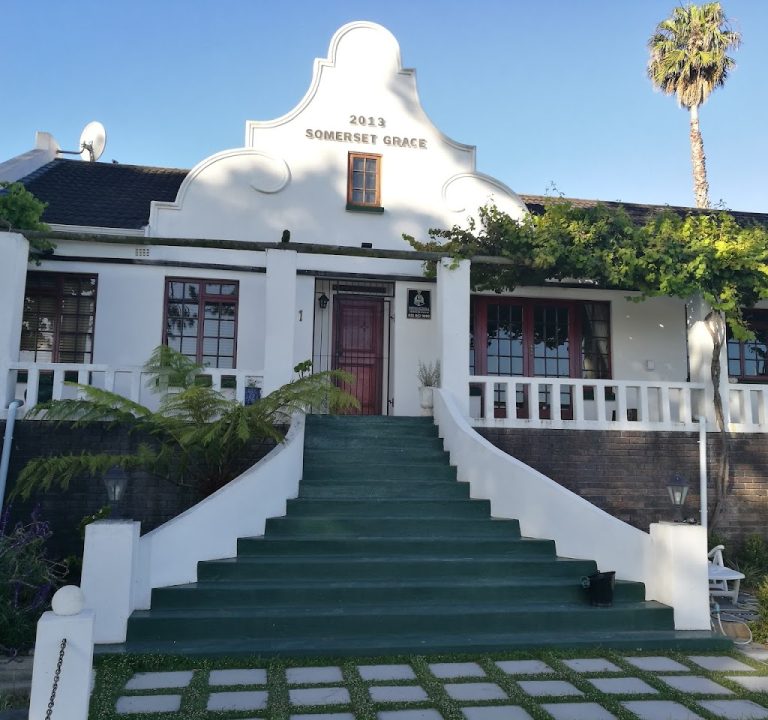
Somerset Grace, a guest house styled to feel like a home away from home, exemplifies the appeal of smaller, guest‑led properties. Such stays often emphasise personalised service, generous breakfasts, and a homely atmosphere that can feel inviting after a day of exploration. When reviewing options, look for confirmed amenities such as en‑suite bathrooms, reliable Wi‑Fi, secure parking, air conditioning or heating for changing seasons, and clear dining arrangements. Displayed reviews can help you gauge consistency in service, breakfast quality, and the attentiveness of hosts, which is especially meaningful in smaller properties.
Booking considerations matter as much as the location. For a short city break, you might prioritise proximity to urban sights and the convenience of public transport. For longer stays or wine‑country forays, a property with a private terrace or access to a garden and vehicle parking could enhance your days. Request details about breakfast service (self‑cuf or cooked options), whether the property offers self‑catering facilities, and if there are quiet hours. If you plan to spend long days out visiting بسtractions or hiking, a late return may be less important than secure access and a comfortable bed. Don’t forget to check cancellation policies and any seasonal minimum stay requirements to avoid surprises during peak periods.
Transport in Cape Town is part of the experience. The MyCiTi bus network serves many areas, while ride‑hailing apps are widely available. If you’re renting a car, ensure your chosen accommodation has parking and is easy to reach via major routes; some hillside locations may offer steep access roads or limited parking. For guests prioritising easy access to the waterfront and long beaches, staying in the Atlantic Seaboard can minimise transfers and enable scenic evening walks. If you prefer the bustle of markets, cafés, and nightlife, a CBD‑ or Green Point‑based base may suit your rhythms better. Consider travel times to attractions such as Table Mountain, the V&A Waterfront, Kirstenbosch National Botanical Garden, and the Constantia wine route when weighing your plans.
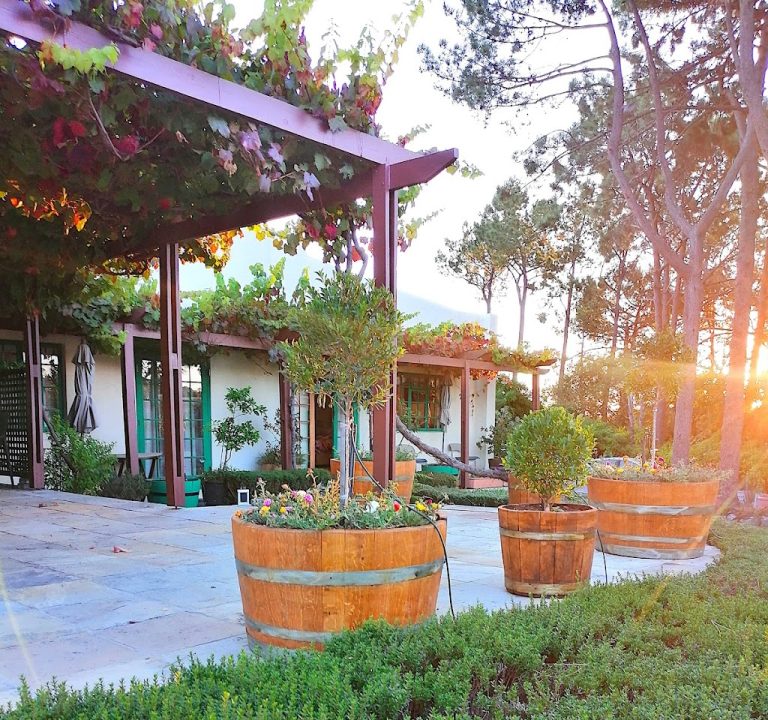
Typical amenities you may encounter include en‑suite bathrooms, comfortable beds with quality linens, breakfast inclusion, and options for later check‑in or early check‑out. Some properties offer extras such as private balconies, swimming pools, or small garden spaces. In Cape Town, thoughtful provision often includes safe in‑room storage for valuables, mirrors and hairdryers, and access to information about local experiences—from nature reserves and coastal walks to food markets and street‑food stalls. When possible, ask about transportation assistance, maps, and suggestions for day trips, as hosts can tailor recommendations to the season and to your interests.
What to do beyond your bed and breakfast? Cape Town’s natural beauty and diverse dining scene deliver a wealth of experiences without leaving the city. Consider a conversation with your hosts or front‑desk staff about currency‑friendly markets, scenic viewpoints, and practical tips on safety and navigation. General, widely recommended experiences include a scenic cable car or hike up Table Mountain, a visit to the historic Robben Island site where appropriate, and time spent along the V&A Waterfront for shops and casual dining. For meals, you’ll find a spectrum of options from casual harbourfront eateries to contemporary restaurants offering seasonal menus. In general terms, the city’s dining scene emphasises fresh seafood, global flavours with a Cape‑Malay influence, and modern South African cuisine that highlights local produce. You’ll come away with memorable flavours whether you choose a relaxed breakfast spot or a more formal dinner setting.
Best time to visit Cape Town depends on the activities you fancy. Spring (September to November) and autumn (March to May) are often ideal for outdoor exploration and whale watching along the coastline. Summer (December to February) brings long days, warm seas and bustling beaches, while winter (June to August) can be cooler and wetter, yet still offers dramatic scenery, fewer crowds and excellent value in many guest houses. Pack layers, sun protection for coastal days, and a adaptable plan to respond to weather changes. Always check local forecasts and seasonal opening hours for attractions and restaurants, and book ahead during peak seasons to secure preferred rooms and rates.
- What to look for when booking: location relative to your planned activities; on‑site parking; breakfast options and kitchen facilities; guest reviews and host responsiveness; cancellation terms; and accessibility features if needed.
Cape Town is a city of contrasts, where a thoughtfully chosen stay can unlock diverse experiences—from dramatic mountain scenery to lively dining and cultural exploration. By aligning your accommodation with your itinerary, you gain time, ease and memorable moments that will define your visit to the Western Cape. For more inspiration and practical planning, you can explore official tourism resources at capetown.travel.