Exploring Cape Town: Accommodation, Areas to Consider, and Essential Experiences
Cape Town in the Western Cape offers a diverse range of stays, from intimate bed and breakfasts to stylish boutique hotels and comfortable guesthouses. When planning a visit, think about what you want most from your trip—scenic views, close proximity to the city’s main sights, or easy access to wine farms and beaches. This guide highlights the kinds of accommodation you’ll find in and around Cape Town, practical tips for booking, and ideas for things to do and savour during your stay.
Key areas to consider include the City Bowl, which places you within easy reach of downtown dining and culture; the Atlantic Seaboard, with dramatic coastal views and sandy beaches; and Constantia or the southern suburb of Muizenberg, known for leafy streets and wine estates. If you prefer a more tranquil, nature-forward base, the Constantia Valley or the scenic Winelands towns offer charming stays with easy day trips to vineyards and mountains. For a livelier atmosphere and direct beach access, Camps Bay and Clifton are popular, while Hout Bay provides a more laid-back, harbour-side feel. When selecting your base, weigh access to public transport, parking availability, and the character of the neighbourhood against the pace you want for your holiday.
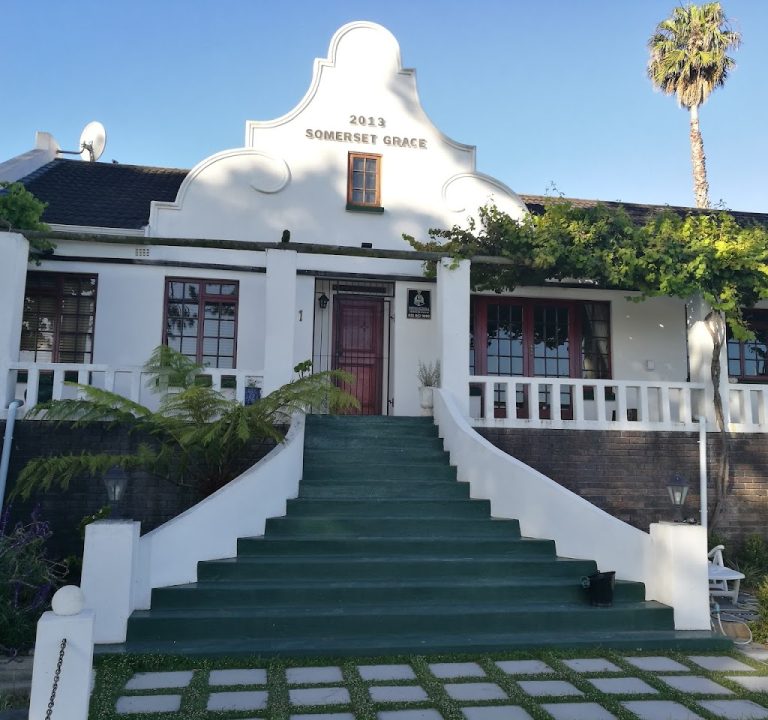
Typical accommodation features to look for when booking include comfortable en-suite rooms, reliable Wi‑Fi, a homemade or substantial breakfast, and a dedicated guest lounge or garden space. For families or groups, some properties offer interconnecting rooms or larger suites. If you favour a personal touch, a B&B such as Huis Waveren (a bed and breakfast option in the region) may provide hospitality-led stays with local home-cooked breakfasts and intimate common spaces. Check whether the property offers onsite parking, a pool, or outdoor seating—these amenities can make a big difference in busy, sunny months. Clear cancellation policies, guest reviews, and service notes about accessibility or dietary needs are worth checking before you book.
Transport in Cape Town is straightforward but varies by neighbourhood. In the city centre, you’ll find bus services and ridesharing options, while coastal areas often rely on car hire or taxis. If you plan day trips to the Cape Winelands, Cape Point, or Table Mountain, a rental car gives flexibility, though some guided tours operate from central hubs. For those who prefer not to drive, look for stays that can organise airport transfers or offer convenient shuttle options to popular sights. If you intend to explore Cape Town’s beaches, be mindful of parking rules and peak traffic times in summer plus long, scenic drives along the Atlantic coast.
Best time to visit Cape Town depends on your priorities. The summer season (roughly November to February) brings warm, dry days and lively outdoor scenes, ideal for beaches and outdoor dining. Autumn (March to May) offers milder weather and fewer crowds, with plenty of colour in the surrounding gardens and vineyards. Winter (June to August) is cooler and wetter, but the city’s indoor attractions, markets, and wine routes remain appealing. Spring (September to November) delivers turning foliage and blooming gardens, a pleasant window for sightseeing with comfortable temperatures. Pack layers for changeable coastal weather and plan for shade and sun protection on long days outdoors.
When planning activities, balance the iconic sights with local discoveries. A visit to the iconic table-top views, a journey to the historic Robben Island, and a stroll through Kirstenbosch National Botanical Garden offer memorable experiences. For a broader flavour of Cape Town’s appeal, set aside time for coastal walks along the Atlantic shores, a drive along the scenic Chapmans Peak or Constantia valley, and a day exploring nearby wine estates. Dining in Cape Town ranges from casual beachside cafés to refined restaurants offering contemporary South African cuisine; in most areas you’ll find options to suit a range of budgets without needing to travel far from your accommodation.
Here are practical planning tips to maximise your stay:
- Choose accommodation with included breakfast if you want a quick start to busy days, or select a self-catering option for flexibility.
- Prioritise a room with good insulation and reliable heating or cooling, especially if visiting in peak summer or winter.
- Check for easy access to major sights by public transport or walking distance to cafés and markets.
- Read recent guest reviews to gauge consistency of service and the attentiveness of hosts or staff.
- Plan day trips in advance for wine routes or nature reserves, while leaving some time free for spontaneous discoveries.
- Keep valuables secure and be aware of your surroundings in busy tourist areas, particularly at peak times.
For inspiration and planning, reputable travel sites and local tourism organisations offer practical itineraries and tips. Websites linked to official tourism boards and reputable travel guides can help you tailor your stay to your interests, whether you’re seeking dramatic coastal scenery, botanical gardens, or culinary experiences. Cape Town remains a versatile, traveller-friendly destination where well-chosen accommodation can anchor a memorable Western Cape break. If you’d like to explore specific neighbourhoods or types of stays, I can tailor suggestions to match your dates, budget, and interests.