Where to stay and what to do in Cape Town: a practical guide for travellers
Cape Town blends dramatic scenery with a welcoming hospitality scene, ranging from cosy bed & breakfast guesthouses to polished boutique hotels and self-catering options. When planning a stay, it helps to think about what you want to experience: whether you favour sea views, mountain access, or easy access to city sights and dining. The following overview offers practical guidance on accommodation choices, planning tips, transport, and highlights to help you make the most of your time in the Western Cape’s world-renowned capital.
Areas to consider for accommodation include the following. The City Bowl and the central Foreshore area offer quick access to museums, markets, and restaurants, with easy embankment walks to the waterfront. The Victoria & Alfred Wharf (V&A) precinct is ideal for guests who prioritise harbour views, lingering climbs along the harbour promenade, and a broad array of dining and shopping options. For sandy beaches and chic coastal living, Camps Bay and Clifton provide dramatic ocean panoramas and sunset outlooks, while the Constantia Valley appeals to travellers who enjoy wine estates, leafy scenery, and a quieter, village-like atmosphere. Suburban areas such as Green Point, Observatory, and Woodstock often combine a more relaxed, residential feel with straightforward transit links to the centre and Atlantic coast. If staying a little further afield, the Cape Winelands can be reached on day trips, with Stellenbosch or Franschhoek as popular bases for exploring oenology and fine dining.
When choosing a place to stay, look for a few practical features. A reliable host or responsive front desk is valuable in case plans change. En-suite bathrooms, comfortable bedding, and good hot water pressure are worth confirming, especially in older buildings that have been converted into guesthouses or B&Bs. For a restful stay, check for adequate sound insulation—some buildings are historic and charming but can be noisier. Wi-Fi is essential for many travellers, whether you are planning a work trip, streaming a film after a day of exploring, or simply staying connected with friends and family. Breakfast options are a hallmark of B&Bs and guesthouses in Cape Town; ask about seasonal menus, dietary accommodations, and the extent of self-catering facilities if you intend to start early for a hike or a long day out.
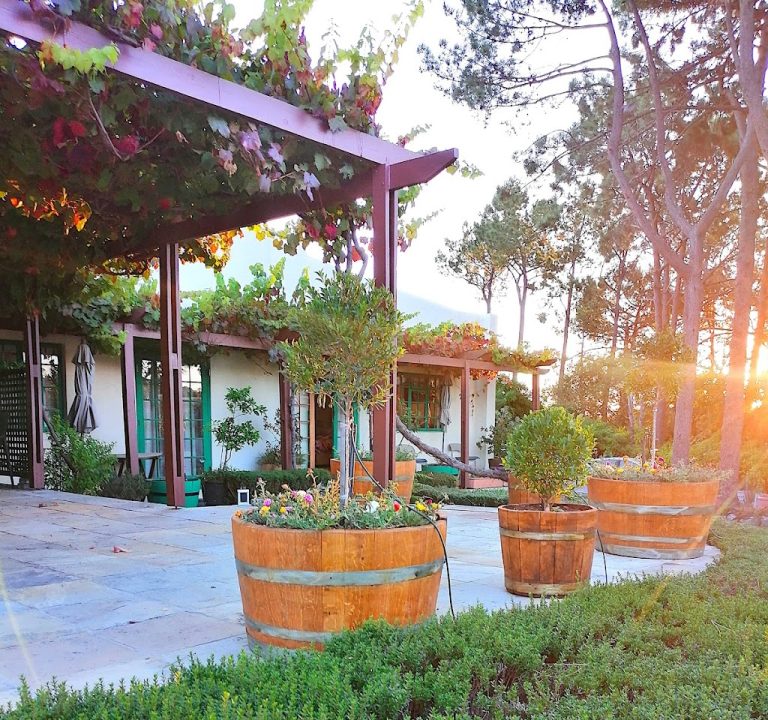
Typical amenities across well-regarded options often include en-suite rooms, air conditioning or fans for the warm months, tea- and coffee-making facilities, secure parking or easy access to public transport, and guest lounges or outdoor seating areas. Some properties feature smaller pools or garden spaces, particularly in warmer districts. If you require accessibility features, it’s worth confirming the layout and entry arrangements with the host before booking. A clear cancellation policy is also prudent, given the changing travel landscape and occasional weather disruptions.
Transport in Cape Town is diverse and generally straightforward. In the city centre and along the coast, Uber and other ride-hailing services are widely available, and many guesthouses offer shuttle arrangements or parking. The city also maintains a MyCiTi bus network with routes that connect major hubs and tourist zones, making it feasible to explore without a car on certain itineraries. If you plan day trips to the Cape Peninsula, the Constantia wine route, or the Winelands, consider renting a car or arranging a guided tour. For safer walking routes, especially in the evenings, it’s wise to stay within known neighbourhoods and use transport services to reach more distant hotspots.
Best time to visit Cape Town depends on your priorities. The summer months (December to February) bring warmer temperatures and lively outdoor events, but they are also peak season, so advanced booking is essential and prices can be higher. Autumn (March to May) offers pleasant weather, fewer crowds, and good value in many studios and guesthouses. Winter (June to August) is cooler and wetter, ideal for those who enjoy the city’s green landscapes and whale-watching further afield, with opportunities to enjoy hearty meals and indoor attractions. Spring (September to November) brings fresh blooms and a dynamic restaurant scene. Always check local forecasts and coastal wind patterns, as the south-easterly wind can influence daytime plans and outdoor activities.
Beyond the accommodation, Cape Town’s attractions suit a wide range of interests. Ocean-facing walks, Table Mountain’s cable car or hike, Robben Island tours, the Kirstenbosch National Botanical Garden, the buzzing markets of the city centre, and the vibrant waterfront precinct offer a mix of culture, history, and outdoor beauty. Food and drink enthusiasts can anticipate a thriving restaurant scene featuring dishes inspired by local flavours, with countless cafés and bistros offering fresh produce and seasonal menus. For a relaxed introduction to the region’s culinary and wine culture, consider a guided walk or a gentle self-guided itinerary that includes some of the area’s more notable eateries and wine-tasting venues—without fixed plans, you can adjust as you discover what you enjoy most.
Tips to help you plan a smooth stay:
- Book early for peak periods and consider shoulder seasons for better value and milder crowds.
- Prioritise a home base that minimizes transit time to the activities you love, whether that’s beaches, Table Mountain, or a wine-focused day trip.
- Ask hosts about local tips, such as safe walking routes, vintage markets, and family-friendly spots.
- Confirm breakfast arrangements, parking, and Wi-Fi quality in advance to match your itinerary.
- Check the cancellation policy and weather considerations for outdoor plans, particularly in coastal or mountain-facing properties.
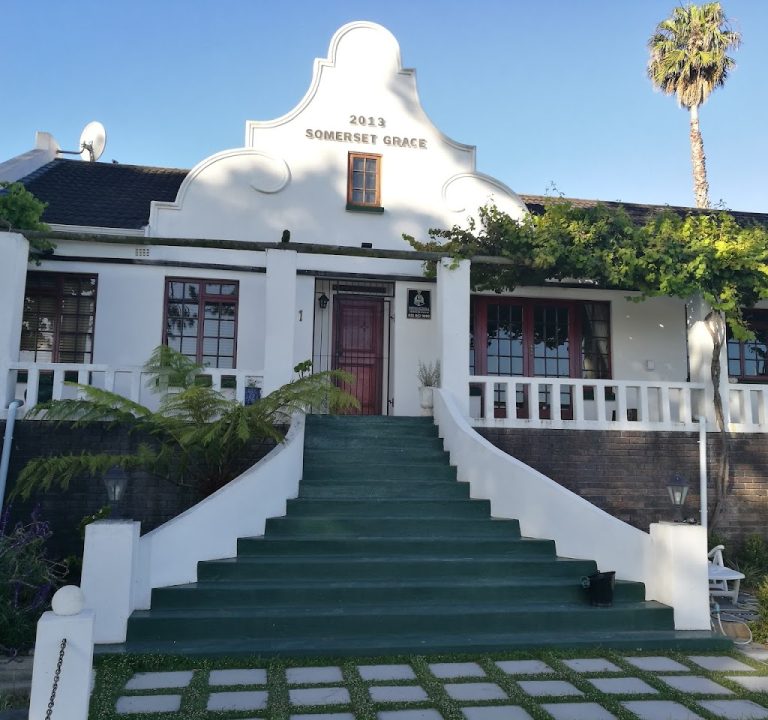
For travellers curious to combine a Cape Town stay with a visit to nearby wine country or scenic coastal drives, there are many accommodation options in and around the city that suit a range of budgets and preferences. One example to consider is a charming guesthouse that specialises in a warm, personalised experience typical of a Bed & Breakfast setup. While specific details and current availability vary, the essence remains: a comfortable, well-located base with thoughtful touches can greatly enrich a Cape Town visit, allowing you to emerge each day ready to explore the region’s landscapes, flavours, and culture.