Discovering Cape Town: accommodation and planning your stay
Cape Town is a vibrant mix of natural beauty, coastal charm and urban culture, offering a wide range of places to rest your head and experiences to match. When planning a stay, think about how you want to move around the city, what scenery you want on your doorstep and how long you hope to explore the surrounding countryside. From boutique guesthouses in leafy neighbourhoods to stylish hotels with sea views, there are options to suit every pace and pocket.
In central districts such as the City Bowl and the V&A Waterfront, you’ll find a mix of modern hotels, historic guesthouses and serviced apartments. These areas are convenient for exploring the historic streets, museums and palm-lined promenades, and they provide easy access to public transport and guided tours. If you prefer a more relaxed, resort-like atmosphere, consider camps along the Atlantic Seaboard in Green Point or Camps Bay, where the scenery is dramatic and the beaches are the main attraction. For a more peaceful escape with a wine-country vibe, Constantia and the nearby Winelands offer lodges and boutique inns set among vineyards and mountain backdrops while still keeping you within easy reach of the city’s sights.
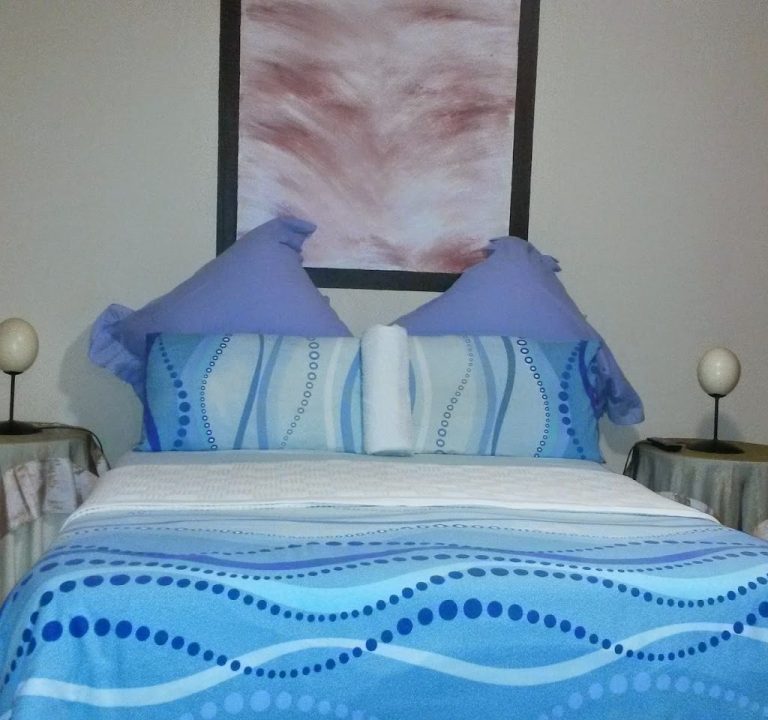
When choosing accommodation, look for certain features that help you enjoy Cape Town without fuss. A comfortable bed and good natural light are essential after a day on the hills or the coast. Ask about parking arrangements if you’re driving, or about easy access to public transport routes. Free WiFi is particularly useful for checking day plans or coordinating with travel companions. A well-equipped breakfast can set you up for long mornings spent exploring Table Mountain, Robben Island or Kirstenbosch Botanical Gardens. If you’re aiming to visit the Cape Point reserve, a room with reasonable access to hire cars or reliable transfers can save time.
Amenities can make a difference on a coastal trip. In addition to en-suite bathrooms, many properties offer coffee facilities, air conditioning or heating, and secure storage for outdoor gear. Some boutique inns emphasise sustainability, with energy-saving features or locally sourced breakfasts. If you’re visiting with family or a group, check for communal spaces, a kitchenette or laundry facilities. For those seeking a little extra indulgence, look for properties that provide a pool, sun terrace or a verandah with views, which can be particularly appealing after a day of sightseeing.
Getting around Cape Town is part of the experience. The MyCiTi bus service covers many parts of the city and is a cost-effective way to travel between neighbourhoods and major sights. Taxis and rideshare services are convenient for evening plans or late departures from the V&A Waterfront. If you’re renting a car, be mindful of peak-period traffic and the drive along the coast where road conditions and parking can vary by neighbourhood. Day trips to the Cape Winelands, the penguin colony at a nearby coastal reserve, or scenic viewpoints along Chapman’s Peak Drive are easy to arrange with a hire car or guided tour.
Choosing where to stay also means thinking about the best time to visit. Cape Town enjoys a Mediterranean climate, with warm, dry summers and cooler, wetter winters. Peak tourist seasons typically run from late spring to early autumn, when outdoor activities are at their best and coastal beaches are popular. Shoulder seasons can offer more space and slightly lower rates, while still providing plenty of opportunities for outdoor exploration, city wandering and dining out.
To help you plan effectively, consider a flexible itinerary that balances iconic experiences with time to simply enjoy a neighbourhood café, a stroll along the promenade, or a hillside walk. While there are many famous landmarks to see, it’s equally rewarding to discover local markets, harbour views, and small eateries that showcase South Africa’s hospitality and culinary craft. When booking, review cancellation policies and the proximity of your chosen base to the day’s plans, so you can adjust without disruption.
- Proximity and transport: how easy it is to reach sights and return to your base.
- Comfort and amenities: beds, bathrooms, heating/cooling, and breakfast options.
- Style and atmosphere: whether you want a modern hotel, a historic guesthouse, or a low-key lodge.
- Local flavour: opportunities to experience neighbourhood life and nearby eateries.
- Safety and convenience: secure access, well-lit areas, and clear information about transport.
In terms of dining and experiences, Cape Town offers a broad spectrum without needing to book specific names in advance. You’ll find vibrant markets and casual eateries alongside refined restaurants focused on seasonal produce. Many lodging options can point you to nearby trails, viewpoints, and cultural experiences—from coastal walks and harbour activities to botanical gardens and wine-tasting routes. When it comes to activities, daytime explorations often combine nature with city culture: a lift up a famous lookout, a visit to a historic site, a stroll through a garden, or a return to the seaside for a sunset vista.
Whether you’re planning a fast-paced city break or a more leisurely sojourn focused on scenery and relaxation, Cape Town rewards curiosity and flexibility. With the right base, you can wake to sea breezes, slide into a morning city walk, and end the day with a meal that captures the colour of the coastline and the warmth of local hospitality.
- Choose a base that aligns with your planned days, balancing city sights with nearby escapes.
- Check transport options and parking before booking to avoid delays in your plans.
- Look for flexible cancellation terms and clear information about breakfast and amenities.
- Prioritise locations with easy access to outdoor activities and scenic viewpoints.