Where to stay and enjoy Cape Town: accommodation guidance and top experiences
Cape Town in the Western Cape is a diverse destination that rewards a well-planned stay. From cosmopolitan pockets along the Atlantic Seaboard to historic towns tucked beneath dramatic mountains, there are accommodation options to suit a range of itineraries and budgets. Whether you prefer a stylish boutique hotel with sea views, a friendly guesthouse in a leafy neighbourhood, or a self-contained apartment near the waterfront, planning ahead helps you maximise your time and comfort.
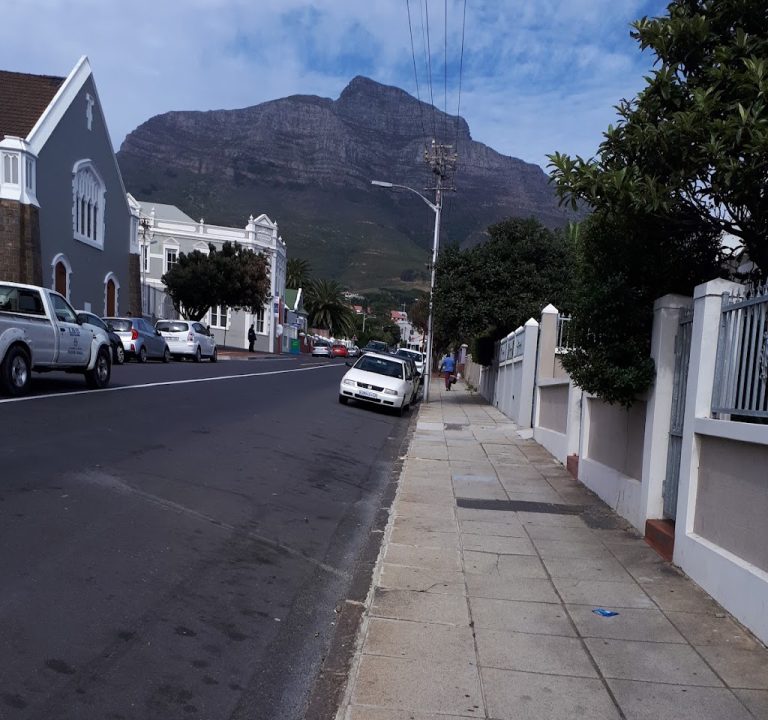
When choosing where to base yourself, consider your priorities. If you want easy access to iconic attractions and a vibrant dining scene, the city bowls and Atlantic Seaboard offer high-energy neighbourhoods with plenty of lodging choices within walking distance of cafés and bars. If you favour a quieter atmosphere and panoramic mountain scenery, a stay in the Constantia, Camps Bay, or Windward Coast areas can provide a relaxing backdrop while still being within reach of central attractions. For a taste of local life and more affordable options, the southern suburbs and the city centre can be appealing, with a mix of guesthouses, boutique hotels, and serviced apartments.
Key factors to look for when booking include location relative to your planned activities, transport access, and the character of the property. Read reviews to gauge consistency in housekeeping and service, and check what amenities are essential for you—air conditioning for warmer months, reliable Wi-Fi for remote work, or on-site parking for self-drive trips. Consider whether you’ll need easy access to airport transfers, car hire, or convenient public transport links, such as MyCiTi bus routes or train services. Many visitors appreciate properties that offer breakfast options, secure parking, laundry facilities, and flexible check-in arrangements for late arrivals.
Typical amenities across Cape Town’s accommodation spectrum include stylish common spaces, well-equipped kitchens or kitchenettes, and rooms with views of the harbour, Table Mountain, or the ocean. Some hotels and guesthouses offer spa facilities, outdoor pools, or rooftop lounges, which can elevate a stay, especially in warmer months. Self-catering units may appeal to families or longer visits, while boutique hotels often provide personalised service, insider tips, and curated experiences that reflect the local character.
Transport is a practical consideration. If you plan to explore widely by car, ensure on-site parking or nearby parking availability. For guests relying on public transport, staying near Cape Town Station or popular waterfront corridors can ease daily travel. Walking is feasible in central areas and along the V&A Waterfront, but be mindful of security and safety at night. In many areas, rideshare services or shuttle options are convenient alternatives to driving, particularly for trips to restaurants or nightlife hubs.
Timing your visit to maximise enjoyment involves considering the seasons. Cape Town’s peak tourist period coincides with the southern hemisphere’s summer and the festive season, when beaches and outdoor attractions are at their liveliest, but prices can be higher and crowds larger. Shoulder seasons—late spring and early autumn—often offer milder weather, good conditions for outdoor activities, and more agreeable room rates. January and February are popular for beach days, while March through May and September through November frequently deliver pleasant weather for hiking, vineyard tours, and scenic drives. If you’re aiming for quieter beaches and easier table availability at restaurants, plan ahead and book well in advance where possible.
Top experiences you might plan around include exploring the city’s renowned harbour and waterfront precinct, taking a cable car ride up Table Mountain (allow time for queues and weather checks), and discovering the Cape Peninsula’s dramatic coastal scenery. Outdoor enthusiasts can hike or trail-run in surrounding nature reserves, while food lovers can explore winelands nearby or sample Cape Malay flavours in historic districts. For a taste of local culture, consider neighbourhood walks, markets, and galleries that celebrate creativity and crafts. When mapping your itinerary, allow for a mix of day trips and relaxed days at your base to avoid travel fatigue.
Evening plans can be highly rewarding, with a broad spectrum of dining options ranging from casual eateries to refined restaurants. Rather than focusing on specific names, look for venues that emphasise seasonal ingredients, sustainable practices, and views or atmospheres that suit your mood—whether you want sunset cocktails by the sea, a cosy neighbourhood bistro, or a contemporary fine-dining experience. After dinner, a stroll along the promenade or a short drive to a scenic lookout can cap off a memorable day.
Practical tips for a smooth stay include pre-booking key attractions and experiences, particularly during peak seasons. Pack layers for changing weather—Cape Town can be cool in the mornings and evenings even in warmer months. Bring comfortable walking shoes for hills and uneven pavement in certain districts, and stay hydrated when exploring outdoors. If you’re staying in a self-catering property, check the kitchen facilities before shopping for groceries, and be mindful of local rules regarding waste disposal and recycling. Finally, respect local safety guidelines and cultural norms, and you’ll uncover the city’s warmth and hospitality alongside its renowned scenery.
- Plan your accommodation in relation to your must-see areas and preferred pace of travel
- Check transport options and proximity to routes for your planned day trips
- Read recent guest reviews for consistency in service and cleanliness
- Book in advance for popular seasons, especially for iconic hikes and experiences
For further inspiration and practical planning, you can browse official tourism resources and reputable accommodation directories to discover a range of stays that suit your preferences. Cape Town welcomes visitors with its blend of natural beauty, urban culture, and culinary variety, making a well-chosen base a passport to an memorable journey.