Accommodation and Experiences in Cape Town: Planning Your Stay in the Mother City
Cape Town offers a diverse range of places to stay, from stylish boutique hotels and guesthouses to self‑catering apartments and lodge-style retreat properties. The key to a comfortable visit is picking a neighbourhood that suits your plans, budget and pace. Whether you want dramatic sea views, easy access to Table Mountain, or a quieter base close to winelands and beaches, there are options to fit every travel style.
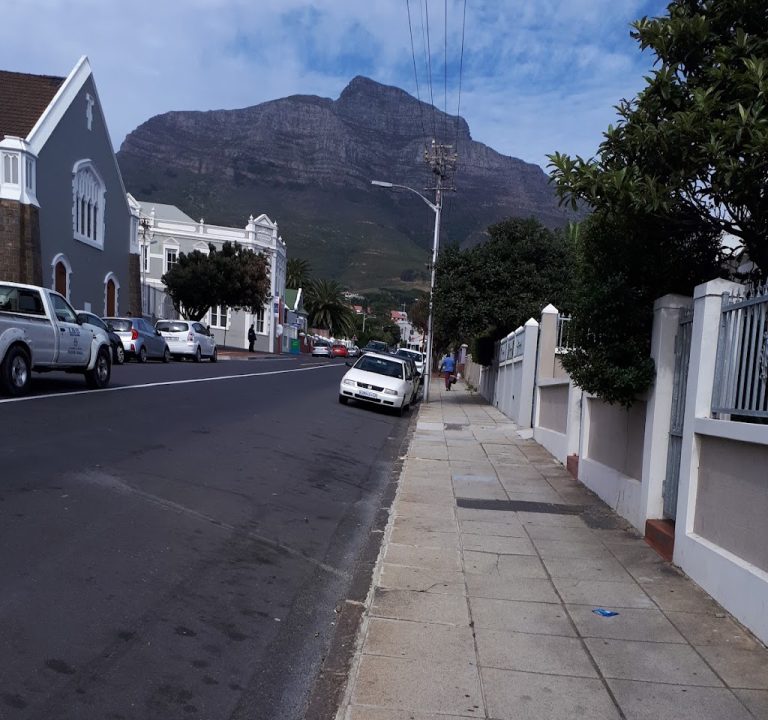
When planning where to stay, consider the rhythm of the city and daily transport needs. The Atlantic Seaboard, including areas near Camps Bay and Clifton, provides scenic beaches and upscale dining, with a focus on sea views and easy evening strolls. The City Bowl and neighbourhoods such as Gardens and the historic Bo‑Kaap offer convenient access to museums, markets, and nightlife, plus a concentration of restaurants and cafés. Constantia and surrounding southern suburbs provide leafy tranquillity, country air and a quieter pace, ideal for longer stays or family holidays, while the greater Cape Winelands region is perfect for day trips combining wine estates, scenic drives and fine dining.
Typical amenities you might expect include free Wi‑Fi, breakfast options, in-room coffee and tea facilities, private en suites, and secure parking. Boutique properties often prioritise characterful décor, personalised service and locally sourced touches, while larger hotels may provide on‑site restaurants, fitness facilities and concierge services. If you’re travelling with flexibility, look for properties offering flexible cancellation policies, a kitchenette or self‑catering options, and clear information about accessibility, especially if you plan to explore Table Mountain or nearby hills.
Booking considerations include location relative to your planned activities. If you intend to hike or visit Table Mountain frequently, staying closer to the City Bowl or V&A Waterfront can cut travel time for morning ascents or sunset views. For those chasing coastal scenery and sunset walks, the Atlantic Seaboard, Green Point and Bloubergstrand offer dramatic horizons and a more relaxed ambience. Families may prefer a property with spacious suites, a kitchenette and secure parking, usually found in southern suburbs or lodge-style accommodation outside of the central city. For longer stays, consider serviced apartments or guesthouses that offer weekly housekeeping and kitchen facilities, which can provide both convenience and value.
Transport in Cape Town is well supported by a light‑rail network and a reliable taxi service, with increasing ride‑hailing options. Many travellers find renting a car useful, especially for day trips to the Cape Point, the Constantia Valley, or the Cape Winelands. If you plan to stay near the waterfront or city centre, you might get by with walking, cycling, or short rides to most major sights. It’s wise to check whether your accommodation offers parking and the proximity to public transport routes, particularly if you plan to explore outside the city centre on some days.
The best time to visit Cape Town depends on your priorities. The spring and autumn shoulder seasons (September to November and March to May) often offer milder temperatures, fewer crowds and reasonable rates. The austral summer (December to February) brings warm, dry weather ideal for beach days and harbour strolls, while winter (June to August) offers cooler days and shorter lines at popular viewpoints, with the chance of rain. Whatever the season, daylight hours are longer in the summer, giving more time for outdoor adventures, scenic drives, and sunset experiences over the Atlantic seaboard.
What to do beyond the accommodation is equally important for a well-rounded stay. Iconic experiences include a cable car ascent to a famous mountain viewpoint, a visit to the historic Robben Island, exploring the vibrant V&A Waterfront with shops and cafés, and strolling through Kirstenbosch National Botanical Garden against the backdrop of Table Mountain. Outdoor enthusiasts can plan a route along the scenic coastal road, with opportunities for wildlife watching in the Cape Peninsula, or a hike in the nearby mountains. For food enthusiasts, Cape Town’s dining scene blends seafood, modern African flavours and international influences across a spectrum of casual eateries and fine‑dining venues. Many visitors enjoy markets and food halls offering fresh produce, coffee, and artisanal products, providing a flavourful introduction to the city’s culinary diversity.
Practical tips for a smooth stay:
- Book accommodations with good reviews for cleanliness, air conditioning (in hot months) and reliable Wi‑Fi, especially if you plan to work remotely or plan long days out sightseeing.
- Confirm access to parking if you are renting a car, and check the travel time to major sights to avoid peak‑hour delays.
- Plan day trips in advance, especially to Cape Point and the Winelands; many operators offer guided tours with convenient pick‑ups from central locations.
- Pack layers for varying weather and strong coastal winds; even in sunny periods, evening temperatures can drop near the coast.
- Respect local safety guidelines and keep valuables secure, particularly in busy urban areas and crowded markets.
To help you plan, a good starting point is to explore general neighbourhood guidance, visitor information and suggested itineraries at official tourism resources. For ideas on places to stay and what to expect, you can visit Cape Town’s official tourism site or reputable accommodation portals that emphasise traveller‑friendly stays and transparent policies. Whatever your pace, Cape Town offers memorable stays and a wealth of experiences that showcase the city’s natural beauty, flavourful cuisine and welcoming hospitality. For more inspiration, learn about current attractions and planning tips at Cape Town Tourism.