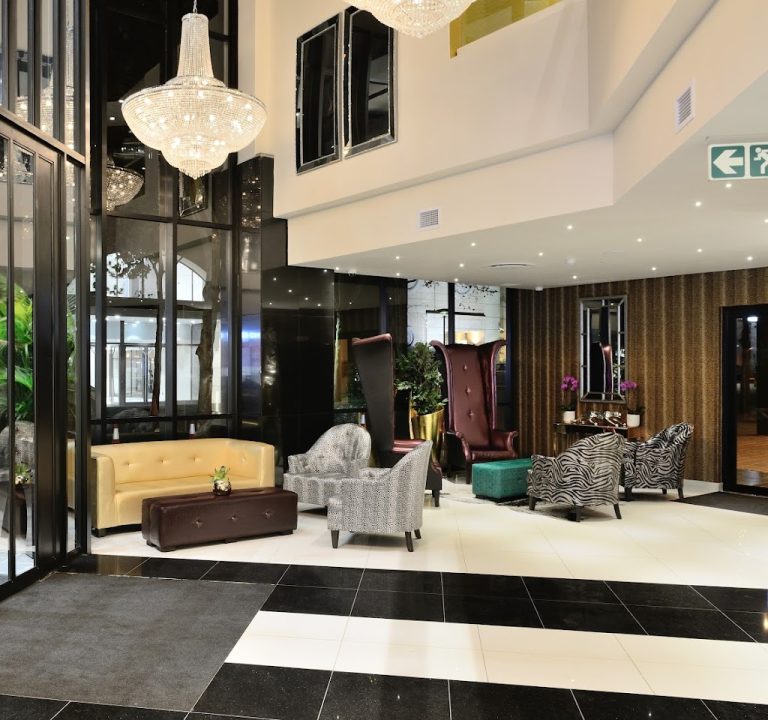
Staying in Johannesburg: accommodation, attractions and planning tips
Johannesburg, or Jo’burg, is a vibrant gateway to Gauteng and a city of contrasts, where modern shopping districts sit alongside leafy residential suburbs and historic townships. For travellers seeking a comfortable base, there are diverse options ranging from intimate bed and breakfast homes to stylish boutique hotels and family‑run guesthouses. When choosing a place to stay, consider the character of the neighbourhood, ease of transport, safety features, and the sort of experiences you want to pursue during your visit. A well‑placed B&B such as Shrubland Rose can offer a welcoming home‑from‑home atmosphere, personalised recommendations, and a convenient launchpad for day trips and city exploring.
Areas to consider depend on your priorities. The northern suburbs often attract visitors with quieter streets, parks and proximity to business districts, while the central and northern‑city belt provides easy access to museums, markets and dining hubs. If you are keen on a calmer, residential ambiance with a touch of character, a boutique guesthouse in a leafy suburb can feel like a restful retreat after busy days. For those interested in urban culture and nightlife, staying nearer to the city centre or in popular neighbourhoods with cafés, art spaces and restaurants can shorten travel times and heighten your sense of discovery. When booking, verify the distance to the places you plan to visit, whether you are relying on taxis, rideshare apps, or public transport, and check whether the guesthouse offers parking or shuttle options.
Typical amenities in well‑regarded accommodation include comfortable in‑room amenities, a private or shared en‑suite bathroom, secure access, ample breakfast service, and friendly hospitality. Example B&Bs such as Shrubland Rose often highlight a personalised welcome, daily breakfast using locally sourced ingredients, and spaces designed to feel like a homely extension of your own home. Look for quiet bedrooms with good ventilation, reliable Wi‑Fi, a comfortable desk if you need to work, and clear information about nearby dining and entertainment options. If you require mobility or accessibility considerations, confirm the room layout, ramps or elevator access, and whether facilities can be adapted to suit your needs.
Transport in Johannesburg is practical but can be variable by area. Your planning might include a mix of car hire, rideshare services, and short hops on taxis or buses. If your stay is centred in a busy district or near major transport routes, confirm parking arrangements at your accommodation and whether the property offers easy access to ranks, stations or tram routes where applicable. For day trips beyond the city, such as to the nearby cradle of humankind or nature reserves, it helps to have a car or to arrange guided tours through a reputable operator. Some properties can assist with arranging airport transfers or local day tours, which can save time and ensure you visit highlights with confidence.
Best time to visit Johannesburg depends on your plans. Spring (September to November) and autumn (March to May) often offer pleasant temperatures and fewer crowds. Summer brings occasional showers and warm days, which can be good for nature outings and markets. Winter is mild by many standards but can be quite cool in the evenings; it is still a fine time to explore museums, galleries and indoor attractions. If you want to catch markets, food events or live music, align your stay with local event calendars and check opening times ahead of your arrival.
When planning an itinerary, balance must‑see attractions with time to unwind. In general terms, you might structure a stay around Johannesburg’s cultural heart: museums detailing the country’s past, world‑class galleries, historic townships, and vibrant street life. For a broader sense of the region, consider day trips to nearby natural landscapes or to heritage sites that showcase the country’s rich diversity. Dining in Johannesburg ranges from modern bistros to traditional and ethnic eateries, so you can sample a range of flavours without going far from your base. Many substantial venues offer light meals, coffee, pastries and reliable vegetarian or halal options, alongside more substantial dinners—perfect for recharging after a day of sightseeing.
Booking tips to help you secure a comfortable stay include:
- Read recent guest reviews for insight into cleanliness, service standards and how responsive the host is.
- Check whether breakfast is included, and what dietary options are available.
- Confirm access details, such as check‑in times and whether late arrivals can be accommodated.
- Ask about security features, especially if you are staying in a district with mixed perceptions of safety.
- Investigate cancellation policies in case travel plans shift.
- Look for a guesthouse with local knowledge: hosts who can point you to lesser‑known eateries, markets and scenic spots can greatly enhance your stay.
For those seeking recommendations, it is sensible to approach the city with a flexible plan. A stay in a guesthouse or boutique bed‑and‑breakfast can offer a homely base from which to discover neighbourhoods by foot or by short rides. You can expect to strike a balance between downtime in a comfortable room and active days exploring the city’s museums, markets, and evolving dining scene. A thoughtful plan also includes practical considerations—packing for a range of weather, staying hydrated, and budgeting for occasional paid experiences or guided tours that provide context and enhance your understanding of the city’s history and culture.
As you build your trip, remember that Johannesburg has numerous experiences to offer beyond the obvious sights. Markets, art districts, botanical spaces, and local eateries can provide memorable moments that feel intimately connected to the city. For further inspiration and visitor information, consult official tourism resources online and consider booking through reputable local providers who can tailor a stay around your interests. If you wish to learn more about current events or weekend happenings, visiting the city’s official tourism pages can yield practical ideas and up‑to‑date details for planning.