Accommodation and Experiences in Johannesburg, Gauteng
Johannesburg, often simply called Jo’burg or Joburg, is a dynamic gateway to Gauteng’s urban energy and natural beauty. When planning a stay, consider the city’s varied neighbourhoods, each with its own character and easy access to transport links and eateries. From business hubs in Sandton to creative quarters in Braamfontein and the leafy suburbs around Rosebank, there are plenty of options to suit different tastes and budgets. A well-chosen base can cut travel time and maximise your time for exploring museums, markets, parks and the city’s diverse dining scene.
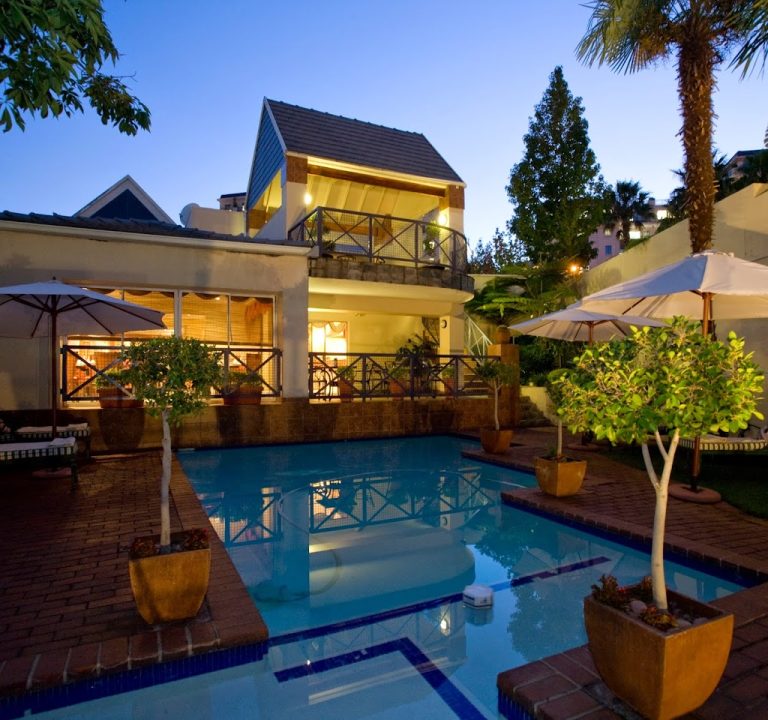
Typical accommodation in Johannesburg spans stylish boutique guesthouses, reliable full-service hotels, modern city-centre apartments, and family-friendly lodges on the outskirts. Look for properties that balance convenience with comfort: well-regarded housekeeping, quiet rooms, dependable air conditioning for hot days, and secure parking or easy public transport access. If you’re visiting for business, you may prioritise fast Wi‑Fi, workstation-friendly rooms, and proximity to conference venues or corporate districts. For leisure stays, a pool, on-site restaurant, and easy access to outdoor spaces can enhance your routine.
Transport is a practical planning factor. The city operates a rail link that connects several suburbs with the airport region, and rideshare services are widely available. In addition to public transport, many visitors prefer hotels with reliable on-site parking or partnerships with local drivers for airport transfers. When budgeting, factor in daily trips to key sights, markets, and dining districts, particularly if you plan to stay outside central Johannesburg. If you’re exploring beyond the city, consider day trips to surrounding countryside or wildlife reserves, which can be reached by a guided tour or car hire arranged through your accommodation.
Areas to consider for a stay include:
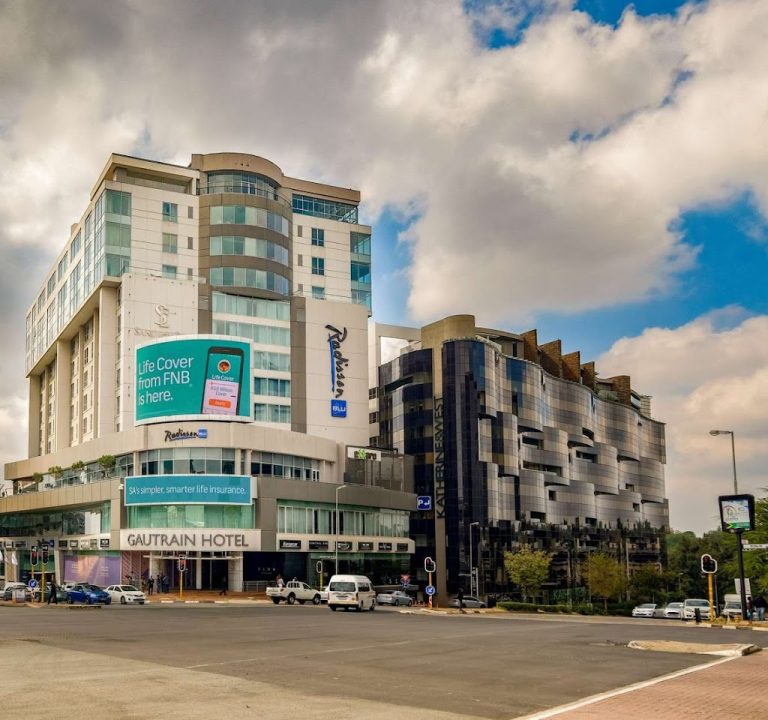
- Sandton: a thriving business and shopping hub with modern hotels, easy access to the Gautrain, and a range of dining options.
- Rosebank: a well-connected area with markets, galleries, and a mix of boutique stays and hotels, plus convenient transport to central Johannesburg.
- Braamfontein and Newtown: energetic, cultural neighbourhoods with vibrant nightlife, theatres, and street art, suitable for travellers seeking a city-centre experience.
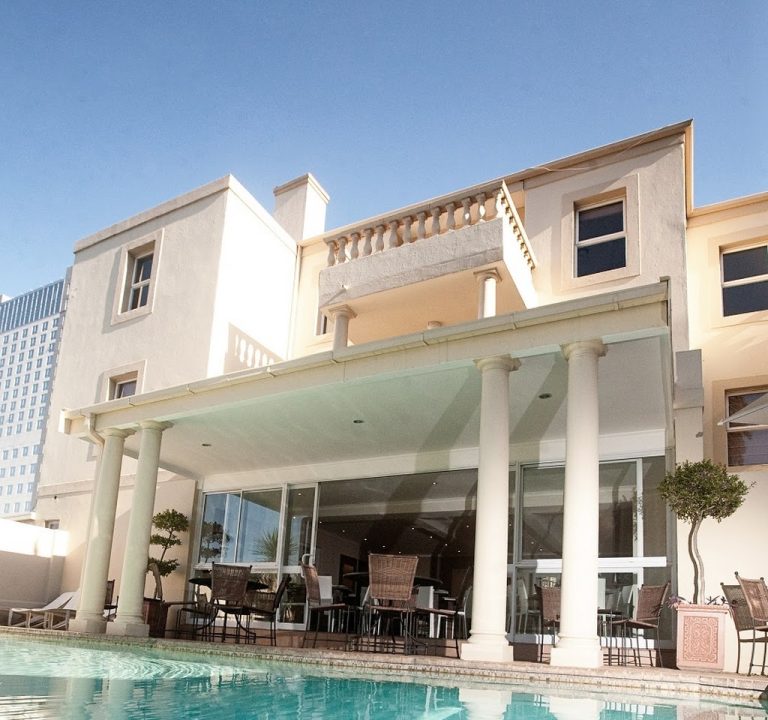
- Green suburbs and lodge-style stays: quieter choices a short drive from the city core, often with more outdoor space and facilities such as pools or gardens.
When booking, look for clear room descriptions and guest reviews that reflect recent stays. Check what is included in the rate—breakfast, parking, gym access, and late check-out policies can significantly affect value. Consider cancellation terms and whether the property offers flexible options in case travel plans shift. If you have particular needs, such as accessible facilities, request confirmation in advance to avoid surprises on arrival.
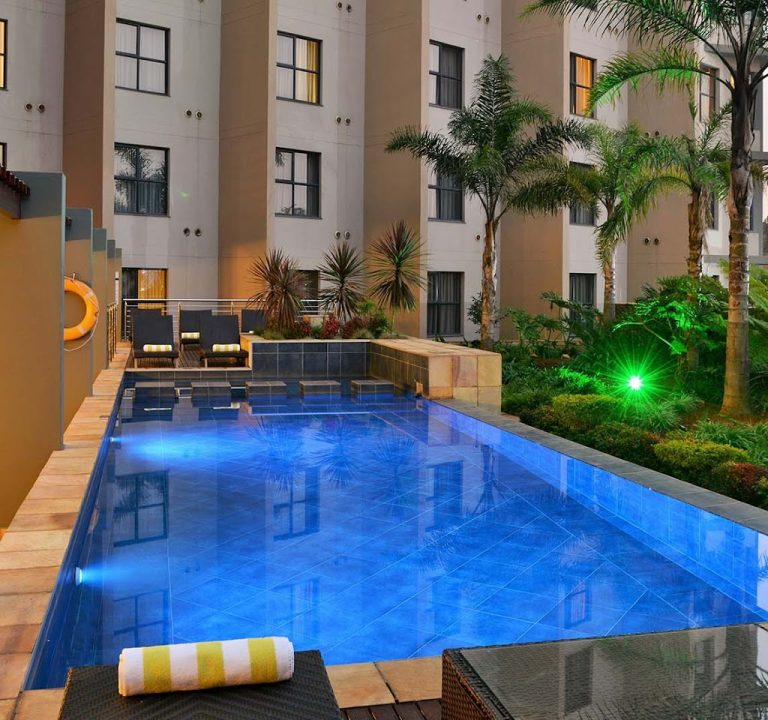
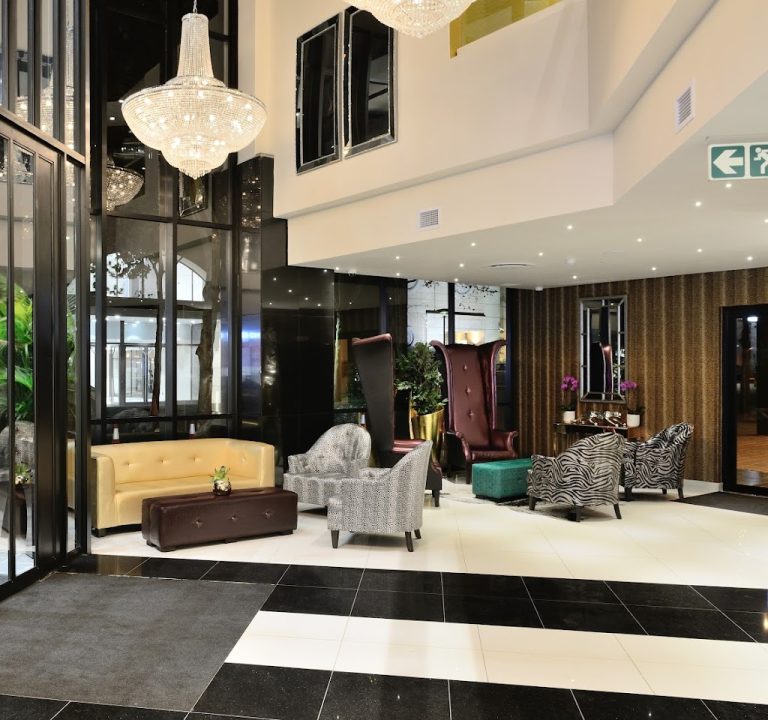
Typical hotel amenities you might encounter include a well-equipped gym, a pool, a restaurant or café, 24-hour reception, and secure access to the building. In-room conveniences often feature air conditioning, a comfortable desk or work area, a fridge or minibar, a television with international channels, and a safe for valuables. For families, look for family rooms or suites, while business travellers may favour properties with meeting spaces and responsive concierge services. A light in-room kitchenette or access to a guest lounge can also be a plus for longer stays.
Dining and local experiences play a central role in a Johannesburg visit. The city’s dining scene ranges from modern bistros to casual eateries and traditional South African flavours, often within easy reach of most hotels. In addition to on-site dining, explore nearby districts for markets, coffee houses, and diverse eateries offering everything from light lunches to memorable dinners. For added value, consider arranging a morning stroll through a local market or a guided neighbourhood walk to understand the city’s history and daily life better.
The best time to visit depends on personal preferences. Johannesburg enjoys a generally mild winter and a warm summer, with afternoon thunderstorms more common in the warmer months. The city’s high altitude can lead to quick changes in weather, so it’s wise to pack layers. If you’re planning outdoor excursions or day trips, spring and autumn often provide pleasant conditions for exploring parks and surrounding attractions. For those seeking festive energy, weekends and public holidays bring markets, live music, and street performances in various districts, especially in central and urban renewal areas.
Practical tips to help you plan successfully:
- Choose a base with straightforward transport links to the airport, business districts, and key sights.
- Prepare for a city feel: security-conscious areas, daylight travel, and secure luggage storage when you head out for longer day trips.
- Confirm parking arrangements if you drive, or verify proximity to reliable rideshare services and public transport.
- Assess whether you prefer a hotel with a restaurant and pool, or a guesthouse with a self-catering option and local charm.
- Use reputable booking platforms and read recent guest reviews to gauge cleanliness, service quality, and neighbourhood safety.
For a broader view of Johannesburg’s offer, the official tourism and city information sites provide current guides on districts, cultural highlights, seasonal events, and itineraries. Booking a stay that integrates comfortable accommodation with convenient access to sights and dining can help you make the most of your Johannesburg visit, whether your plans revolve around business, culture, or a relaxed urban escape.