Where to Stay and What to Do in Johannesburg: A Practical Guide for Visitors
Johannesburg, known to locals as Jo’burg or Joburg, is a vibrant gateway to South Africa’s Magaliesberg and the broader Gauteng region. A stay here offers a mix of stylish BnBs, boutique guesthouses, family-friendly lodges, and well-appointed cottages that suit a range of budgets and travel styles. When planning a visit, consider not only where you will rest your head, but also how you will move around, what you want to see, and how to balance city energy with quieter neighbourhoods. A well-chosen base can make a big difference to your overall experience.
Areas to consider when booking a stay in Johannesburg include the central and northern suburbs, each with its own character and access to attractions, restaurants, and transport. The central business district combines historic architecture with modern eateries and cultural institutions. Sandton offers a more cosmopolitan feel with malls, business centres and easy rail links. Rosebank, Melville, and Parkhurst provide a village-style atmosphere with shops, bars, and markets within walking distance. If you prefer leafy streets and a calmer vibe, places in the northern precincts and suburbs such as Linden or Bryanston can be ideal bases while still being reasonable to reach the city centre by car or taxi.
When looking to book, consider these practical factors:
- Proximity to the places you plan to visit, balanced with safe, well-lit routes for evening strolls.
- Transport access, including railway links, reliable Uber or taxi options, and on-site parking if you are driving.
- Security features, such as 24‑hour reception, secure parking, and well-reviewed neighbourhood safety records.
- Room configurations and amenities, including reliable Wi‑Fi, air conditioning or heating, and a comfortable workspace if needed.
- Guest policies, including breakfast arrangements, self-catering facilities, and access hours for common areas.
Typical amenities in Johannesburg accommodation range from continental breakfasts and self‑catering facilities to en-suite bathrooms with generous space. Some guesthouses and cottages offer private entrances, patios or gardens, and a small kitchenette. In many properties, a friendly host can provide personalised tips on local markets, safer dining options, and suggested day trips. For longer stays, a place with a small kitchen and laundry facilities can be especially convenient.
Practical planning tips include arranging airport transfers or knowing which transport options are most convenient for your itinerary. If you plan to venture to the northern suburbs or neighbouring regions, a hire car often provides the greatest freedom, though well-connected rideshare services and reputable tour operators are widely available. When your day involves city sights and shopping, choosing a stay near a reliable transport corridor can reduce time spent commuting.
The best time to visit Johannesburg depends on your activities. The city enjoys a temperate climate with warm summers and mild winters. If you are aiming for outdoor markets, gardens, and street-food adventures, spring (September to November) and autumn (March to May) offer comfortable temperatures and lively street life. If you are visiting for major events or conferences, align your booking with the event calendar, keeping an eye on peak demand periods so you can secure better room rates and availability.
Day-to-day planning can be enhanced by a few practical habits. Confirm what is included in your booking—some properties offer breakfast or self-catering facilities that can influence daily meal planning. Plan a mix of indoor and outdoor experiences to avoid the heat in peak afternoon hours in summer, and to enjoy cooler mornings for city walks or park visits. In terms of safety, follow common-sense guidance: stay in well-populated areas after dark, keep valuables discreet, and use reputable transport services.
Attractions and experiences in Johannesburg span culture, nature, and cuisine. Within the city, there are excellent galleries and museums that showcase South Africa’s history and contemporary art. Parks and urban gardens provide green spaces for relaxation, picnics, and walks. For a broader sense of the region, day trips to nearby natural landscapes or historic towns can be part of a well-rounded itinerary. When it comes to food, Johannesburg’s dining scene ranges from casual markets and cafe culture to refined eateries. In most areas you will find a variety of options that reflect South African flavours alongside international influences, and many neighbourhoods offer lively evenings with family-friendly or casual dining environments.
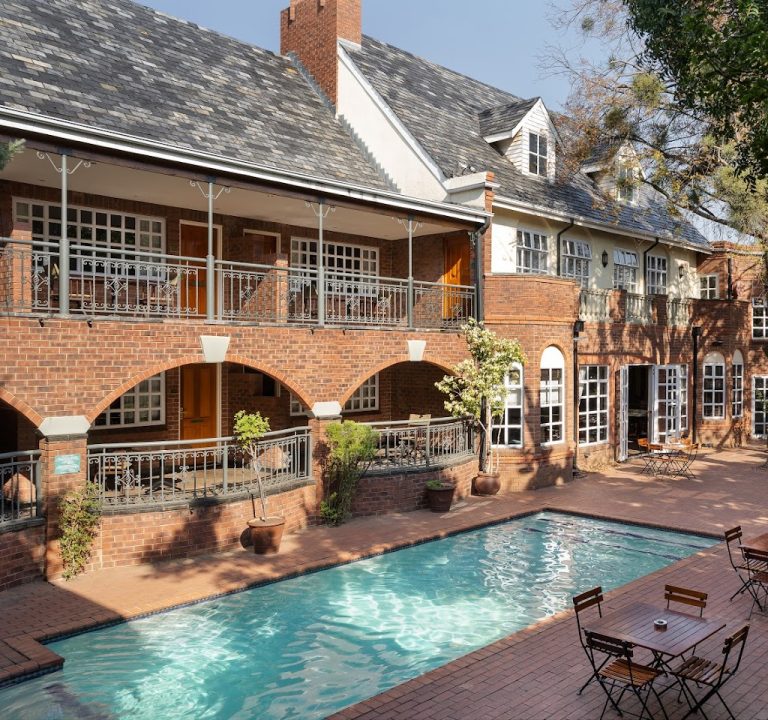
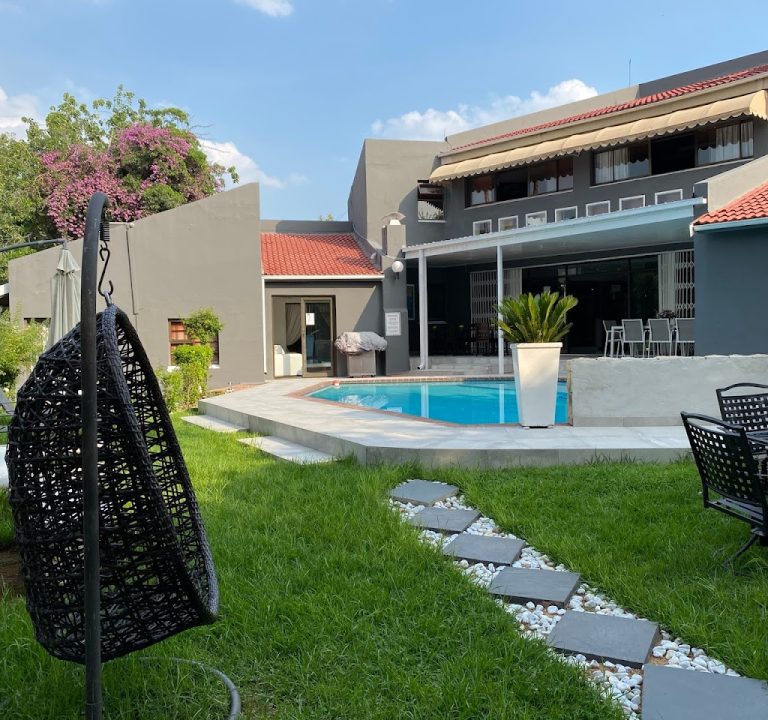
For an illustrative example of an accommodation option, consider a stay such as Smudgeblu guest cottage, a cottage-style property that could offer a compact, comfortable base with self-contained facilities and garden access. Each stay varies, so it is helpful to read recent guest reviews and check for photos that show the room layout, bathroom amenities, and any outdoor spaces. If you are exploring specific neighbourhoods, consult local tourism resources for maps and walking routes to minimise travel time between attractions and meals.
To help with planning, you can explore official tourism resources and city guides online for Johannesburg and Gauteng. These sources can provide up-to-date ideas on markets, galleries, parks, and family-friendly activities. When you book, you might also find links to neighbourhood walk routes, public transport maps, and tips from hosts on the best times to visit popular areas. A balanced itinerary—combining rest with discovery—will help you enjoy Joburg’s energy while providing moments of calm during your stay.