Cape Town: A Visitor’s Guide to Accommodation and Local Experiences
Cape Town blends dramatic natural beauty with a vibrant urban scene, making it a versatile destination for travellers seeking comfort, culture and easy access to the region’s standout attractions. When planning a stay, consider the area you want to base yourself in, the style of accommodation you prefer, and how you’ll move around to make the most of your time. From elegant guest houses to modern self-catering options, you’ll find a range of choices that suit different budgets and itineraries.
Popular areas to consider include the city centre and the historic suburb of the City Bowl for easy access to museums, markets and fine dining, and the Atlantic Seaboard for coastal views and chic cafés. If you want a quicker link to the outdoors, the Southern Suburbs offer leafy streets and access to hiking trails, while the winelands are a short drive away for day trips. For beach lovers, Camps Bay, Clifton and Green Point provide waterfront ambience and convenient transport links to the wider peninsula. When booking, think about proximity to your priorities—whether that is a first-class restaurant scene, easy public transport, or a quieter, leafy neighbourhood with parking.
Typical accommodation types range from small guest houses and B&Bs to self-catering apartments and boutique hotels. Look for options that clearly list what is included in the rate, such as daily housekeeping, self-catering facilities, a self-service kitchenette, or access to common spaces. A reputable guest house or self-catering property may highlight the character of the building, thoughtful touches like quality bedding, reliable Wi‑Fi, clean communal spaces, and transparent policies on check-in and check-out. If you’re staying in a guest house with a local host, you may enjoy personal recommendations about the area, markets, and off-the-beaten-track attractions.
When planning your stay, consider the following practical points to help you book confidently:
- Location and accessibility: Proximity to main sights, public transport, and easy routes to the peninsula and airport can save time and money.
- Facilities and amenities: Confirm whether a property offers self-catering facilities, parking, and 24-hour security, and whether guests have access to a shared lounge or terrace.
- Room configuration and privacy: Check room sizes, en-suite bathrooms, and whether you’ll have a private entrance or shared spaces, particularly in smaller guest houses.
- Cleanliness and ratings: Read recent guest reviews for consistency in cleanliness, service, and responsiveness of hosts or managers.
- Pricing and refunds: Review what is included in the rate, such as taxes, breakfast, and cancellation terms, to avoid surprises later.
- Transport options: Start and end points of day trips, car hire availability, and the ease of getting around without relying solely on taxis.
Typical amenities you may encounter include well-equipped kitchens or kitchenette areas, complimentary Wi‑Fi, secure parking, and flexible breakfast options. Some properties incorporate communal spaces where guests can mingle or cook, which can be a social plus for travellers seeking local tips. In contrast, boutique stays often emphasise design and a personalised welcome, with hosts keen to share insights on neighbourhoods, markets, and scenic routes along the coast or up Table Mountain. If you’re visiting during peak season, booking well in advance is advisable, as popular areas can fill quickly around holidays and major events.
To get the most out of your Cape Town stay, combine your accommodation choice with a well-planned itinerary. Start with a natural must-see: the iconic Table Mountain and surrounding nature reserves, then explore the V&A Waterfront for a mix of shopping, dining and harbour views. The nearby Cape Peninsula offers dramatic coastal drives and beaches, mixed with charming towns and viewpoints along the way. Inside the city, you’ll find museums, galleries and markets where you can encounter local crafts, food stalls and live music. For a balanced experience, slot in a day to explore one or two nearby winelands towns for a relaxed wine-tasting excursion, punctuated by scenic stops and a leisurely lunch.
Dining in Cape Town ranges from established fine-dining rooms to casual eateries serving fresh seafood, regional produce and globally inspired fare. It is common to plan for a mix of experiences—from a stylish dinner to a casual market-style meal with friends or family. Critics of the scene often emphasise sustainable choices, seasonal produce and a sense of place in menus, without dwelling on specific prices or awards. Booking ahead for popular spots is wise, particularly with seasonal fluctuations in demand.
For convenience, many travellers choose accommodation with easy access to transport hubs or major bus routes. If you prefer car hire, ensure parking arrangements are clear in advance, especially in busy urban areas where street parking may be restricted. If you’re visiting from overseas, consider a SIM plan or portable Wi‑Fi to stay connected for maps and local recommendations, which can be invaluable as you navigate different neighbourhoods and attractions.
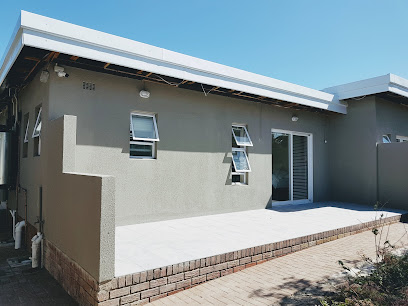
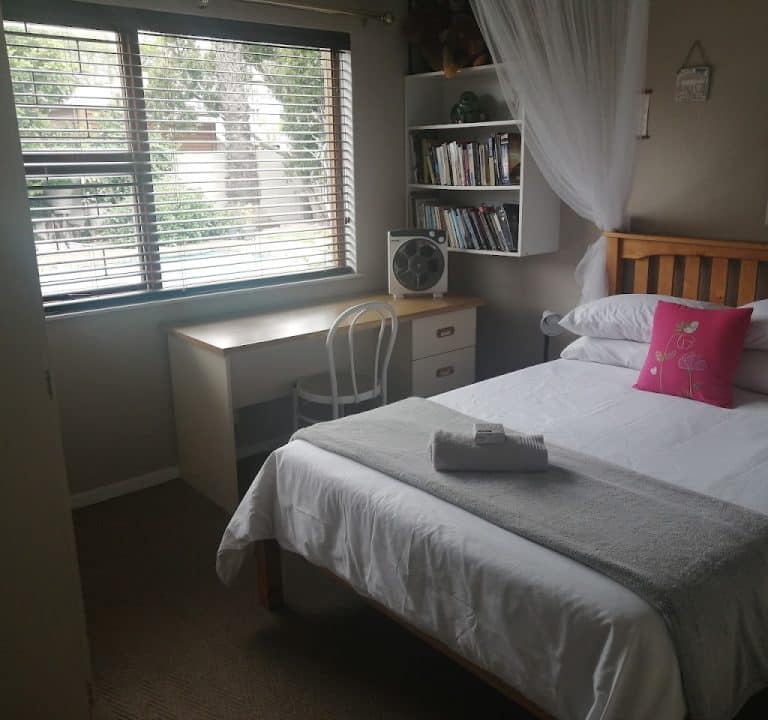
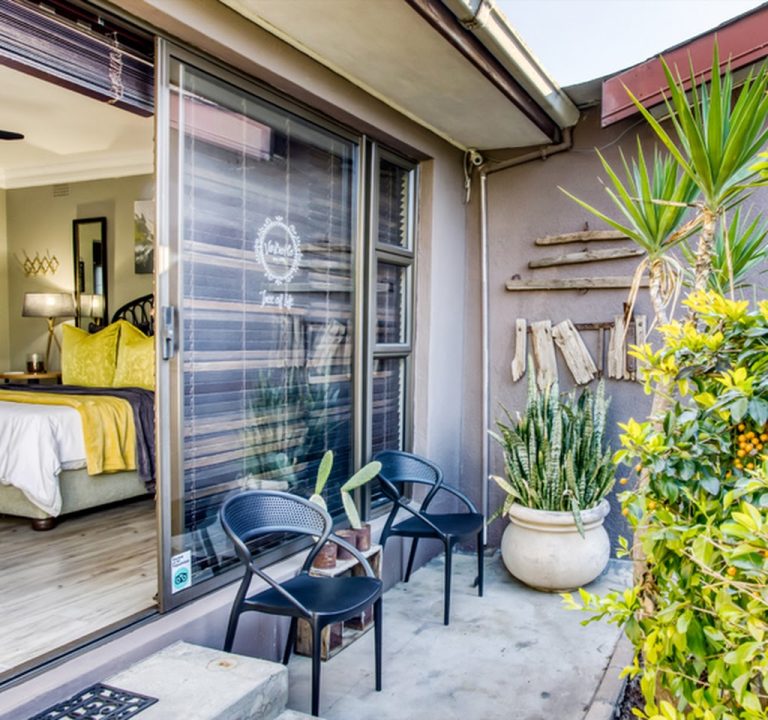
As an example of accommodation styles in Cape Town, you might come across guest houses and self-catering options that combine a comfortable stay with a sense of place. One such option, Sharon’s House Self-catering accommodation, typifies the kind of welcoming, intimate stay that can suit travellers looking for convenience and a home-from-home feel while exploring the city and its surroundings. For further information on Cape Town accommodation and planning resources, reputable travel sites and official tourism pages offer practical guidance and up-to-date tips on what to see and how to get around.