Durban, KwaZulu-Natal: A practical guide to accommodation and things to do
Durban offers a warm, subtropical city experience with a coastline that stretches along the Indian Ocean and a backdrop of hills and forests. When planning a stay, consider the area that best fits your priorities—beach access and family-friendly activities, easy access to the city centre for business or culture, or a quieter neighbourhood with charming guesthouses and restaurants. The city is well connected by taxis, ride‑hail services, and a growing public transport network, making it feasible to stay a little further from the beachfront and still get around easily.
Areas to consider for your stay include the Golden Mile and North Beach for immediate sea access, the bustling centre around the harbour and MyCiTi routes for convenience, and southern suburbs such as Morningside and Umbilo for a more residential, leafy vibe. Umhlanga and the KwaZulu-Natal coast beyond the city offer upscale hotels and apartment-style stays with excellent beaches and dining. For a stay that blends a strong local flavour with comfortable amenities, look for boutique guesthouses or small hotels in nearby residential streets.
When you are choosing accommodation, think about what will make your trip easiest. Look for properties with secure parking if you plan to hire a car, or good access to public transport if you’ll primarily rely on taxis or ride‑hailing. A central location can save time on travel, while a quieter, hillside setting may offer better views and a more relaxed atmosphere. It’s helpful to read recent guest reviews for notes on noise levels, housekeeping standards, and the reliability of Wi‑Fi, as these factors can significantly affect a Durban stay.
Typical amenities to look for include en-suite bathrooms, air conditioning or good ventilation, reliable Wi‑Fi, and in-room storage. A comfortable bed, adequate lighting for reading, and a well-equipped kitchenette or access to a shared kitchen can be convenient, especially for longer visits. If you travel with children, inquire about family rooms, baby cots, and the presence of a safe, monitored pool or garden. Parking options—secure, shaded, or on-site—are worth confirming, as Durban’s streets can be busy and parking spaces limited in some districts.
Durban’s weather is warm most of the year, but the best time to visit for outdoor activities is typically from late spring to early autumn (October to March), when the sea is lively and the city hosts markets and events. It can be hot in the peak of summer, so an accommodation with air conditioning or fans is a welcome feature. Durban also experiences a wetter period in the summer months; if you plan outdoor adventures or coastal walks, a flexible itinerary helps in case of showers. Outside the peak season, you may find more availability and better value, with still pleasant conditions for beaches and nature trips.
Getting around the city is straightforward, but a little planning helps. If you are staying near the beachfront, walking along the promenade is pleasant, but the internal streets can be busy. Uber and other ride‑hail services are common, and the MyCiTi bus network offers a practical public option with routes linking major gateways, the city centre, and some coastal areas. If you hire a car, be mindful of local driving customs and the potential for limited parking in busy areas. For day trips to inland attractions or nature reserves, having a car can save time and expand your itinerary.
Durban’s attractions for all interests range from family-friendly marine life and water parks to cultural experiences and lush gardens. You can expect opportunities to stroll along the Golden Mile, explore the harbour district, and enjoy views from iconic bridges or viewpoints. The surrounding region offers opportunities to visit wildlife reserves, scenic valleys, and cultural centres that showcase Zulu heritage and Indian-influenced cuisine that reflects the city’s diverse history. For many visitors, a mix of seaside relaxation, markets, and a few guided tours provides a balanced palette of experiences.
Food options in Durban reflect its cosmopolitan character. Expect vibrant markets, cafés, and restaurants serving Indian, African, Malay, and contemporary fusion cuisines. When planning meals, you may choose to sample street food, enjoy coastal seafood spots near the harbour, or dine in established restaurants that focus on fresh, seasonal ingredients. Many accommodation options include breakfast or offer compact kitchen facilities, which can be convenient if you prefer to dine in after a day of sightseeing.
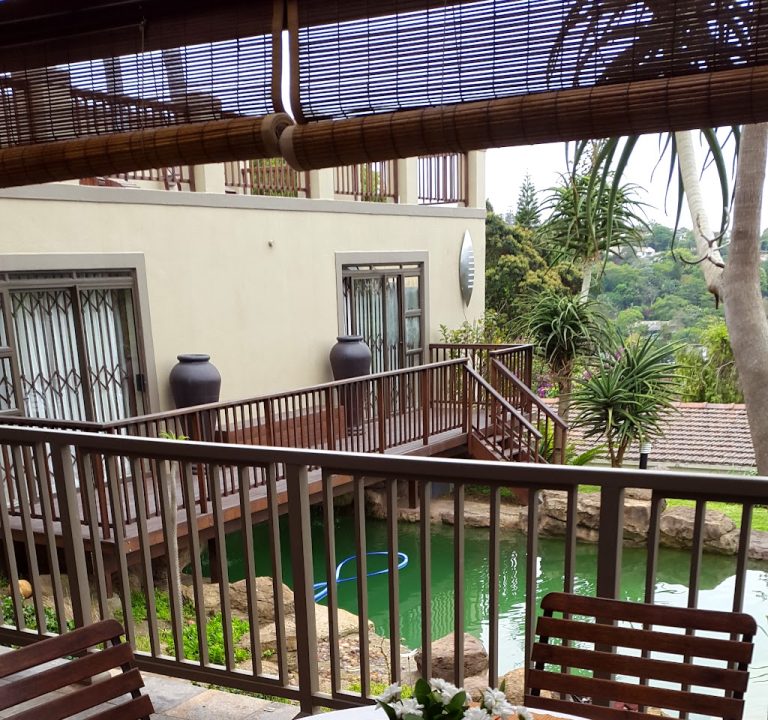
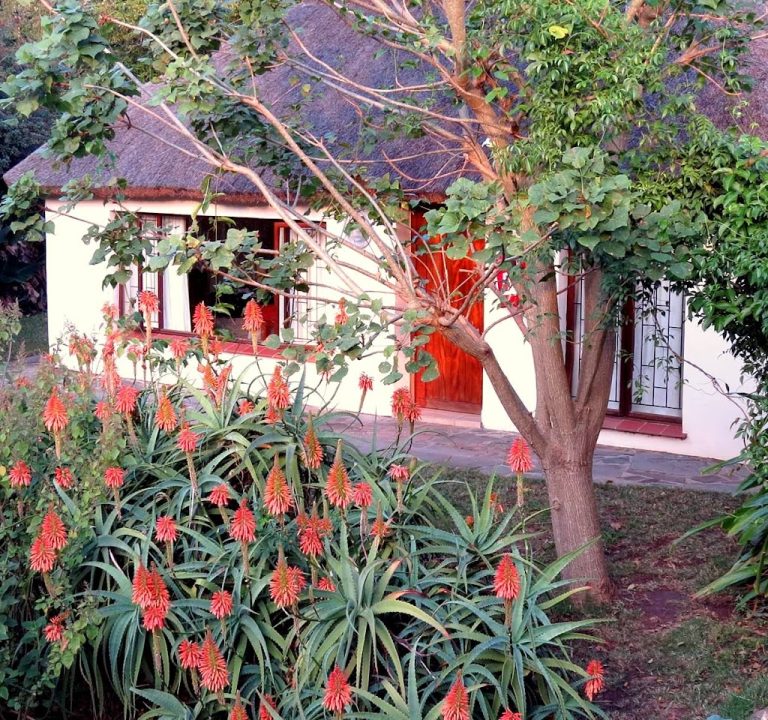
One example of a local stay is Shalem Guest House, a property that represents the intimate, guesthouse approach found across central Durban. It highlights how smaller, individualised accommodations can complement larger hotels by offering personal service, characterful rooms, and a home-from-home atmosphere. If you are considering a stay that blends privacy with approachable hospitality, such guesthouses can be a strong fit.
Practical tips to finish your planning:
- Check cancellation policies and terms related to weather or travel plans, particularly during peak seasons or when events may affect availability.
- Read recent guest reviews with emphasis on cleanliness, security, and guest support.
- Decide whether you prioritise beach access, proximity to restaurants, or easy access to major transport hubs.
- Ask about security features, such as gated access, well-lit surroundings, and safe storage for valuables.
- Bring light clothing for the coastal climate, sun protection, and a light sweater for cooler evenings near the sea.
Durban offers a welcoming base from which to explore the wider KwaZulu-Natal region. With careful planning around area choice, amenities, and transport, you can tailor a stay that balances relaxation, culture, and convenient access to Durban’s coastline and hinterland attractions. Website pages for individual hotels or guesthouses can provide the latest photos, room configurations, and package options to help you compare and book with confidence.