Durban, KwaZulu-Natal: Accommodation, Attractions and Planning Your Stay
Durban offers a vibrant mix of seaside charm, subtropical climate and a calendar full of cultural and culinary experiences. When planning a stay, it helps to think in terms of neighbourhoods, transport links and the pace you want from your visit. Coastal stays along the Golden Mile or the quieter neighbourhoods near the harbour can suit different itineraries, while inland options in the central business district or residential suburbs provide easy access to markets, parks and family-friendly attractions.
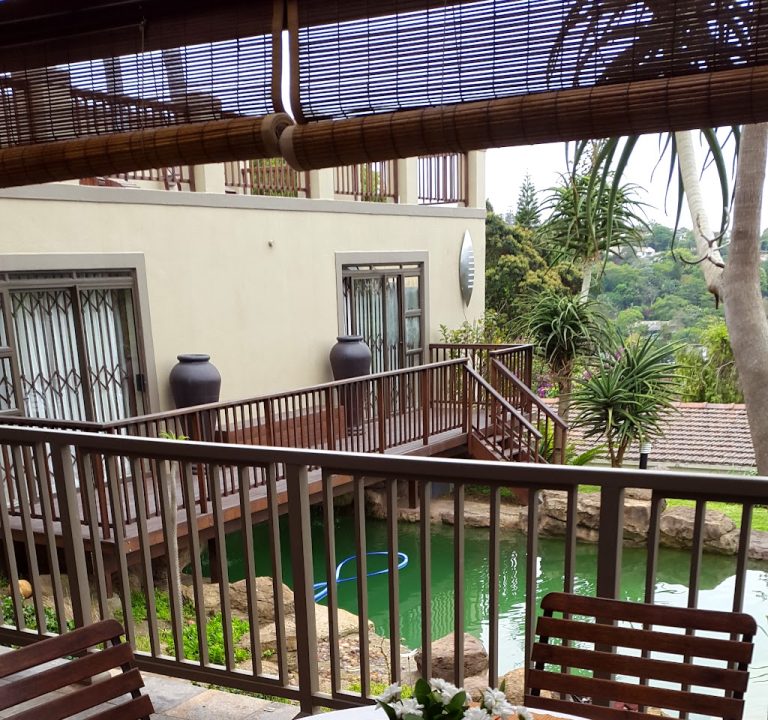
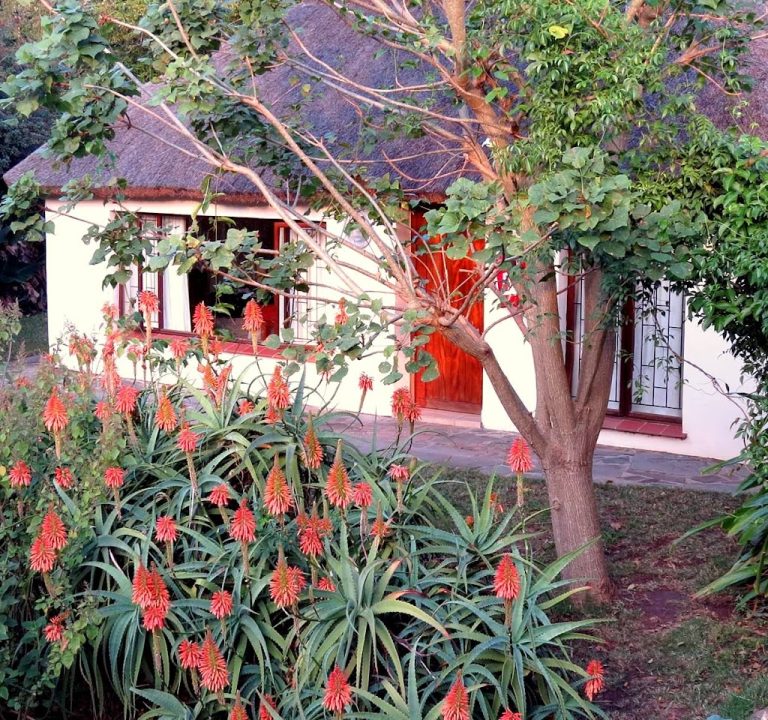
Accommodation in Durban spans traditional guesthouses, boutique hotels, modern apartments and family-friendly lodges. If you are seeking genuine hospitality with a personal touch, consider a B&B such as Ingwenya Bed And Breakfast, which offers the comfort of a home-from-home stay alongside convenient access to the city’s attractions. When booking, look for clear room details, including bed type, en-suite facilities, on-site parking, strict hygiene standards, and whether breakfast is included or available on request. Check what is offered for families, solo travellers or business guests, and whether you can request early check-in or luggage storage if your schedule is tight.
Typical amenities to prioritise include reliable air conditioning or fans for Durban’s warm months, secure parking if you are driving, free Wi‑Fi, and guest lounge areas where you can relax after a day exploring the city. Many properties in Durban blend stylish interiors with local character, offering décor inspired by the city’s Indian Ocean heritage and its contemporary design scene. If you travel with children, a property with a small garden, pool or easy access to outdoor spaces can be particularly appealing.
Neighbourhoods to consider:
- Durban’s Golden Mile and beachfront precincts: ideal for walkers, joggers and families who want sea views, souvenir stalls and a manageable stroll to eateries along the promenade.
- Morningside and Point Waterfront: convenient for quick access to shops, casual dining and a range of apartment stays with modern conveniences.
- Umhlanga and the northern suburbs: popular for upscale hotels, longer stretches of sandy beaches and a more relaxed, resort-style feel, often with easy access to golf courses and spa facilities.
- Centre and Glenwood: great for guests who enjoy cultural buzz, markets, theatres and a selection of guesthouses tucked into leafy residential streets.
Transport for exploring Durban is straightforward. A car offers the most flexibility, but many areas are well connected by taxis, ride-hailing services and local bus routes. If you plan to stay near the coast, you may find walking and cycling paths along the promenade enjoyable and practical for short trips to cafés and beachfront attractions. When booking accommodation, check whether the property offers parking, proximity to major bus or taxi hubs, and easy access to main routes to nearby towns and regional attractions.
Best time to visit Durban depends on your priorities. The city enjoys a subtropical climate, with warm summers and mild winters. Summer (roughly October to March) brings longer days and more humidity, with occasional rain showers. Winter (May to August) is drier and pleasantly mild, making it comfortable for sightseeing and outdoor markets. If you are hoping to attend outdoor events or markets, planning around school holidays can help you catch family-friendly activities without peak crowds. Remember to pack light layers, sunscreen, a hat, and a light rain jacket for the occasional shower.
When planning activities, consider a mix of outdoor and cultural experiences. Beach time is a given in Durban, but you can also explore nature reserves, subtropical forests and coastal trails. Cultural precincts showcase a blend of local crafts, music and cuisine, with opportunities to learn about the city’s history and future development. For dining, Durban’s restaurant scene spans casual African-inspired eateries, seafood shacks near the shore, and contemporary venues that highlight regional flavours. You will find options suitable for families, groups and travellers seeking a relaxed evening after a day outdoors. For those with a sweet tooth or a love of markets, there are regular local markets and street-food stalls offering a flavourful taste of the region.
Practical tips for a smooth stay:
- Book early for peak periods and major events, especially in coastal hotels and guesthouses near the promenade.
- Verify cancellation policies and whether your rate includes breakfast or provides flexible booking terms.
- Ask hosts about safe parking arrangements and accessibility to main travel routes or taxi hubs.
- Reserve dining plans or recommendations in advance if you are visiting during busy weekends or holiday periods.
- Consider combining a coastal stay with a day trip to inland reserves or nearby towns to maximise your itinerary.
Durban’s tourism climate is friendly to solo travellers, couples and families alike. A well-chosen base—whether a cosy guesthouse in a leafy suburb, a modern apartment near the Beachfront, or a boutique hotel with a view of the Indian Ocean—can make a Durban visit feel effortless and rewarding. With its blend of easy transport, welcoming hospitality and a diverse menu of activities, Durban invites you to relax, explore and enjoy the warm KwaZulu-Natal hospitality that characterises the region.