Durban, KwaZulu-Natal: a guide to stay, explore and savour
Durban blends subtropical sunshine with rich cultural experiences and a coastline that invites long, lazy days by the sea. When planning a stay, consider the rhythm of the city: days spent on golden beaches, afternoons wandering markets and eateries, and evenings enjoying warm hospitality in lively neighbourhoods. Durban offers a range of accommodation from snug B&Bs and guesthouses to contemporary hotels and stylish lodges, each with its own character and proximity to the city’s highlights.
Where to base your stay is a key decision. Thees areas each offer a distinct flavour of Durban life:
- beachfront districts with easy access to warm Indian Ocean waters, sunny walks, and vibrant coastal promenades
- cultural hubs and city centre pockets that are convenient for business trips or urban exploration
- leafy residential suburbs that provide a calm retreat while still being within reach of major sights
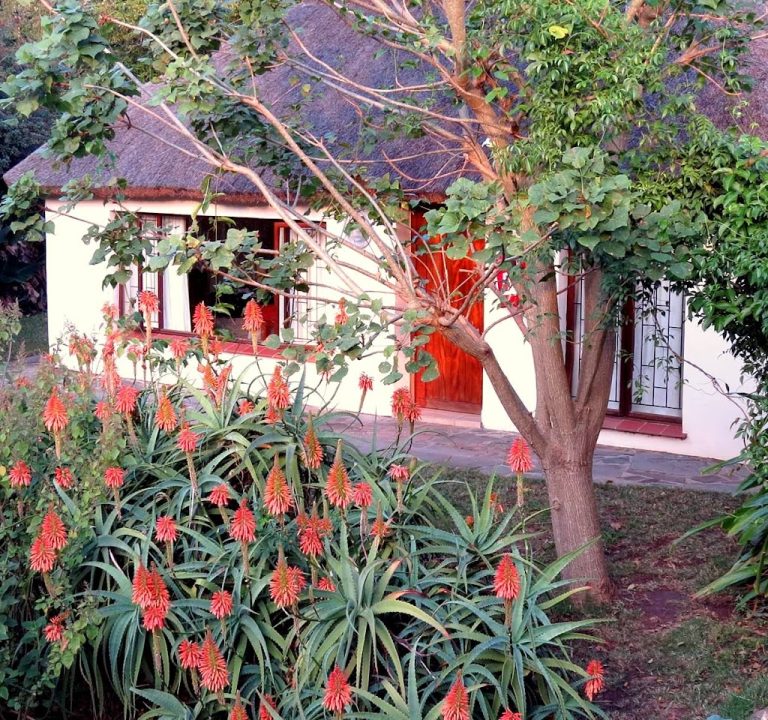
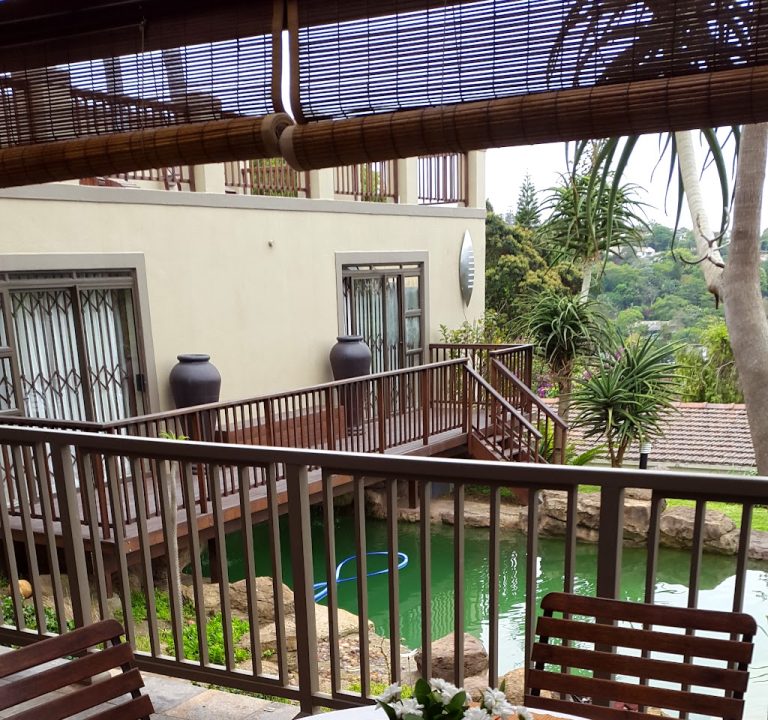
One example of a welcoming option in the city is Our Little Family B&B, a bed & breakfast that embodies the kind of friendly, home-from-home atmosphere travellers often seek. It sits among Durban’s varied accommodation offerings and can serve as a reference point when comparing style, price, and location. You can learn more about such hosts through their official website or listings with up-to-date details on rooms and breakfast options.
What to look for when you book a place to stay
When choosing accommodation in Durban, consider the following practical aspects to help you tailor your stay to your plans and budget:
- Location relative to the activities you want to do — consider proximity to the coast, transport links, and dining districts
- Room configurations and amenities — private bathrooms, air conditioning, reliable Wi‑Fi, and parking options are often essential
- Meals and service style — whether breakfast is included, and if there are on-site dining facilities or nearby options
- Access to transport — ease of arranging transfers, proximity to major roads, and whether the property offers shuttle services
- Safety and quiet hours — check reviews for neighbourhood safety and sound levels, especially if staying in busy city areas
Typical amenities you might encounter include free Wi‑Fi, continental or full breakfasts, tea and coffee facilities, sometimes a small fridge and microwave in rooms, and outdoor spaces such as verandahs or courtyards. Many Durban stays emphasise warm hospitality, with hosts happy to share local tips, restaurant suggestions, and routes to beaches or markets. If you’re visiting with family or a group, look for family rooms or suites, and confirm the availability of parking or easy on-street options.
Getting around the city
Durban’s transport options are straightforward, though planning ahead helps you maximise your days. If you’re staying near the coast, walking or short Uber or taxi rides are common for beach and restaurant outings. For broader exploration, a car offers the most flexibility, especially if you plan to visit suburbs, nature reserves, or day trips along the coast. Durban also has a rail network servicing some routes, but for regular sightseeing, door-to-door transport via rideshare or arranged transfers is often the most convenient choice. Many guesthouses and B&Bs can assist with guidance on safe travel options and reliable local operators.
Best time to visit
Durban enjoys a warm, humid subtropical climate. The city shines from late autumn through spring with generally pleasant temperatures and lower humidity, making May to September a comfortable window for city sightseeing, outdoor markets, and coastal walks. Summer months (roughly November to February) bring heat and occasional showers but also offer lush colours, lively beach life, and excellent conditions for water activities. Shoulder seasons can be particularly good for travellers seeking quieter streets, cheaper rates, and steady sunshine.
What to do and where to eat (in broad terms)
In terms of attractions, Durban’s highlights span the Golden Mile’s beaches, botanical gardens, and cultural precincts that echo the city’s diverse heritage. You’ll likely encounter opportunities for ocean walks, markets with crafts and street food, and galleries or theatres celebrating local creators. Dining choices in Durban are varied and welcoming, with a mix of 集 flavourful South African favourites and contemporary international menus. Expect a strong seafood presence along the coast and casual eateries featuring African-inspired twists, as well as cosy cafés in the city’s residential areas. When planning meals, you’ll often find that many places offer a generous breakfast or brunch as a thoughtful start to a day’s adventures.
Practical planning tips
To make the most of a Durban stay, consider the following practical pointers:
- Pack sun protection and a light layer for cooler evenings, especially if you are near the coast at sea breeze times
- Book well in advance for peak seasons and major events to secure a preferred area and price
- Read recent guest reviews to gauge consistency in service, cleanliness, and safety
- Check cancellation policies and whether breakfast or other meals are included in your rate
- Explore a mix of accommodation types across different neighbourhoods to balance convenience and immersion
Durban offers a friendly, welcoming base from which to explore the KwaZulu-Natal coast, the surrounding reefs and forests, and the city’s rich cultural tapestry. Whether you prioritise beach time, markets, or gastronomic adventures, planning a stay with attention to location, amenities, and transport will help you craft a memorable Durban break that truly reflects the city’s sunny spirit.