Cape Town accommodation and attractions: planning your stay in the Western Cape
Cape Town offers a diverse tapestry of neighbourhoods and settings, from dramatic coastal views to leafy vineyards and buzzy city streets. When planning a stay, consider the balance between scenery, access to transport, and the kind of experience you want—whether it’s easy access to beaches, historic districts, or high-altitude viewpoints. Self-catering options, boutique guesthouses, hotels with sea views, and modern apartments alike cater to different itineraries and budgets, making it possible to tailor a memorable visit without sacrificing convenience.
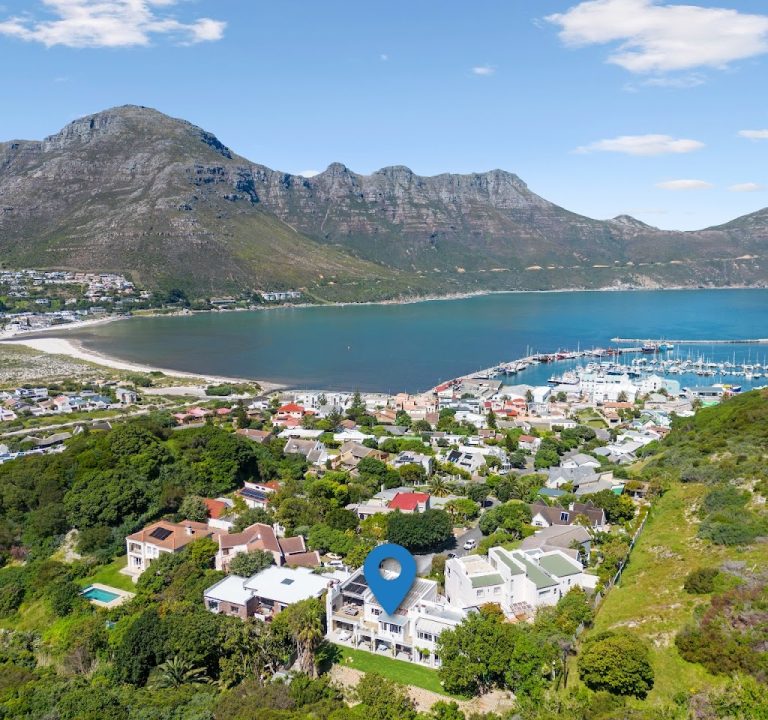
Choosing where to base yourself is often the first decision. The Atlantic Seaboard, along the coastline west of the city centre, is ideal for easy beach access, with a scattering of stylish apartments and villas offering uninterrupted sea panoramas. The City Bowl area puts you in the heart of historic streets, excellent dining, and museum culture, with a short ride to the south end of the peninsula. Constantia, with its wine routes and green countryside, makes for a peaceful retreat a short drive from central attractions. For a family-friendly or rural-feel experience, Noordhoek or Hout Bay provide scenic landscapes and more space, while Green Point and the V&A Waterfront combine convenient transport links with urban bustle and waterfront promenades.
When booking, look for a few practical amenities that can greatly ease a stay. A well-equipped kitchen or kitchenette is essential for self-catering options, while reliable Wi-Fi and clear housekeeping policies help with planning and budgeting. Proximity to public transport lines, or easy access to ride-hailing services, will save time on daily excursions. If you anticipate evenings out, a property with safe, well-lit access and convenient parking can be worthwhile. Check cancellation policies and house rules, especially for peak travel periods, and read recent guest reviews for candid remarks about noise, security, and cleanliness.
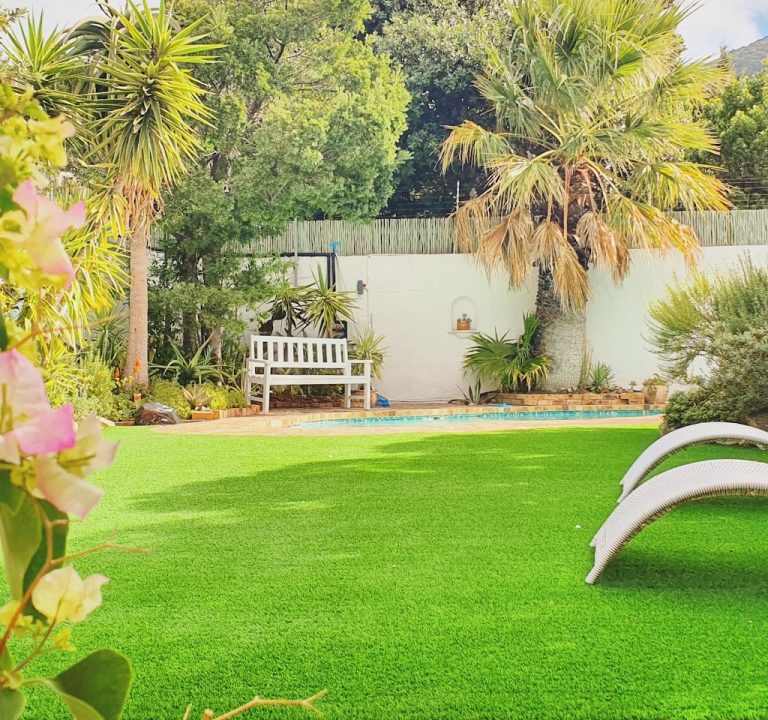
Typical amenities to expect include comfortable bedding, climate control for changing weather, and a private or semi-private outdoor space. In self-catering properties, you’ll often find a well-equipped kitchen with a coffee station, a dedicated dining area, and sometimes laundry facilities. Boutique hotels may offer daily housekeeping, on-site reception, and guided experiences, while larger hotels can provide on-site dining, concierge services, and secure parking. If a sea view is high on your wish list, verify photos and measurements to ensure the perspective matches your expectations, as “partial sea view” can vary in meaning from listing to listing.
Transport around Cape Town is generally straightforward, though the geography requires a little planning. The MyCiTi bus network is a convenient, affordable option for many routes between the city centre, the Atlantic Seaboard, and the southern suburbs. Uber and other ride-hailing services operate widely, offering a flexible solution for late evenings or trips to marginally distant spots. If you plan to explore beyond the city, consider a rental car for day trips to the Cape Winelands, the Cape Peninsula’s coastal drives, or Table Mountain, where parking at the base often requires awareness of peak-time crowds. Some areas, particularly in the city centre and the waterfront, are well served by pedestrian-friendly streets and cycle routes, while others benefit from a short taxi ride to reach restaurants and attractions.
Best time to visit Cape Town depends on the kind of experience you crave. Summer (roughly November to February) brings long days and coastal activities, but it can be busy. Spring and autumn offer pleasant temperatures for outdoor adventures and wine-tasting excursions without the peak-season crowds. Winter is cooler and wetter, yet many museums, markets, and indoor attractions remain inviting. If you’re aiming to combine natural beauty with outdoor activities, plan around calm sea conditions and favourable hiking weather. Be mindful of quick weather changes on the broader waterfront and the top of Table Mountain; always check forecasts and prepare for sun, wind, or sudden showers.
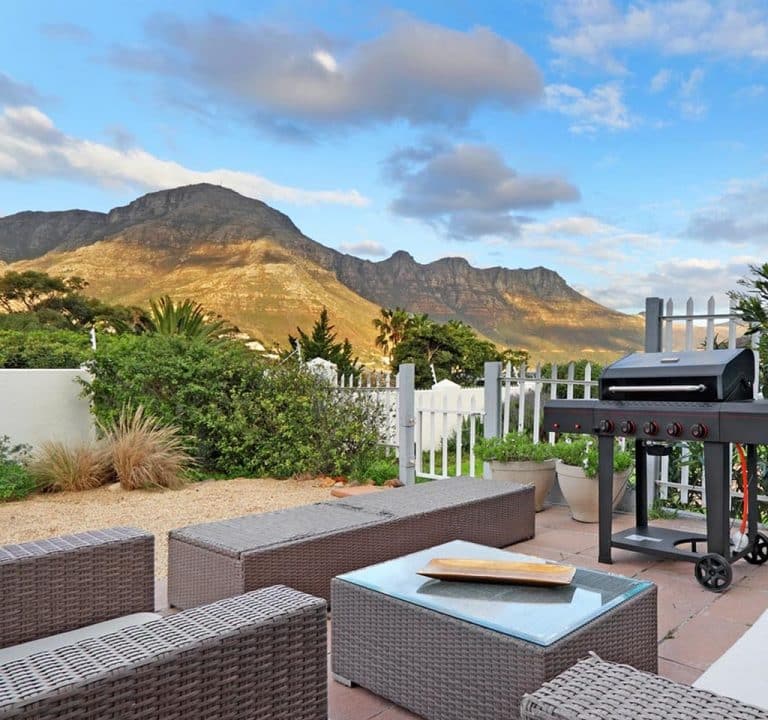
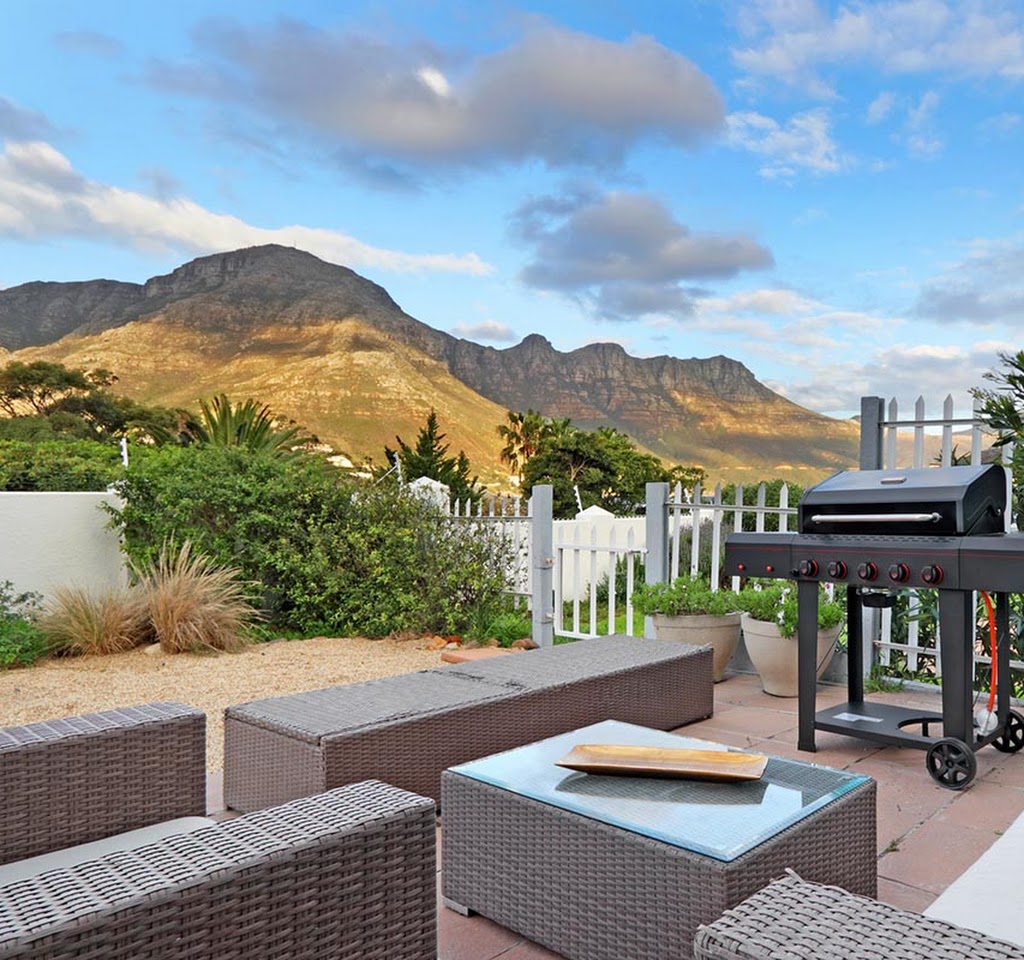
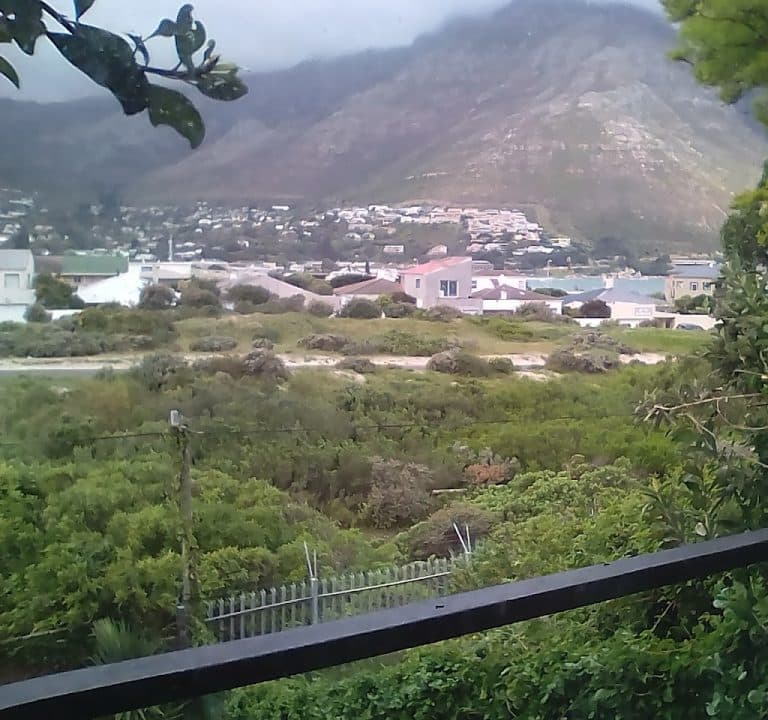
One example of accommodation that suits a practical, self-catering approach is Seaside Views, a self-catering option designed for guests who appreciate independent stays with coastal character. The property provides a home-from-home feel while staying close to beaches and major routes, with a website that offers details on layout, amenities, and accessibility. Visiting guests can tailor breakfast routines, optional supplies, and daily schedules to fit their plans, making it a flexible choice for families, couples, or groups seeking a relaxed base from which to explore the Cape.
Food, drink, and dining opportunities in Cape Town run the gamut—from casual cafés that showcase bright produce and local flavours to more refined eateries along the coast and in the city centre. General dining tips include seeking out markets and neighbourhood eateries for a sense of place, relaxing in a stylish yet comfortable setting after a day of sightseeing, and taking advantage of wine routes and farm-to-table concepts in surrounding towns. When planning restaurant visits, consider reservations for popular periods and be mindful of seasonal hours, especially during public holidays or local events.
To help you shape your itinerary, here are a few planning tips to keep handy:
- List key interests (beaches, nature, history, food, wine) and match them with suitable neighbourhoods.
- Allow built-in rest days to recover from long days of exploration and to enjoy your base’s surroundings.
- Book popular attractions or experiences in advance where possible, without locking yourself into a rigid timetable.
- Factor travel time between areas when setting daily goals; some routes can take longer than expected due to traffic or weather.
- Check the property’s policies on housekeeping, linens, and guest access to shared spaces if staying in a group.
With thoughtful planning, Cape Town offers a welcoming blend of stunning scenery, cultural richness, and comfortable places to stay. Whether you choose a seaside apartment, a cosy guesthouse in a leafy suburb, or a boutique hotel near the harbour, you’ll find that the city rewards curiosity with memorable experiences, easy access to attractions, and a strong sense of hospitality that complements the landscapes of the Western Cape.