Cape Town: accommodation guidance, attractions, and practical planning for a memorable stay
With its dramatic coastline, iconic mountains, and a cosmopolitan mix of neighbourhoods, Cape Town offers a wide range of places to rest, recharge and explore. When planning a stay, consider not only where to stay but how you intend to spend your days. A well-chosen base can streamline your itinerary, from mornings on the Atlantic Seaboard to afternoons in the winelands or exploring the vibrant streets of the City Bowl.
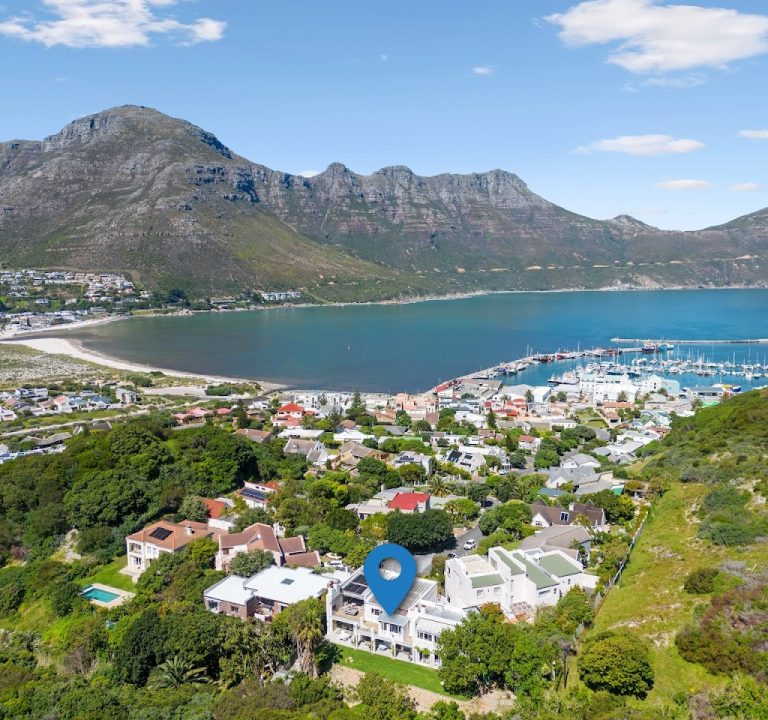
Areas to consider for your accommodation. The Atlantic Seaboard, including Camps Bay and Clifton, is prized for long beaches and sunset views, often with stylish hotels and chic guesthouses. The City Centre and the surrounding City Bowl provide easy access to museums, dining and nightlife, typically with boutique hotels and modern apartments. Constantia and the southern suburbs offer leafy tranquillity, larger homes and vineyard proximity, ideal for travellers seeking a quieter base while remaining within reach of central sights. For a more laid‑back vibe with harbour access, Hout Bay and the Atlantic coast provide seafood, markets and scenic drives. When planning a stay, map your daily routes to balance scenic drives with morning and afternoon activities to avoid peak traffic times.
What to look for when you book. The right accommodation will suit your priorities—be it a luxury hotel with spa facilities, a cosy guesthouse with personalised service, or a self‑catering apartment for longer stays. Consider:
- Location relative to your must‑see sights and preferred transport options.
- Accessibility and parking arrangements, especially if you plan to hire a car.
- Room layout, air conditioning or heating, and natural light, which are important given Cape Town’s variable climate.
- Included meals or kitchen facilities, and whether a breakfast option adds value for your plans.
- Safety, privacy, and quiet hours, particularly in busy urban areas.
Typical amenities you might encounter. In the city and coastal pockets, many establishments offer Wi‑Fi, daily housekeeping, on‑site dining or easy access to restaurant options, and secure parking. Boutique hotels often feature personalised service, curated design, and spa or pool facilities. Self‑catering apartments may include full kitchens, laundry facilities, and separate living spaces—handy for families or friends sharing. For some travellers, a property with a balcony, sea views, or a terrace makes a big difference to the experience. When budgeting, consider whether breakfast, housekeeping, or access to hotel facilities is included, as these can impact daily costs and convenience.
Transport and getting around. Cape Town’s layout rewards planful travel. If you are staying near the City Centre or along the Atlantic Seaboard, Uber, taxis and ride‑hailing apps are widely used. The MyCiTi rapid transit network offers routes across parts of the city, while rental cars enable more flexibility for scenic drives along the coast or into the winelands. Many guesthouses and hotels arrange airport transfers or local shuttle services. If you plan day trips to the Cape Peninsula, the winelands, or township tours, a car or a guided excursion can be the simplest solution. When booking, check the access to public transport and the estimated travel times to your planned activities.
Seasonality and timing. Cape Town enjoys mild winters and warm summers, but conditions can vary by month. Summer (roughly November to February) brings longer days and peak beach weather, while spring and autumn offer pleasant sightseeing with fewer crowds in some areas. Winter can be cooler and windier, particularly along the coast, but it is also a time when museums and galleries are less crowded. For visitors aiming to balance outdoor adventures with indoor experiences, shoulder seasons often provide comfortable weather, better value, and easier reservations for popular eateries and activities. Always check for local events or festivals that might affect availability or traffic, and plan accordingly.
Practical tips to enhance your stay. Do not overfill your itinerary; Cape Town’s beauty rewards slower exploration—walkable harbours, viewpoints, and markets can provide memorable experiences without long drives. Pack layers, as coastal weather can be changeable and breezy, even on sunny days. Bring comfortable footwear for hilly streets and nature walks. If you are venturing to the slopes or across the peninsula to Cape Point, allow extra travel time and consider a guided day trip to maximise the experience. Hydration and sun protection are important for outdoor days along the coast and on Table Mountain if you take the cable car or consider a guided trail. Finally, research dining options ahead of time; while there are many excellent eateries, some areas are busier at night and reservations can be advisable, especially in peak season.
Key attractions and broad experiences to look forward to. Visitors typically mix seaside strolls along the coastline with panoramic viewpoints, table‑top summits or cable car rides, and explorations of cultural neighbourhoods with museums, galleries, and markets. The city offers wine and food experiences within reachable distance—whether you choose a day trip to a nearby wine‑region or a guided culinary excursion in the city. For a well‑rounded visit, consider a light coastal walk, a museum or gallery visit, and a relaxed evening in one of the many neighbourhood dining districts. Always keep a flexible mindset to accommodate weather, which can influence outdoor plans but often reveals the city’s other charms, from markets to historic architecture.
For further planning and ideas, you can explore official tourism resources and reputable guide sites that outline suggested itineraries, area highlights, and practical travel guidance. With thoughtful selection of where you stay and how you move around, Cape Town can offer a balanced, enriching stay that blends enchanting scenery with memorable dining and experiences.