Cape Town: Accommodation, Attractions and Practical Planning for Visitors
Cape Town is a diverse and striking destination where dramatic natural scenery meets cosmopolitan culture. When planning a stay, consider the distinct neighbourhoods and what they offer to your itinerary, budget and pace. From the harbour-front energy of the V&A Waterfront to the leafy calm of Constantia, and the cliff-edge vistas of the Atlantic Seaboard, there are plenty of accommodation options to suit different styles and needs.
Areas to consider for a stay include the City Bowl for walkable access to historic architecture, buzzy cafés and galleries; the Atlantic Seaboard, including Camps Bay and Clifton, for sandy beaches and dramatic ocean views; Green Point and the Foreshore for easy access to ferries, trails and a lively dining scene; and Constantia Valley for wine routes and tranquil self-catering options surrounded by greenery. If you’re after a family-friendly base with quick access to the airport and longer day trips, the southern suburbs and southern peninsula towns offer a mix of guesthouses, villas and boutique hotels with comfortable kitchens and parking.
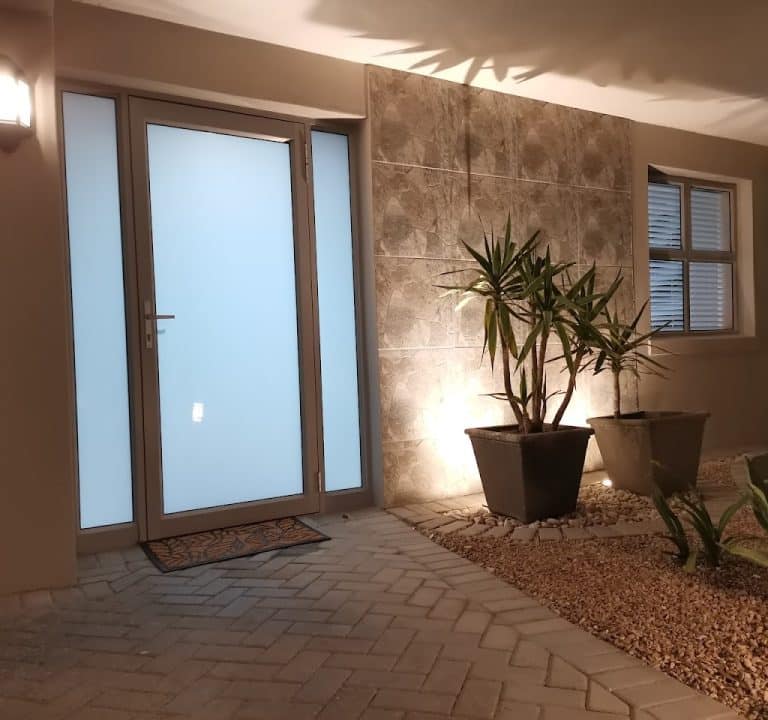
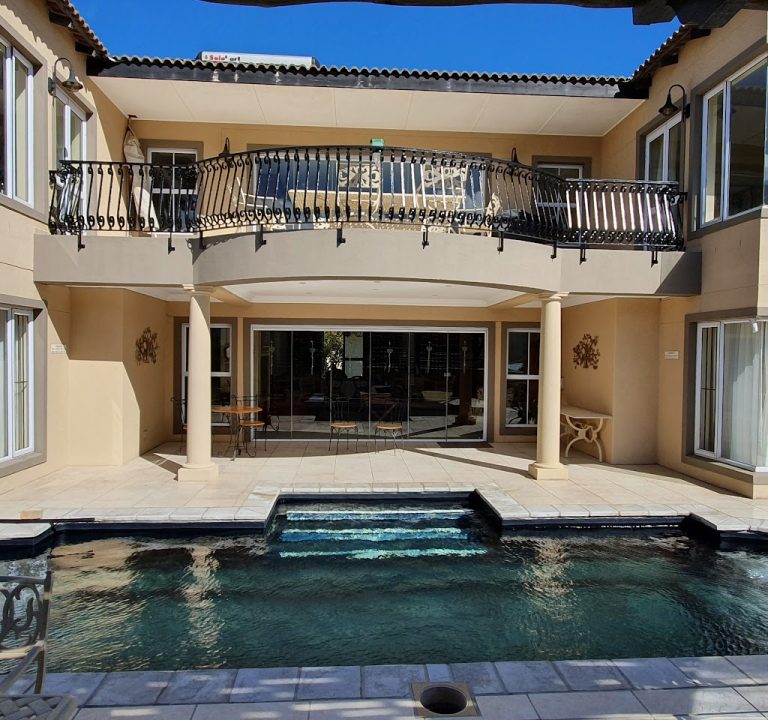
When choosing accommodation, look for clear photos that match the description, a detailed list of facilities (parking, self-catering options, laundry, and wifi), and transparent terms about deposits and cancellation policies. If you value a local, lived-in feel, a guesthouse or villa with a small, friendly team can offer recommendations for experiences that aren’t on the usual tourist radar. For a example of the kind of stay available, venues such as a villa-style option like Villa De La Mer illustrate how a private villa can combine space, privacy and convenient access to beaches and hikes. Always check recent guest reviews to gauge consistency and service standards.
Typical amenities to look for include: ensuite bathrooms, a well-equipped kitchen or kitchenette, reliable air conditioning or heating, secure parking, and efficient Wi‑Fi. A private balcony or verandah, a pool, and outdoor spaces can significantly elevate a stay in warmer months. If you plan longer stays, a location with laundry facilities and a practical kitchen makes daily life easier. For travellers who value sustainability, seek properties that implement water-saving measures, recycling, and energy-efficient lighting.
Transport is a key part of planning in Cape Town. The city is compact enough for comfortable day trips, but distances can be deceptive given traffic. Consider accommodation with easy access to major routes and public transport options. The MyCiTi bus network is a reliable public option for moving between key areas such as the city centre, the harbour, the V&A precinct and the southern suburbs. Car hire offers maximum flexibility if you plan coastal drives along the Atlantic Seaboard or a full-day trip to Cape Point. For shorter hops, rideshare services are widely used and can simplify evening plans for dining out or nightlife.
Best time to visit Cape Town varies with interests. The summer months (December to February) bring lively beaches, longer daylight hours and outdoor events, but can be busier and pricier. Spring (September to November) and autumn (March to May) offer milder weather, superb photo conditions for the mountains and fewer crowds. Winter (June to August) is cooler and rainier, yet still attractive for whale watching along the coast and enjoying hearty meals in stylish eateries. If you’re planning a vineyard day trip, spring or autumn typically provides pleasant conditions for exploring Constantia, Stellenbosch or surrounding boutique estates by car or guided tour.
Practical tips for a smooth stay:
- Bring comfortable walking shoes for hilly streets, stairs and scenic viewpoints, especially if you’re exploring the city centre and coastline paths.
- Pack layers. Cape Town’s weather can be changeable, with cool mornings and evenings even in summer.
- Book popular attractions and dining slots in advance during peak seasons to avoid disappointment, while leaving some flexible days for spontaneous discoveries.
- Respect safety guidance in public spaces, especially after dark and in unfamiliar areas. Use reputable transport options and secure accommodation with good reviews.
- Learn a few basic phrases for friendly interactions; South Africa is multilingual and people appreciate courtesy and enthusiasm for local culture.
- Tap water in the city is generally safe to drink, but you may prefer bottled water in some areas during dry spells; ask hosts for guidance.
Attractions and experiences in Cape Town span natural wonders, cultural sites and culinary highlights. Iconic landmarks offer panoramic views from Table Mountain or Lion’s Head, and coastal routes reveal rugged beauty along the Atlantic coast. The harbour area provides maritime history, markets, and a gateway for boat trips to nearby spots. Museums and galleries showcase South Africa’s diverse heritage, while markets and eateries emphasise fresh, seasonal produce and regional flavours. Dining ranges from casual cafés to sophisticated seafood spots and garden-to-plate establishments in green suburbs and dedicated wine-and-dine precincts on the outskirts of the city.
When it comes to planning a balanced itinerary, mix scenic day trips with relaxed evenings in your chosen base. A typical stay might include a morning walk or cable-car ride to a high viewpoint, a midday beach visit or harbour stroll, and an afternoon of wining, dining and exploring shops or galleries. If you wish to sample a broad slice of the region, plan at least one winery day, a coastal drive along the Atlantic Seaboard, and a cultural or historical excursion in the city centre.
For further inspiration and practical planning, consider local tourism websites and reputable guide resources. These can offer current tips on seasonal events, transport updates, and dining recommendations, helping you tailor your stay to your interests while keeping logistics straightforward. Cape Town rewards thoughtful planning with memorable scenery, delicious food and a welcoming, vibrant atmosphere.