Cape Town: Accommodation, attractions and planning your stay
Cape Town is a city of contrasts, where mountain views meet stunning beaches, historic neighbourhoods sit alongside modern precincts, and a culinary scene that blends tradition with innovation. When planning a stay, it helps to choose a base that aligns with your priorities—whether that’s easy access to the city’s iconic sights, a beachfront outlook, or a quieter neighbourhood with a village-like feel. Cape Town accommodates a wide range of self-catering apartments, guesthouses, boutique hotels and lodges, each with its own character and conveniences.
Areas to consider
Central and V&A Waterfront: Ideal for travellers who want spectacular harbour views and instant access to attractions, museum spaces, and a thriving dining scene. These areas are well served by public transport and ride-hailing services, making day trips straightforward.
City Bowl (Tamboerskloof, Gardens, and the central city): A convenient option for walkers and explorers who enjoy leafy streets, coffee shops, and proximity to the Company’s Garden, statistical museums, and art venues. Properties here often combine stylish design with compact layouts suitable for couples and solo travellers.
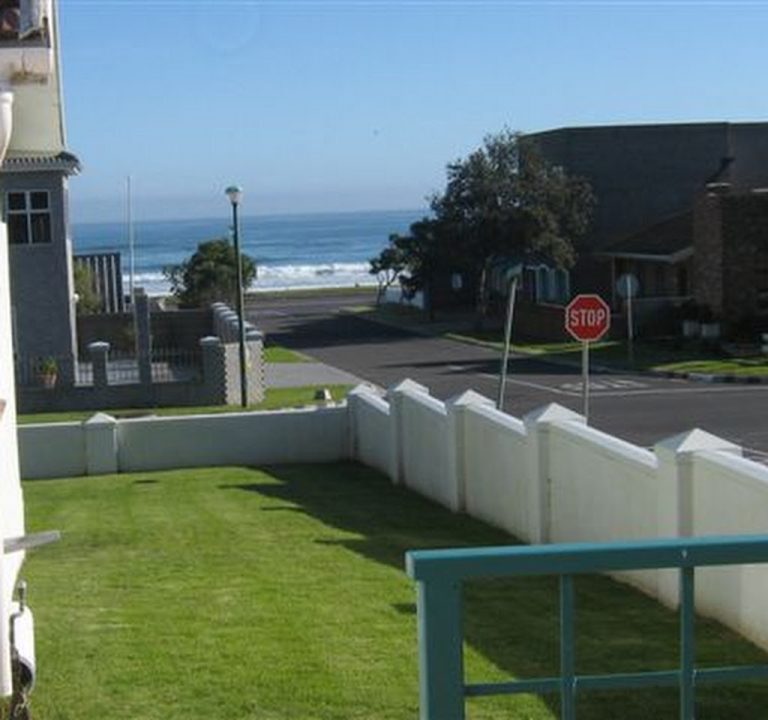
Atlantic Seaboard (Sea Point, Green Point, Camps Bay, Clifton): For beach lovers and sunset watchers, this corridor offers sea views, coastal walks, and a mix of high-end apartments and guesthouses. Expect evening breezes, easy access to promenades, and a lively, cosmopolitan dining scene.
Constantia Valley and Southern Suburbs: If you’re seeking rural serenity, wine estates and gardens, these areas provide a calmer pace with options for self-catering stays, guesthouses and family-friendly lodges. It’s ideal for day trips to the Cape Winelands and leafy hiking trails.
From a practical standpoint, consider transport links. Cape Town’s MyCiTi bus network, metro rail, and ride-hailing services can help you reach Table Mountain, the Constantia Valley, and the Cape Peninsula without excessive planning. If you’re staying near the coast, you’ll often find shorter walks to beaches, promenades and popular viewpoints, which can save on transport costs and add spontaneity to your days.
What to look for when booking
Self-catering value: For those who prefer to prepare meals, look for a kitchen with cookware, utensils and a fridge/freezer, plus a comfortable living area. A good laundry setup is a bonus, particularly for longer stays. If you’re visiting in peak season, book well in advance as popular self-catering options can fill quickly.
Amenities that matter: Reliable Wi‑Fi, secure parking or easy access to public transport, good heating or air conditioning, and practical storage are practical priorities. Laundry facilities, a communal space, and clear house rules help guests settle in smoothly. If you’re travelling as a family or group, ask about additional bedding, partitioned rooms, or flexible layouts.
Safety and access: Check for well-lit entrances, secure access to the building, and whether the accommodation offers 24‑hour service or on-site staff. Proximity to well-lit walkways and signage can improve evening safety when you’re exploring after dark.
Authentic local flavour: Cape Town’s accommodation often reflects its neighbourhood character, from modern apartments with contemporary styling to cosy guesthouses that celebrate South African design. A stay that feels rooted in its setting can enhance your visit as much as the sights themselves.
Typical amenities you may encounter
- Fully equipped kitchens or kitchenettes, with dining spaces
- Wi‑Fi and daily housekeeping or towel and linen changes on request
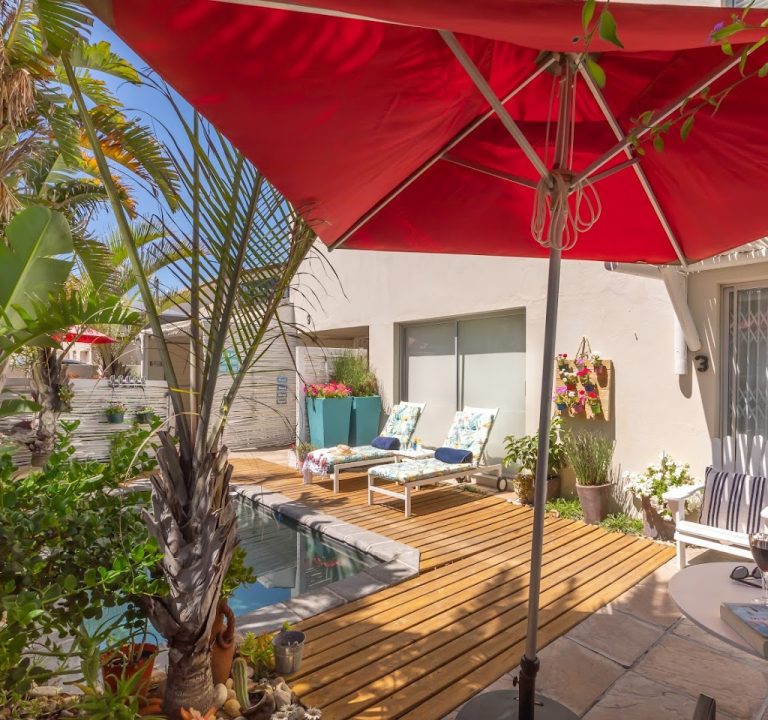
- Private or shared outdoor spaces, such as balconies or courtyards
- On-site parking or easy access to public transport
- Air conditioning or heating, depending on the season
- Safe, well-lit entrances and friendly, local hosts or staff
Best time to visit
Cape Town has a Mediterranean climate with dry summers and wet winters. The period from late spring to early autumn (roughly September to April) typically offers longer days, milder evenings, and pleasant beach weather, though it can be busier. Winter (May to August) brings cooler, wetter conditions but often lower rates and fewer crowds. For secoled outdoor adventures, plan around Table Mountain’s weather windows, as conditions can be changeable and mountain visibility can vary by day.
Practical tips for planning your stay
- Book a flexible accommodation with a reasonable cancellation policy, especially if your plans are not fixed.
- Consider a multi-area itinerary to balance city sights, beaches and the winelands within day trips.
- Pack layers and a light rain jacket; coastal evenings can be breezy even in warmer months.
- Reserve dining and popular activities in advance during peak seasons, but leave room for spontaneous coastal walks or beach days.
- Check distance and travel times between your base and key sights to avoid long commutes during busy periods.
Attractions and dining in general terms
Cape Town offers a vast array of experiences, from panoramic coastal drives and nature reserves to world-class museums and markets where local crafts and foods are on display. In terms of places to eat, the city presents a mix of casual eateries, modern brasseries and fine dining venues, reflecting its diverse cultural tapestry. Rather than relying on fixed listings, look for neighbourhood favourites and contemporary bistros that source ingredients locally and showcase South African flavours with a modern twist. When planning a day out, you’ll likely be able to combine a scenic drive, harbour or waterfront stroll, and a relaxed meal with a backdrop of mountains or sea.
For travellers staying in self-catering or guesthouse-style accommodation, Sandpiper Place – Holiday and Short Term Accommodation serves as an example of how a well-designed, self-contained option can complement a Cape Town itinerary—providing a comfortable home base from which to explore the city’s varied experiences. For more inspiration and practical tips, consult official tourism sites and visitor information portals that offer current advisories, routes, and seasonal highlights.