Staying in Cape Town: a guide to accommodation, areas, and must-see experiences
Cape Town offers a diverse mix of places to stay, from elegant sea-facing suites to cosy self‑catering apartments perched near the mountains. When planning a visit, the key is to match your accommodation to your plans: whether you want easy access to the city’s cultural sights, a beachside morning, or doorstep proximity to vines and countryside. The city’s climate invites year‑round visits, with mild springs and autumns that sit comfortably between peak heat in summer and the quieter winter season.
Accommodation in Cape Town tends to cluster in a few distinct areas, each with its own character and advantages. The central city and the V&A Waterfront offer convenience for guests who prioritise shopping, restaurants, and nightlife, with easy access to iconic landmarks. The Atlantic Seaboard, including Camps Bay and Clifton, is famous for its beaches and dramatic ocean views, ideal for restful stays and scenic drives along the coast. Constantia and the surrounding valley provide a leafy, wine-country atmosphere with green hills, boutique guesthouses and self‑catering options that feel a world away from the bustle. For a more historic vibe, you’ll find charming guesthouses and boutique hotels in areas such as Bo-Kaap and other inner-city districts, often within walking distance of museums and markets.
When choosing where to stay, consider the following:
- Access to transport: If you plan to explore beyond the inner city, look for locations with convenient access to MyCiTi bus routes, Uber/ride-hailing services, or parking if you’ll be driving a rental.
- Type of accommodation: Options range from self‑catering apartments and holiday homes to boutique guesthouses and serviced apartments. Self‑catering can offer flexibility for families or longer stays, while guesthouses provide a more intimate, locally hosted experience.
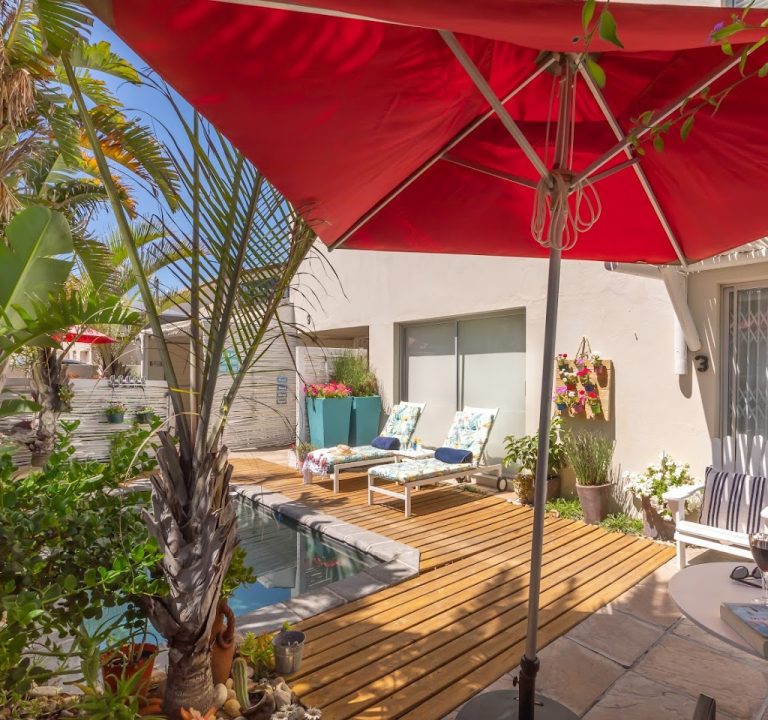
- Amenities: Common essentials include reliable Wi‑Fi, kitchen facilities, air conditioning or heating, secure parking, and self‑service laundry. Pools, terraces, and fireplace spaces can enhance comfort in coastal or hillier districts.
- Size and layout: For groups or families, look for multiple bedrooms, separate living spaces, and good privacy between rooms.
- Neighbourhood feel: Decide whether you want a vibrant, buzzy neighbourhood with cafes and markets, or a quieter, residential setting close to nature and beaches.
Typical amenities you might expect in Cape Town accommodation include well-equipped kitchens, fresh linen and towels, daily or weekly housekeeping options, and secure entry systems. Many self‑catering properties offer flexible check‑in arrangements and local information folders with tips on walking routes, markets, and family-friendly activities. If you choose a boutique guesthouse or hotel, you can often enjoy on-site dining, concierge services, and recommendations for day trips and experiences that reflect Cape Town’s scenery and culture.
Practical planning tips can help you get the most from your stay. First, consider the best time to visit. Spring (September to November) and autumn (March to May) bring pleasant temperatures for outdoor exploration, fewer crowds, and the opportunity to combine the city with nearby winelands. Winter (June to August) is cooler and wetter, but often quieter and more affordable, with the possibility of dramatic skies over the Atlantic. Summer is peak season, with longer days and bustling coastal towns, so advance bookings are wise for popular properties and restaurants.
Transport around Cape Town is straightforward for most visitors, though some areas are better serviced than others. If you don’t plan to rent a car, look for properties near major bus routes or within easy reach of taxis and rideshares. The city’s scenic routes—such as the Atlantic Seaboard along the coast—reward drivers and riders with panoramic views, so having a plan for day trips is helpful. If you’re staying in a self‑catering property, stocking up on fresh produce from local markets or supermarkets before a day of outings can save time and help you settle in quickly.
When it comes to attractions, most visitors gravitate toward the city’s natural wonders and cultural heritage. Expect to encounter dramatic coastline, Table Mountain views, and Mediterranean-style gardens in some suburbs, alongside museums, markets, and historic streets that reveal Cape Town’s layered history. Iconic viewpoints and coastal walks are popular ways to enjoy the scenery, while guided experiences—such as botanically rich trips, coastline boat tours, or cellar door tastings in nearby wine regions—provide a well‑rounded picture of the area.
Food lovers will find a diverse restaurant landscape that spans casual bistros, seafood spots, and fine dining. You’ll also discover vibrant markets and cafés offering authentic South African flavours as part of a day of exploration. When budgeting for meals, balance splurges with informal meals at local favourites that align with your itinerary, whether you’re staying near the city centre or along the coast.
For a well-planned stay, consider a few practical steps: map out your must-see sights, select a few baseline neighbourhoods to anchor your accommodation, and leave some time for spontaneous discoveries. If you’re booking a self‑catering option, label essential kitchen equipment and consider a starter supply list to ease the first day’s setup. And if you’re hoping to combine a beach break with city sightseeing, pick a property that offers both sea views and easy access to a short drive or transit into the city core. With thoughtful planning, a stay in Cape Town can be your gateway to unforgettable scenery, culture, and cuisine, anchored by comfortable, well-located accommodation such as On The Beach in its self‑catering category.