Staying in Cape Town and the Western Cape: accommodation, planning and experiences
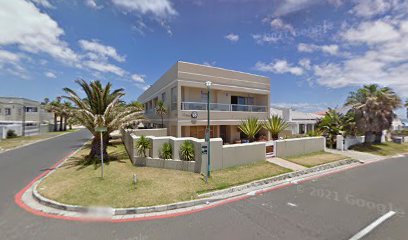
Capitalside charm meets rugged coastline in Cape Town and its surrounding Western Cape, a region famed for its diverse landscapes, world‑class restaurants, and a welcoming mix of boutique stays and renowned hotels. Whether you crave a cosy bed & breakfast on a sleepy windswept coast, a stylish apartment with urban convenience, or a rustic lodge near wine country, there is something to suit every traveller’s style and budget. For visitors considering Melkbos on D’Beach, a coastal stay here can offer sea views, inland escapes, and easy access to the Atlantic Seaboard just a short drive from the city core.
When planning a stay, start by choosing a base that aligns with your priorities. The city bowl and central surrounds are ideal for first‑time visitors who want museums, markets, and a vibrant restaurant scene within easy reach. The Atlantic Seaboard and Camps Bay offer海 spectacular sea views and fashionable dining, while the Constantia Valley and Stellenbosch deliver tranquil wine country experiences within a scenic drive of the city. If you prefer a slower pace and being close to the ocean, coastal towns such as Hout Bay, Kalk Bay, and Melkbos on D’Beach provide relaxed guesthouses and inns with a distinctly maritime flavour.
What to look for when booking a property matters as much as the décor. Practical considerations include.
- Proximity to the places you want to explore, and whether you plan to rely on a car, public transport, or guided tours.
- Access to parking, particularly in busy districts where on‑street spaces can be limited.
- Sound insulation and air conditioning, especially for hot summer evenings or if you are sensitive to noise.
- Kitchen facilities or breakfast service if you prefer self‑catering or a light morning meal.
- Flexible check‑in arrangements and clear cancellation policies, which are especially important during peak seasons or uncertain weather.
Typical amenities you might expect include free Wi‑Fi, secure parking, comfortable beds with quality linens, and en‑suite bathrooms. A generous breakfast can range from a continental spread to a cooked option showcasing local produce. Some properties offer additional touches such as shuttle services, on‑site cafés, or guided walk or wine‑tasting experiences. For guests seeking a more intimate stay, many bed & breakfasts in and around Cape Town emphasise personal service, helping you map out daily itineraries and recommend off‑the‑beaten‑path eateries and markets.
Transport in the region is straightforward but varies with the location. In the city centre and coastal districts, ride‑hailing apps and taxi services provide convenient door‑to‑door options, while car hire remains popular for exploring winelands, the Cape Point nature reserve, and the Garden Route corridor. If you base yourself in a smaller coastal town such as Melkbos on D’Beach, a car is practically essential for day trips to Cape Town’s landmarks, nature reserves, and regional experiences. When planning longer drives, factor in popular routes such as Chapman’s Peak Drive or the scenic coastal roads, which can be slower but exceptionally rewarding with photo opportunities and viewpoints along the way.
Best time to visit Cape Town and the Western Cape depends on what you’re after. The months from late spring to early autumn (roughly September to April) offer warmer weather, better beach conditions, and lively outdoor markets. Winter brings cooler, wetter days that are ideal for enjoying cosy guesthouses, fireside chats, and red wine tastings in the winelands. It is worth noting that Cape Town enjoys long daylight hours in summer, which allows for extended activity into the evening, while winter visits can still be wonderfully vibrant thanks to a thriving dining scene and fewer crowds at popular attractions.
Activities and experiences span nature, culture, and cuisine. In the city, you can expect scenic viewpoints, historic landmarks, harbour strolls, and buzzing neighbourhoods with cafés and galleries. On the coast, beaches offer surfing, walking trails, and wildlife watching, while inland you’ll find world‑class wine estates, olive groves, and hiking routes through mountain ranges and nature reserves. Dining in Cape Town is renowned for its variety, from informal eateries showcasing freshly caught seafood to refined establishments that highlight local ingredients. There are plenty of opportunities to enjoy seasonal menus, tasting menus, and casual bistros that capture the flavour of the region without needing to travel far from your accommodation.
Practical tips to help you get the most from your stay:
- Plan a mix of city days, coastal escapes, and a day or two in the winelands to balance cultural sights with relaxation.
- Book in advance for peak season, but be flexible to seize last‑minute deals on off‑peak dates.
- Pack layers for changing weather, especially if you venture to the coastline or higher elevations.
- Bring comfortable walking shoes for uneven pavements and hilly streets common in historic districts.
- Check access to on‑site or nearby parking and ask hosts for transit tips or nearby taxi or shuttle options.
To start planning your Cape Town stay, consult reliable travel resources and read guest reviews to understand the true character of a property. A thoughtful approach to choosing a base—whether in the city’s heart, along the Atlantic coast, or in a tranquil rural setting—will help you tailor your itinerary to suit your pace and interests. For further inspiration on places to visit and ways to structure your days, you might explore official tourism resources and visitor guides that cover attractions, dining, and practical travel tips across the Western Cape.