Staying in Cape Town: Accommodation, planning tips and top experiences
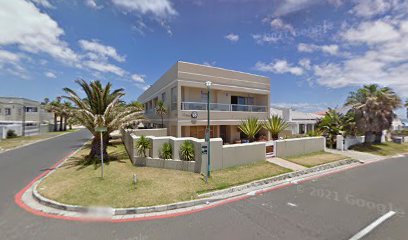
Cape Town in the Western Cape offers a remarkable blend of coastal scenery, modern amenities and easy access to natural and cultural attractions. Whether you prefer stylish city-centre apartments, sun-soaked beachside stays, or tranquil guesthouses in leafy suburbs, there are accommodation options to suit most tastes and budgets. If you are researching options, you might come across properties such as Melkbos Studio—an example of a compact, self-contained option that can suit travellers looking for a quieter base slightly further from the centre. From a practical perspective, the best choice depends on how you plan to spend your days and how much travelling you’re comfortable with each day.
Areas to consider when booking include the City Bowl and the central waterfront for easy access to restaurants, museums and nightlife; the Atlantic Seaboard, including Camps Bay and Bantry Bay, for coastal views and stylish guesthouses; and the constantia valley or southern suburbs for a more tranquil stay with easy access to vineyards and green spaces. If you want to be close to popular beaches and the bustling food scene, aim for properties on or near the Atlantic Seaboard or in the V&A Waterfront precinct. If you prefer a more relaxed, green setting with hillside privacy, look towards the Constantia or Southern Suburbs. For a budget-friendly option with a local flavour, smaller guesthouses and B&Bs in neighbourhoods a short Uber ride from the centre can be an excellent choice.
When you book, consider what is most important to you. A room with a view, a kitchen or kitchenette, private parking, breakfast included, or easy access to public transport can all influence value. Check the property’s exact location on the map to assess walking distances to beaches, cafés and tram or bus stops. If you plan to drive, ensure the listing specifies on-site parking or secure street parking. For those relying on public transport, confirm proximity to MyCiTi routes, train stations or reliable licensed taxi services. Some properties offer shuttle arrangements or ride-hailing partnerships which can simplify daily excursions.
Typical amenities you might expect include a comfortable bed with quality linen, reliable heating or air conditioning, free Wi-Fi, towels and toiletries, and a well-equipped kitchen or tea-and-coffee facilities. A good sign is a well-equipped kitchen or kitchenette if you intend to self-cater, and a property that explains how to use any shared facilities if you stay in an apartment block or guesthouse. House rules, cleaning frequency, and access to laundry facilities are worth noting, especially for longer stays. A thoughtful touch can be a small welcome guide with tips on local supermarkets, pharmacy hours, and recommended routes for scenic drives or morning runs along the coast.
Transport around Cape Town is straightforward but can vary by area. In the city centre and the Atlantic Seaboard, Uber and licensed ride-hailing services are widely available, useful for evenings out when parking is tight. For travellers who intend more exploration, renting a car provides flexibility to visit Cape Point, Cape Point Reserve, and the surrounding wine hills, or to detour to the nearby Atlantic coast towns. Do bear in mind that peak traffic times can be busy, and some coastal routes have seasonal closures for weather or maintenance. If you prefer not to drive, consider staying close to a reliable public transport hub and plan day trips around available services.
The best time to visit Cape Town depends on what you enjoy. Spring (September to November) brings wildflowers and mild weather, while autumn (March to May) offers comfortable temperatures and fewer crowds. Summer (December to February) is usually sunny and lively, ideal for beaches and outdoor dining, though it can be busy. Winter (June to August) is cooler and wetter, with fewer crowds and lower rates in many areas. Regardless of season, mornings often offer clearer views of the surrounding peaks and Table Mountain, with afternoons ideal for beach time or harbour walks. If you are visiting for outdoor activities, plan for cooler mornings, a warm midday, and the possibility of late afternoon showers, especially in transitional months.
When planning itineraries, balance the iconic sights with more relaxed experiences. Iconic activities include a morning hike up Table Mountain or a cable-car ascent if available, a visit to the coastal reserves or beaches, and a day trip to the Cape Peninsula with a scenic drive along the coast to Cape Point. Cultural experiences vary from museum visits and galleries to markets and neighbourhood eateries offering Cape Malay curries, seafood, and modern fusion dishes. In terms of dining, you’ll find a wide range of options from casual cafés to fine dining, with menus often featuring fresh seafood, indigenous flavours, and inventive takes on local produce. For most visitors, a couple of restaurant meals per week, combined with light, fuel-efficient breakfasts at the accommodation or local cafés, helps keep you comfortable for long days of exploring.
Practical tips for a smooth stay:
- Book early in peak season and consider shoulder seasons for better rates and quieter streets.
- Read guest reviews carefully for notes on noise levels, cleanliness, and how responsive hosts are to requests.
- Check for reliability of wifi if you need to work remotely or stream content.
- Pack a light rain jacket and layers for variable coastal weather; sunscreen and a hat are wise for sunny days.
- Respect local safety guidelines and be mindful of personal belongings in busy areas.
For planning inspiration and practical information, you may wish to consult the official Cape Town tourism site or reputable travel guides. A well-chosen base, combined with a flexible itinerary, can make a stay in Cape Town both memorable and manageable. Whether you are drawn to contemporary urban living, striking coastal scenery, or wine-country serenity, there is a stay option to match your preferred pace and style.