Cape Town: A Guide to Accommodation, Attractions and Practical Planning
Cape Town blends dramatic scenery with a cosmopolitan vibe, making it one of the world’s most distinctive destinations. When planning a stay, choosing the right neighbourhood can shape your days, from sunrise vistas over the Atlantic to sunset balconies with Table Mountain as a backdrop. Whether you prefer boutique guesthouses, family-run lodges or comfortable indoor stays in the city centre, there is a range of options to suit every traveller.
Key areas to consider include the City Bowl for central access to museums and dining, the Atlantic Seaboard for coastal views and beaches, and leafy Constantia for wine-country serenity just outside the city. If you’re after a buzzy atmosphere and easy access to nightlife and markets, Green Point and De Waterkant offer a pedestrian-friendly base. For a more relaxed, scenic setting, Camps Bay or Llandudno on the Atlantic coast provide long sandy beaches and high-end eateries, while the Constantia Valley offers sprawling wine estates and nature trails a short drive from central Cape Town.
When assessing accommodation, look for a few practical features that will smooth your stay. A comfortable bed with good bedding, reliable heating or air conditioning, and sufficient privacy are essential for a restful break. Check the accessibility of common areas, especially if you plan longer stays or travel with family. If you rely on mornings for work or planning, a quiet room with good natural light can make a big difference. For stays that feel like a home from home, consider properties that include self-catering facilities, strong wi‑fi, and friendly staff who can offer local tips and directions.
Transport is a practical consideration in Cape Town. The city is well served by a rapid transit network and bus services, but for flexible sightseeing many visitors opt for car hire or organised tours. If you prefer public transport, areas close to MyCiTi bus stops can be particularly convenient for accessing the city centre, V&A Waterfront, and Table Mountain funicular. For convenience during peak tourist periods, a centrally located base can save time in traffic and make day trips to neighbouring areas, such as the Cape Peninsula or nearby wine routes, easier to manage.
Best time to visit Cape Town depends on your priorities. The late spring and summer months (roughly September to April) tend to offer warmer weather, longer days and excellent beach conditions. This period is popular for outdoor activities, summer markets, and harbour-side dining. Winter visits (June to August) bring cooler weather and occasional rain, but can be rewarding for quieter streets, fewer crowds and dramatic landscapes on stormy days. If you are drawn to wildlife, marine outings or whale watching, plan your trip around seasonal patterns and marine life reports while keeping buffers for possible weather disruption.
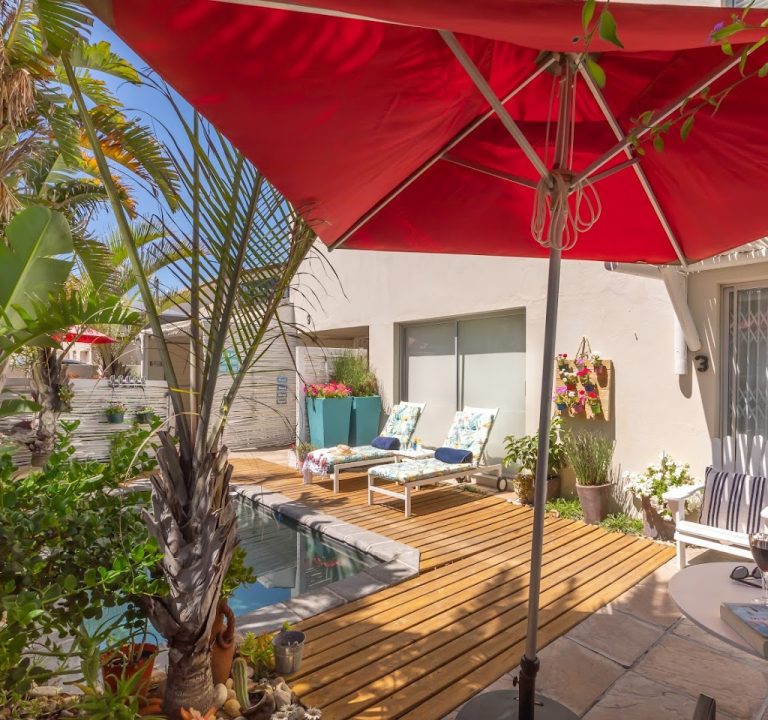
Accommodation can be arranged as stays with decor and character that reflect the region’s heritage and scenery. For a peaceful retreat close to nature, consider lodges and guesthouses that frame their spaces with garden terraces, mountain views, or sea-facing rooms. A stay at a guest lodge such as Eden of Africa, for example, may emphasise a warm, intimate ambience and easy access to local routes, with a focus on comfortable indoor spaces and well-considered common areas. You can learn more about such properties at their official website: Eden of Africa Guest Lodge.
Food and dining in Cape Town offer a spectrum from farm-to-table experiences and chic brasseries to casual eateries with harbour views. In general terms, you can expect fresh seafood, locally grown produce, and a mix of international and African-inspired flavours. When planning meals, it’s worth reserving a table at well-regarded venues in advance, especially during peak seasons. A stroll along the V&A Waterfront or a neighbourhood precinct such as De Waterkant can reveal a range of options with different atmospheres, from relaxed cafes to more refined restaurants. For those venturing further afield, Stellenbosch and Constantia offer wine-focused dining experiences set against scenic backdrops of vineyards and mountains.
Typical amenities to look for in a well-rounded stay include secure parking or easy street parking access, breakfast options or kitchen facilities, on-site or nearby laundry services, and air conditioning or heating to suit the season. Some properties may offer short on-site activities, small lounges, or outdoor terraces that maximise the outdoor lifestyle Cape Town affords. Staff that can offer local recommendations—such as day trips to the Cape Peninsula, cable car experiences, or guided walks—can enhance your visit even before you step outside your door.
Practical tips to help plan your itinerary:
- Book a base with good access to public transport or parking if you plan day trips around the Cape Peninsula or nearby wine regions.
- Set a flexible day-by-day plan to accommodate weather, especially if you want to experience outdoor activities like coastal walks or Table Mountain viewpoints.
- Pack layers for variable weather and sun protection for outdoor days.
- Check cancellation policies and inclusions (breakfast, housekeeping, or shuttle services) to avoid surprises.
- Engage with hosts or staff for personalised recommendations on dining and hidden gems off the typical tourist routes.
In short, Cape Town rewards travellers who blend comfort with curiosity. Whether you stay in a cosy guesthouse near the city’s cultural heart, a stylish lodge with ocean views, or a wine-country retreat a short drive away, there is a balance to strike between ease of access, personal space, and the opportunity to savour the city’s diverse attractions and dining scenes. With thoughtful planning and an eye for local flavour, your Cape Town stay can be as vibrant and memorable as the landscape itself.