Accommodation, Attractions and Dining in Cape Town, Western Cape
Cape Town blends dramatic scenery with a welcoming hospitality scene, making it ideal for a stay that combines comfort, culture and easy access to the surrounding countryside. When planning your visit, think about what kind of experience you want from your base: a stylish city centre apartment, a relaxed coastal guesthouse, or a countryside retreat in nearby wine country. Each area has its own rhythm and advantages, from easy access to mountain trails to doorstep seaside strolls and harbour-side dining.
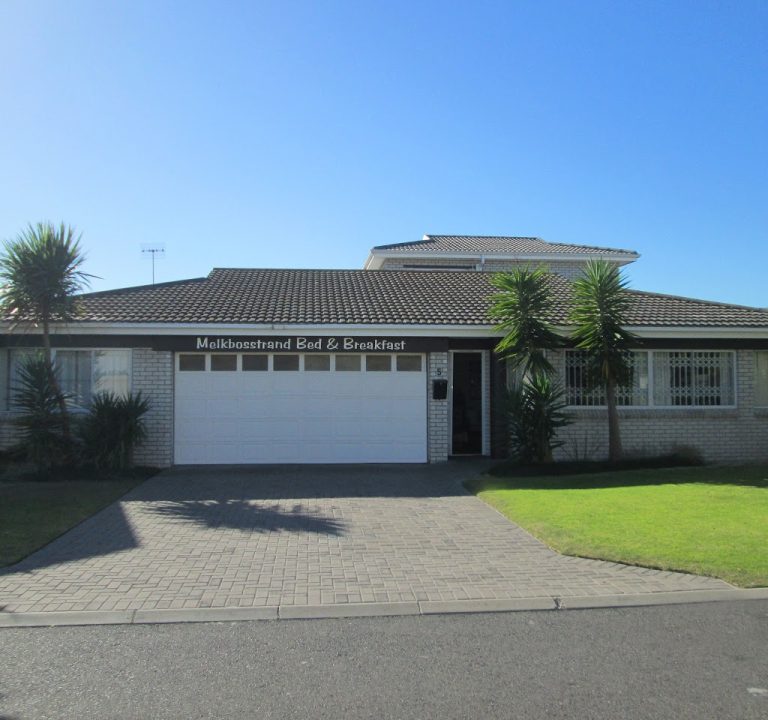
Area planning is the first step. The City Bowl and the V&A Waterfront offer convenient access to museums, galleries, and restaurants, with urban transport links and a lively atmosphere. The Atlantic Seaboard, including Camps Bay and Sea Point, provides dramatic sea views, promenade walks, and a more cosmopolitan buzz. If you prefer a quieter, more intimate stay, consider Green Point or neighbourhoods just beyond the central sights. For a slower pace and wine-country excursions, the southern suburbs or nearby Stellenbosch and Franschhoek are superb bases for day trips and vineyard visits. For coastal tranquillity, Melkbosstrand and Bloubergstrand are popular with ocean lovers and those seeking long beach strolls, while still offering guesthouse options.
When booking, look for key amenities that support a comfortable stay. A reliable, well‑equipped kitchen or breakfast service is important for those who want to self‑cater after long days of exploring. A comfortable bed, good lighting, and adequate storage help with rest after busy itineraries. Consider whether you need a private outdoor space, a working area for travel planning, or accessibility features. If you plan to drive, check parking provisions or easy access to secure bays; if you prefer not to drive, verify walkable access to major sights and nearby transport links.
Transport in Cape Town is varied and can determine how you plan each day. The MyCiTi bus network covers a wide area and is often convenient for sightseeing routes, while rail links and taxis provide flexibility for trips to the waterfront, Table Mountain, or the Constantia valley. If you intend to explore the winelands, a guesthouse with easy access to main routes or a tour pickup point can simplify days out. Many guesthouses and B&Bs in the region are well used to day-trippers and international travellers, offering advice on the best times to visit popular spots to avoid crowds. Coastal stays may include short walks to beaches, sunset vantage points, and harbour eateries as part of your routine.
The best time to visit Cape Town depends on what you want from your trip. Spring (September to November) and autumn (March to May) offer milder weather, blooming gardens, and fewer crowds than peak summer. Summer brings longer hours of daylight and lively outdoor dining, but can be busy and more expensive. Winter (June to August) is cooler and wetter, yet lends a dramatic atmosphere to the landscape and is a good time to explore museums and galleries without long queues. Pack layers, sun protection for higher daytime sun, and an adaptable itinerary to accommodate changing weather. Always check local advisories and seasonal timings for popular attractions to plan efficient days.
Accommodations in Cape Town span boutique B&Bs, stylish guesthouses, serviced apartments and hotels. Look for properties with character—think cosy living spaces, personalised service, and local touches—alongside reliable housekeeping and a clean, well‑maintained environment. Where possible, read reviews focused on the front desk experience, consistency of room preparation, and the helpfulness of staff regarding local recommendations. Some B&Bs and guesthouses also offer guided experiences or partnerships with local operators for activities such as vineyard visits, mountain walks, or township tours, which can add value to your stay.
On the dining front, Cape Town is renowned for its culinary diversity. Expect a mix of informal eateries and refined dining spots, with seafood‑forward menus, modern South African cuisine, and international influences. In addition to meals at your accommodation, plan at least a couple of evenings to explore a mix of casual lunch spots and standout formal restaurants. For every day, you’ll find markets, harbour precincts and casual brasseries that offer a good sense of local life and seasonal produce. While prices and menus vary, most venues aim to deliver fresh, well‑sourced fare in convivial settings.
Practical tips for a smooth stay: book early for peak periods and major events; check cancellation policies; and confirm access to public transport or parking. If you are visiting with family or a group, consider a larger apartment or house with living spaces suitable for everyone. Pack a small daypack for outings to the mountains or coastal walks and bring a light rain layer for sudden showers on Table Mountain or the Cape Peninsula. Finally, leave some time for spontaneous discoveries—unplanned stops, a beach walk at sunset, or a quiet harbour-side cafe, all of which help capture the spirit of a visit to Cape Town.
Suggested resources for planning and inspiration include official tourism sites and travel guides. For accommodation ideas ranging from coastal B&Bs such as those in Melkbosstrand to city‑centre guesthouses, you can browse listings and reader insights to tailor a stay that matches your preferences. To start planning, explore reputable travel sites and local operator pages for practical details, area maps, and suggested day trips within easy reach of your chosen base.