Accommodation and experiences in Cape Town and the Western Cape: a practical guide
Cape Town and the wider Western Cape offer a rich mix of places to stay and things to do, from coastal guesthouses to hillside lodges and stylish city apartments. When planning a visit, think about what you want from your base: easy access to the sea, proximity to the city’s museums and restaurants, or a quieter escape with sweeping views. A well-chosen base can frame your days for maximum enjoyment, whether you are seeking a lazy beach break, a cultural pilgrimage, or a base for day trips to the surrounding winelands and coastal towns.
Areas to consider include the Atlantic Seaboard and the city bowl for vibrant dining, nightlife, and iconic viewpoints. The southern Peninsula offers dramatic scenery and wildlife experiences, while the Constantia Valley and nearby wine routes provide leafy, relaxed surroundings and easy tasting rooms. For a quieter coastal stay, towns along the False Bay coast or the further reaches of the Cape Flats offer a different pace, often with a stronger emphasis on privacy and space. If you prefer a true beachside welcome, look for guesthouses and B&Bs within easy walking distance of the shore, with most properties offering breakfast and a friendly, personalised touch.
When choosing accommodation, consider a few practical features. A guesthouse or B&B with easy parking or good public transport links is useful if you plan day trips. Quiet, well-insulated rooms and reliable Wi-Fi matter if you intend to work or stream after a day of sightseeing. A guest-focused staff ethos, flexible check-in hours, and a clear cancellation policy can take the stress out of travel plans. Properties that publish clear, accurate descriptions of their rooms, breakfasts, and surrounding areas allow you to tailor your stay to your needs.
Typical amenities to look for include comfortable beds with quality linens, ensuite bathrooms, a hairdryer, and adequate heating or cooling. Breakfast is a common perk in B&Bs and many guesthouses, but some properties offer self-catering facilities or room service for convenience. If you value outdoor space, seek places with a balcony, patio, or garden. For families or larger groups, ask about connecting rooms or larger suites. Recycling and energy efficiency are increasingly important; some hosts highlight eco-friendly practices or water-saving features on their websites.
Transport in and around Cape Town is straightforward, but planning helps. A rental car provides maximum flexibility for exploring the winelands, beaches, and mountains at your own pace. In the city, rideshare apps and public transport can connect you to major sights, while some areas are better explored on foot or by bike. If you stay near the Atlantic Seaboard or the city centre, you may be able to walk to shops and restaurants, with taxis or rideshares as a backup for evenings out. Booking airport transfers in advance can simplify arrival and departure, especially if you are travelling with luggage or for a longer stay.
Best time to visit the Western Cape depends on your priorities. Summer (roughly December to February) brings long days, warm seas, and lively outdoor events, but also busier beaches and higher prices. Autumn and spring offer mild weather, with fewer crowds and the chance to see flowers in bloom and vineyards at their best. Winter (June to August) is cooler and wetter, which can be ideal for city exploring and cosy guesthouses with fireplaces or warm lounges. If you are chasing exceptional seafood, green markets, or whale watching along the coastline, plan ahead and consult local calendars for seasonal happenings.
Practical tips before you book:
- Read recent guest reviews for insights into helpful hosts, accurate room descriptions, and real neighbourhood details.
- Check the cancellation policy and whether breakfast, parking, or guided tours are included.
- Assess proximity to your must-see sites and the availability of reliable transport options.
- Consider staying in a central area for a few days to maximise sights, then base yourself in a quieter town for a change of pace.
- Look for listings that mention secure parking, good lighting, and clear safety information.
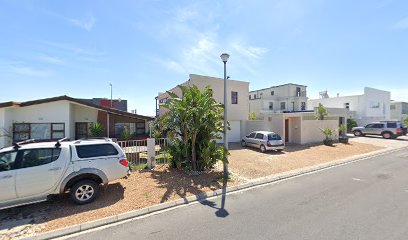
For a concrete example of what to look for, consider a coastal bed and breakfast near Melkbosstrand. Such properties often offer a warm, home-style welcome, sea views, and easy access to late-summer beaches, while still keeping close to the wider Cape Town region for day trips. If you are curious about options along the coast, you can explore dedicated sites and the establishment’s own pages to learn about room types, breakfast menus, and local recommendations.
When it comes to attractions, Cape Town presents a mix of natural beauty, cultural experiences, and gastronomic options. The surrounding region features iconic viewpoints and natural reserves, with opportunities for coastal walks, hiking, and wildlife watching. In the city itself, you’ll find museums, markets, and a wide range of restaurants offering everything from casual bistros to refined dining experiences. For planning, it helps to allocate time for at least one scenic drive along the coast, a visit to a wine estate in the nearby valleys, and a day exploring a favourite neighbourhood with a food-focused itinerary.
For readers considering a stay in South Africa’s Western Cape, a well-chosen base in Cape Town can shape a memorable visit. From charming B&Bs to modern self-catering flats, the emphasis remains on comfortable spaces, thoughtful hosts, and convenient access to both city life and natural splendour. Your chosen accommodation can become the hub for day trips to winelands, mountains, and beaches, with plenty of dining options and experiences to enrich your itinerary. For more information about specific properties, including those with a coastal character near Melkbosstrand, you can visit the property’s official website to learn about rooms, breakfast offerings, and guest services.
Website reference: The Sandcastle Bed & Breakfast – Melkbosstrand