Accommodation and Attractions in Cape Town: Planning a Stay that Brings the City to Life
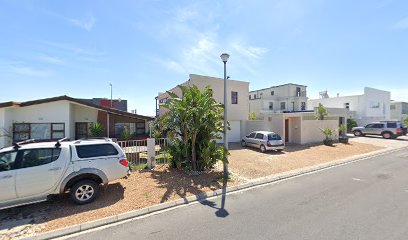
Cape Town combines dramatic natural scenery with a rich mix of neighbourhoods, making it easy to tailor a stay to personal pace and interests. When choosing accommodation, consider not only comfort and price but also the feel of the surrounding area, access to transport, and how evenings unfold after a day of sightseeing. A guest house such as Melkbosch Guest House offers a homely base with thoughtfully designed rooms, warm hospitality, and convenient links to coastal and leafy inland routes. Visit their website at the appropriate venue page to learn more about what they offer and how they fit into a broader Cape Town itinerary.
Areas to consider for your stay vary by vibe and conveniences. The City Bowl transports visitors to the heart of downtown life, with easy access to museums, galleries, and a lively dining scene. The Atlantic Seaboard, including Camps Bay and Clifton, delivers famous sunsets, sandy beaches, and stylish eateries. Greenpoint and De Waterkant provide a cosmopolitan mix of boutique hotels and guest houses within easy reach of the V&A Waterfront and the stadium precinct. For a more relaxed, family-friendly setting, Constantia and the southern suburbs offer leafy streets, renowned wine estates, and driveable routes to the southern coastline. If you prefer a quieter coastal residence with a true Cape feel, smaller villages along the coast can provide a slower rhythm without sacrificing proximity to major sights.
Typical accommodation features to look for include a well‑presented, secure space with clean en‑suite facilities, reliable Wi‑Fi, and a comfortable lounge or breakfast area. Guests often value on‑site parking, a flexible self‑check‑in option, and hosts who can share insider tips about local routes and seasonal highlights. Breakfasts are a standout if you enjoy starting the day with fresh coffee, fruit, and a homemade touch; many guest houses in Cape Town offer continental or full English options, sometimes with regional twists. For longer stays, consider properties that offer self‑catering facilities or convenient access to supermarkets, allowing you to balance cooked breakfasts with the freedom to explore the city late into the evening.
Transport in Cape Town is a practical consideration. The city is navigable by a combination of car, ride‑share, and some well‑connected public transport routes. If you plan to explore beyond the immediate area, staying near a major road network or in a hub with easy taxi access can save time. For guests who favour walking or a scenic approach, choosing a central base with a short drive to Table Mountain Cableway or the V&A Waterfront can maximise sightseeing opportunities while keeping evenings relaxed. If you rent a car, check parking provisions and whether your host’s property includes secure on‑site spaces or nearby options.
Best time to visit Cape Town depends on preferences for sunshine, sea, and crowd levels. Summer (November to February) brings long days, warm seas, and bustling outdoor life, ideal for beach days and outdoor markets. Autumn (March to May) tends to be mild and terraced with fewer crowds, a pleasant window for wine estates and coastal walks. Winter (June to August) remains accessible for gourmet dining, museums, and sheltered sights, though sea swims are bracing. Spring (September to October) offers a bloom of colour and a comfortable climate for hiking and excursions. Pack layers, a light waterproof, and SPF year‑round, as UV levels can be strong even when skies appear overcast.
When planning activities, balance iconic experiences with slower discoveries. Iconic highlights include the iconic mountain backdrop and viewpoints, remarkable coastal scenery, and accessible coastal paths that reveal marine life and birdlife. For a broader sense of the region, consider a day trip to the nearby Winelands, where historic towns and prominent estates offer tastings and cellar tours. Hiking routes around Table Mountain and Lion’s Head can be rewarding for fitness levels, and many routes vary in difficulty. Boat trips to Robben Island offer historical insight and views of the harbour, while a visit to Kirstenbosch National Botanical Garden provides tranquil spaces among indigenous flora. At the waterfront, one can experience broad dining options, views of the harbour, and an array of boutique shops without venturing far from your hotel or guest house.
Food and drink are central to the Cape Town experience. Cape Town’s dining scene ranges from casual cafés to high‑end eateries, many with sea views or terrace seating. You’ll find markets and street food that celebrate local produce alongside restaurants offering modern twists on regional favourites. For a balanced plan, you might reserve a couple of dates for restaurant discoveries in different districts and leave remaining meals to explore neighborhood cafés, bakeries, and farmers’ markets. If you’re visiting wine country, allow time for a dedicated day trip to the Constantia or Stellenbosch areas, where scenery pairs with cellar doors and well‑rounded pairings.
- Book a centrally located base with easy access to both city sights and coastal drives
- Check for on‑site parking or easy transport links, and consider self‑catering options for flexible meal plans
- Plan a mix of indoor and outdoor activities to suit weather and crowds
- Allocate time for iconic sights, plus a few slower days to enjoy beaches, parks, and markets
- Review cancellation policies and guest reviews to gauge consistency in service and safety
- Keep a light itinerary but stay open to serendipitous discoveries in neighbourhoods
In summary, Cape Town rewards thoughtful planning: a well‑chosen base, a mix of local experiences, and a flexible schedule that balances the must‑see attractions with time to soak up the city’s atmosphere. Whether you stay in a guest house with personalised hospitality, a stylish apartment on the Atlantic Seaboard, or a family‑friendly lodge near Cape Town’s wine routes, you’ll find that the city’s combination of scenery, culture, and cuisine makes for a memorable stay. For inspiration on accommodations that align with these ideas, explore options such as Melkbosch Guest House and similar properties, ensuring you’re well placed to enjoy both the famous sights and the hidden gems Cape Town has to offer. Website links to accommodation providers can guide you to practical details, availability, and guest reviews to help you plan with confidence.