Accommodation in Cape Town: Where to stay and how to plan a memorable visit
Cape Town, with its dramatic coastline, colourful neighbourhoods and stunning mountain scenery, offers a wide range of places to lay your head after a day exploring the Mother City. From elegant boutique stays in the city bowl to beachside guesthouses along the Atlantic Seaboard and self-catering options in nearby towns, there is something to suit every traveller and every budget. When planning a stay, think about what you want from your surroundings, access to transport, and the pace of your days.
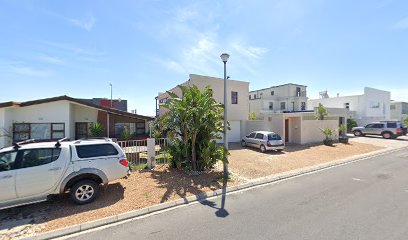
Areas to consider include the city centre and the trendy urban hubs, where stylish B&Bs and small hotels put you within easy reach of museums, dining and nightlife. The Atlantic Seaboard areas offer a blend of spectacular sea views, modern apartments and guesthouses, with quick access to beaches and scenic drives. For a more relaxed, rural feel, the southern suburbs and Constantia Valley provide leafy streets, vineyards and hilltop guesthouses. If a longer stay or a coastal escape appeals, towns along the Atlantic coast, including Melkbosstrand, provide self-catering and backpacker-friendly options that suit independent travellers or families seeking flexibility.
When choosing accommodation, consider a few practical factors. Proximity to Table Mountain cableway or nature reserves can save time on busy days. Proximity to convenient transport routes, such as main roads or bus routes, helps especially if you are not hiring a car. For those who prefer not to self-drive, look for hosts who can offer arrival guidance, airport transfers, or reliable local shuttle options. If you plan to explore on foot, a central location with safe neighbourhoods, well-lit streets at night, and nearby supermarkets or eateries can be a real advantage.
Typical amenities in Cape Town’s accommodation range from fully equipped kitchens and private balconies to Wi‑Fi, secure parking and daily housekeeping. Self-catering properties are common and particularly suited to families or groups who want flexibility with meals and time. Boutique guesthouses often feature personalised service, with breakfast on offer and a chance to discuss local recommendations with hosts. For longer stays, many places now provide washer-dryers, workspaces, and flexible check-in to accommodate travellers arriving at different times.
Booking through reputable platforms or directly with the property can yield better-aligned options for your trip. Read recent guest reviews to gauge consistency in cleanliness, quietness, and responsiveness. Check details about included facilities—such as secure parking, remote access, and kitchen equipment—and confirm exact bed configurations to avoid surprises. If a property is part of a small guesthouse, ask whether breakfast is provided, and whether there are communal spaces for socialising or cooking. Always verify cancellation terms in case plans change, especially during peak travel periods when demand is high.
Transport is a key planning consideration in Cape Town. The city has a network of MyCiTi buses and other public transport options, but a car is often convenient, especially if you plan to explore beyond the city centre, such as the Cape Peninsula or Constantia wine route. For those preferring to rely on organised tours or Uber-style ride services, check whether your accommodation is in a well‑served area or if transfers need to be arranged in advance. In rough terms, distances in Cape Town can be deceptive; a short-seeming journey can take longer during peak traffic, particularly around the city centre and along coastal routes during busy weekends.
Best time to visit Cape Town varies with interests. The peak season runs from late spring to early autumn (roughly September to April), when the weather is mild and sunny, ideal for outdoor activities, beaches, and hiking. If you are seeking lower prices and fewer crowds, the shoulder seasons can offer good value, with still-beautiful conditions for sightseeing and wine-country outings. Winter (May to August) is cooler and wetter, but many indoor attractions, museums and galleries remain open, and the city takes on a different, atmospheric character.
Within your stay, plan a mix of iconic sights and more relaxed experiences. Visitors commonly combine a cable-car or hiking excursion up a neighbouring peak with time spent exploring the V&A Waterfront, the chemistry of the Bo-Kaap’s colourful streets, and world-class restaurant scenes that focus on fresh seafood, Cape Malay flavours and modern South African cuisine. For day trips, the Cape Peninsula and Cape Point offer dramatic coastal scenery, while the Constantia and Franschhoek regions provide tranquil vineyard experiences just beyond the city limits. If you enjoy nature and birdlife, the nearby nature reserves and beaches around the Atlantic coast are ideal for gentle walks at dawn or dusk.
Where to stay in a few popular categories:
- Township-adjacent or city-centre guesthouses for immersion in urban life, good proximity to museums, cafés and nightlife.
- Atlantic Seaboard self-catering apartments or boutique hotels with sea views, easy beach access, and modern amenities.
- Wine-country lodges and guesthouses within a short drive of Constantia or Paarl, ideal for day trips and vineyard picnics.
- Coastal towns such as Melkbosstrand offering self-catering and backpacker-friendly options, suited to longer stays or road trips along the coast.
Practical tips for a smooth stay include packing a light layer for cooler coastal evenings, keeping a flexible plan to account for changing weather, and confirming late arrival arrangements if your flight lands late. Bring a reusable water bottle and rehearse a few local phrases to ease interactions with hosts and staff. For a fuller experience, consult local visitor information sites for seasonal events, farmers’ markets, and hidden gems beyond the usual highlights. With thoughtful planning, Cape Town’s varied accommodation landscape can become the foundation for an unforgettable blend of relaxation, exploration and culinary discovery. For ideas and practical planning resources, you can start with the official regional tourism website or trusted travel guides online.